


28 July 2026
No Comments
iHuman assignment
iHuman William Garrett 50 year old abdominal pain answers
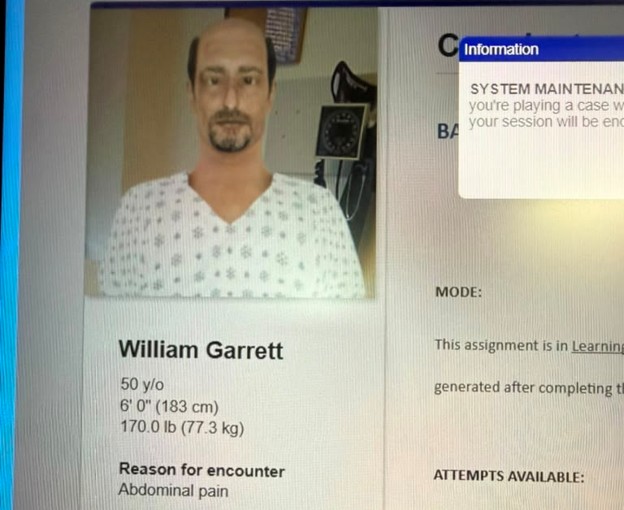
iHuman William Garrett
50 y/o 6’0” (183 cm) 170.0 lb (77.3 kg)
Reason for encounter: abdominal pain
iHuman William Garrett 50 year old abdominal pain answers history questions
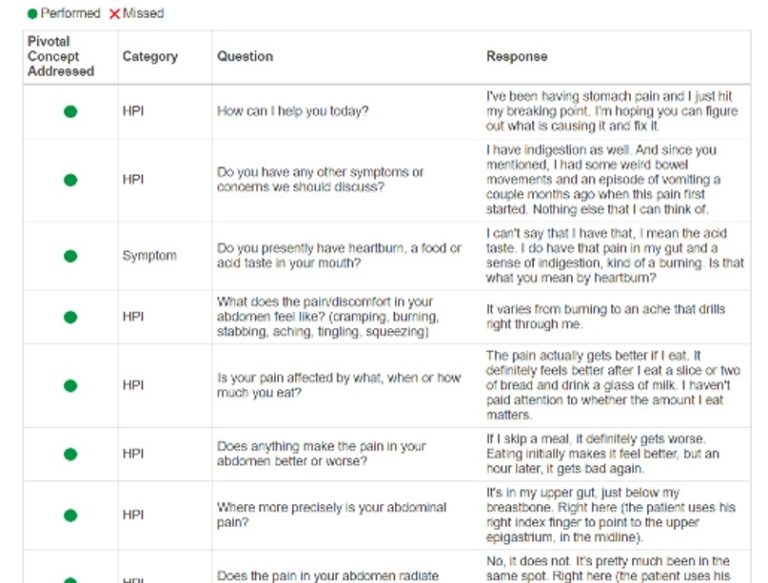
- How can I help you today?
- Do you have any other symptoms or concerns we should discuss?
- Do you presently have heartburn, a food or acid taste in your mouth?
- What does the pain/discomfort in your abdomen feel like? (cramping, burning, stabbing, aching, tingling, squeezing)
- Is your pain affected by what, when or how much you eat?
- Does anything make the pain in your abdomen better or worse?
- Where more precisely is your abdominal pain?
- Does the pain in your abdomen radiate someplace else? Where?
- Do you….
Physical Exams Required
- Weight
- Height
- cognitive status
- SpO2
- temperature
- blood pressure
- pulse
- respiration
- temperature
- auscultate heart
- auscultate lungs
- assess …….
iHuman William Garrett 50-Year-Old Abdominal Pain Answers & Case Study Guide
Navigating complex virtual patient encounters in nursing and medical programs can be challenging, especially when evaluating intricate gastrointestinal presentations. The iHuman William Garrett 50-year-old abdominal pain case study is a classic clinical simulation designed to test your diagnostic reasoning, data gathering, and patient management skills.
Whether you are working through history taking, analyzing physical examination findings, or developing an evidence-based management plan, understanding the underlying framework of this case is essential for achieving a top score on your iHuman assessment.
Below is an overview of the case, detailing what you need to know to systematically approach William Garrett’s clinical picture.
Patient Overview & Chief Complaint
William Garrett is a 50-year-old male who presents to an outpatient clinic complaining of persistent upper abdominal pain. He reports that the discomfort has been ongoing for several weeks to months and has finally reached a point where he needs professional intervention.
When evaluating a middle-aged patient presenting with epigastric discomfort, clinical learners must analyze not only the primary symptom characteristics but also the systemic context, including past medical history, lifestyle factors, and over-the-counter medication use.
Strategic History Questions: Uncovering Key Risk Factors
Mastering the history-taking portion of this iHuman module requires asking targeted, high-yield questions rather than broad, scattered inquiries. To build a solid clinical foundation for Mr. Garrett, your history questions should focus on several critical domains:
Symptom Characterization (OLDCARTS): Exploring the exact onset, location, severity, and timing of his stomach pain, as well as whether the discomfort is aggravated or relieved by food intake or antacids.
Gastrointestinal Bleeding Red Flags: Screening for prior or current upper and lower GI bleeding manifestations, such as altered emesis or dark, tarry stools.
Medication History: Identifying over-the-counter pain relievers, daily cardiovascular risk-reduction medications, and antacid utilization.
Social & Lifestyle Habits: Documenting tobacco pack-years, weekly alcohol intake, work-related stress, and dietary patterns.
Review of Systems (ROS): Conducting a broad ROS to rule out cardiopulmonary involvement, systemic signs like fever or inadvertent weight loss, and secondary organ system complaints.
Asking the right questions in iHuman directly impacts your diagnostic performance score. For a comprehensive walkthrough of the complete interview transcript and feedback, check out the full iHuman William Garrett 50-year-old abdominal pain answers guide.
Objective Assessment: Essential Physical Examination Findings
Once you gather the subjective data, the next critical phase in the virtual encounter is conducting a thorough physical examination. The physical exam for a 50-year-old presenting with epigastric distress should be systematic and well-documented.
Key examination areas to prioritize include:
Vital Signs & General Appearance: Evaluating hemodynamic stability, distress level, and constitutional parameters.
Abdominal Examination: Performing visual inspection, auscultating bowel sounds across all quadrants, and conducting light and deep palpation to localize tenderness (e.g., epigastric vs. lower quadrants) while checking for peritoneal signs like guarding or rigidity.
Cardiopulmonary Assessment: Confirming clear lung fields and regular cardiac rate/rhythm to rule out non-GI etiologies of upper abdominal pain.
Integumentary & Peripheral Assessment: Checking skin turgor, mucosal moistness, peripheral perfusion, and evaluating for signs of pallor, jaundice, or peripheral edema.
Documenting objective physical findings with precise medical terminology—avoiding vague descriptors—is vital for constructing an accurate electronic health record (EHR) entry within iHuman.
Formulating the Differential Diagnosis
Synthesizing subjective and objective evidence allows you to formulate and rank a prioritized differential diagnosis. In patients like William Garrett, who present with localized upper GI symptoms, chronic NSAID/aspirin exposure, and smoking history, several potential conditions must be considered. Correctly organizing your differential diagnosis from most likely to least likely ensures you select the correct diagnostic workup in the platform.
Developing a Comprehensive Management Plan
The final stage of the virtual patient encounter is building an evidence-based management plan supported by current clinical guidelines. A complete management strategy covers six core pillars:
Diagnostic Testing: Selecting appropriate non-invasive laboratory tests alongside outpatient endoscopic evaluations.
Pharmacologic Interventions: Prescribing evidence-based acid suppression (such as PPIs), targeted antimicrobial eradication therapy if indicated, and adjusting ulcerogenic pain medications.
Specialist Consults & Referrals: Coordinating outpatient follow-up and behavioral support for risk reduction.
Patient Education: Advising on strict medication timing, dietary modifications, alcohol moderation, and avoiding OTC NSAIDs.
Follow-Up & Safety Netting: Establishing clear return intervals and educating the patient on critical warning symptoms that require emergency medical care.
Get Expert Assistance for Your iHuman Assignments
Struggling to achieve a 100% score on your William Garrett case study? You don’t have to navigate virtual clinical simulations alone. Whether you need exact history feedback, correct physical exam selections, optimal diagnostic test ordering, or a fully written APA-formatted treatment plan, expert help is available.
Visit iHuman Tutor today or place an order for the full iHuman William Garrett 50-year-old abdominal pain answers package to boost your clinical confidence and secure the top grade on your assignment!