


20 April 2026
No Comments
iHuman assignment
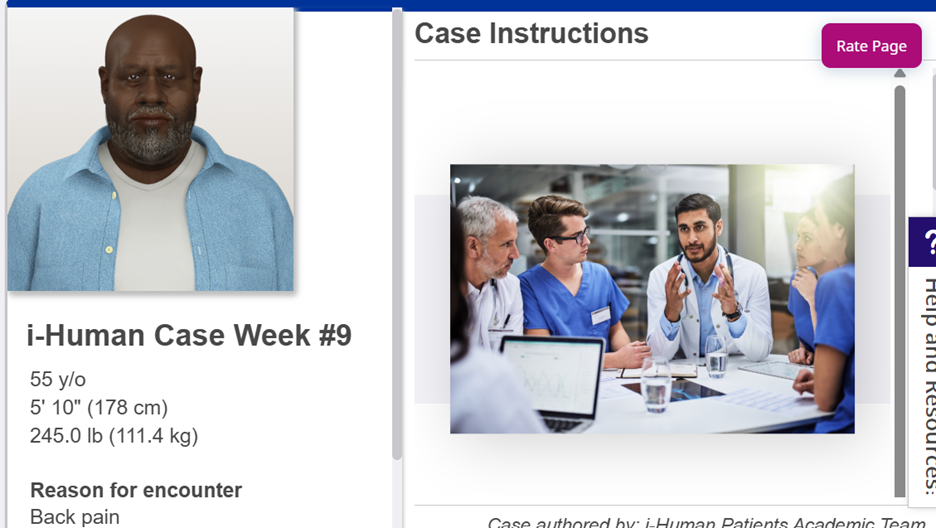
i-Human Case Week #9
Comprehensive Head-to-toe
55 y/o
5′ 10″ (178 cm)
245.0 lb (111.4 kg)
Reason for encounter
Back pain
Location: Outpatient clinic with X-ray, ECG, and laboratory capabilities
i-Human Case Week #9 Reason for encounter: Back pain
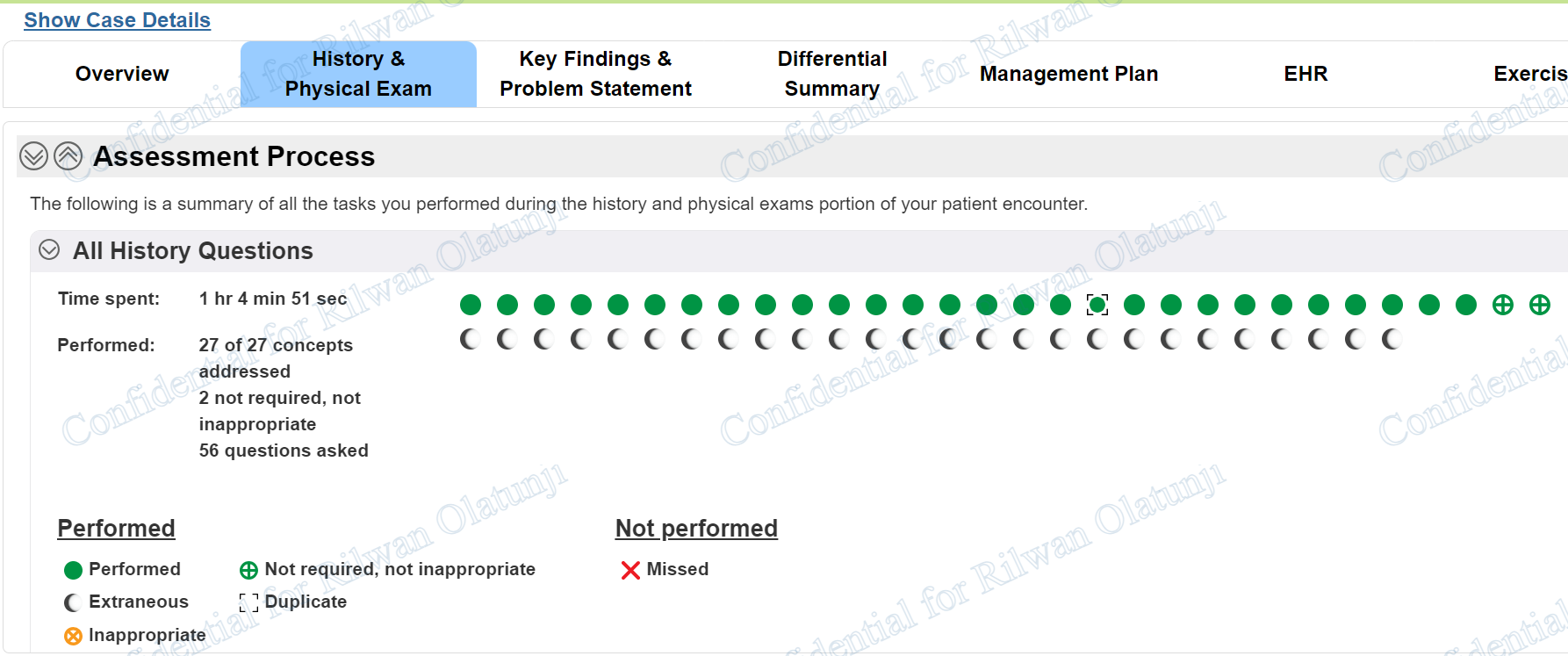
History Questions
- How can I help you today?
- Do you have any other symptoms or concerns we should discuss?
- Do you have any allergies?
- What are the events surrounding the start of your back pain?
- When did the pain in your back start?
- How severe (1–10 scale) is the pain in your back?
- What does the pain in your back feel like?
- Where more precisely is the pain in your back?
- How long does your back pain last?
- Does the pain in your back come and go?
- Does anything make the pain in your back better or worse?
- What treatments have you had for the pain in your back?
- Have you had any significant traumatic injuries or accidents?
- ……..
i-Human Case Week #9 Reason for encounter: Back pain
Physical Exams Required
- Weight
- Height
- cognitive status
- SpO2
- temperature
- blood pressure
- pulse
- respiration
- temperature
- auscultate heart
- auscultate lungs
- assess stance and …….
This Week 9 NR6512 iHuman case focuses on a 55 year old male presenting with back pain, requiring a comprehensive head-to-toe assessment and strong clinical reasoning. If you are preparing for your assignment, this case highlights how important it is to connect history questions, physical exams, and management plan decisions to arrive at the correct diagnosis.
The patient presents with worsening lower back pain after a lifting injury, but key findings go beyond a simple strain. Through targeted history questions, you uncover red flag symptoms such as bilateral leg tingling, weakness, and urinary retention. These findings immediately shift your thinking toward a neurologic emergency rather than a musculoskeletal issue.
During the physical exams, detailed neurologic assessment is critical. Findings such as decreased lower extremity strength, diminished reflexes, saddle anesthesia, and reduced sphincter tone strongly point toward cauda equina involvement. A full comprehensive head-to-toe exam ensures that no associated systemic findings are missed and supports accurate clinical judgment.
Diagnostic testing, especially MRI, confirms the suspicion of nerve root compression. This is where many students lose points—failing to connect imaging results with clinical presentation. The correct interpretation leads directly into an urgent management plan, which includes immediate neurosurgical referral, pain control, and supportive care.
Understanding how to structure your iHuman answers is key to success. You must clearly link subjective complaints, objective findings, and diagnostic results. For a full breakdown of this case, including step-by-step guidance and correct documentation, visit the detailed case page here:
https://ihumantutor.com/ihuman-week-9-back-pain-55-years-old-answers-comprehensive-head-to-toe/
For more help with similar cases and high-quality study resources, explore the main site:
www.ihumantutor.com
Mastering cases like this will improve your confidence in handling complex back pain scenarios and sharpen your clinical decision-making skills.