


18 May 2026
No Comments
iHuman assignment
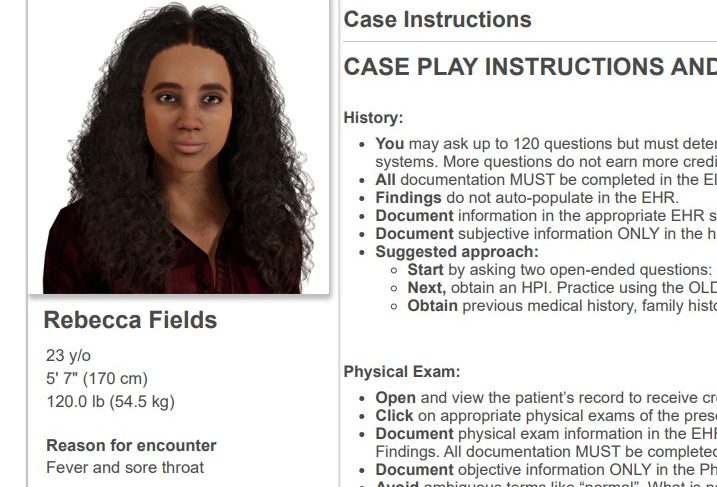
Rebecca Fields iHuman Fever and sore throat
23 y/o
5′ 7″ (170 cm)
120.0 lb (54.5 kg)
i-Human Case Rebecca Fields
Fever and sore throat
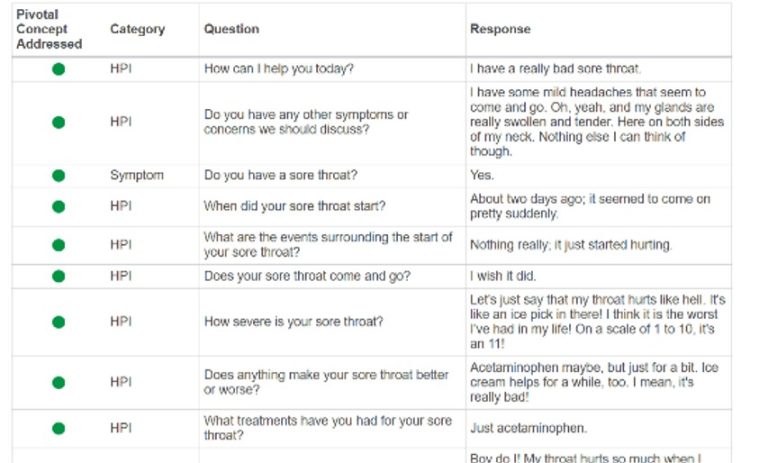
History Questions
- How can I help you today?
- Do you have any other symptoms or concerns we should discuss?
- Do you have a sore throat?
- When did your sore throat start?
- What are the events surrounding the start of your sore throat?
- Does your sore throat come and go?
- How severe is your sore throat?
- Does anything make your sore throat better or worse?
- What treatments have you had for your sore throat?
- ……..
i-Human Rebecca Fields fever and sore throat
Physical Exams Required
- Weight
- Height
- cognitive status
- SpO2
- temperature
- blood pressure
- pulse
- respiration
- temperature
- auscultate heart
- auscultate lungs
- …….
iHuman Rebecca Fields, 23 Year Old, fever and sore throat
Mastering clinical simulations requires a structured approach to patient assessment. In this iHuman simulation, we evaluate Rebecca Fields, a 23 year old female law student presenting with an acute onset of fever and sore throat. This case summary provides the essential clinical reasoning needed to navigate the history questions, physical examination, and management plan sections of the simulation effectively.
For comprehensive clinical guidance and detailed walkthroughs, visit iHumanTutor.com. You can find the specific breakdown for this scenario at iHuman Rebecca Fields 23 Year Old Fever and Sore Throat Answers.
High-Yield History Questions
The history questions for Rebecca Fields are designed to differentiate between viral and bacterial causes of pharyngitis. The patient reports a sudden onset of symptoms (two days duration) with a pain severity of 11/10. Key pertinent positives include significant odynophagia (painful swallowing), chills, and malaise. Crucially, a major pertinent negative is the lack of cough, which is a primary clinical indicator in standardized scoring systems for throat infections.
Onset: Sudden, 48 hours ago.
Provocation: Swallowing (both solids and liquids).
Exposure: Positive sick contact (roommate).
Objective Findings: The Physical Examination
A detailed physical examination is critical for validating clinical suspicions. Rebecca’s vital signs are notable for a fever of 101.5°F. During the HEENT inspection, the examination reveals pharyngeal erythema, tonsillar exudates, and lymphadenopathy. :
Pharyngeal Erythema: Significant redness across the posterior pharynx.
Tonsillar Exudates: Bilateral, prominent white-yellow patches.
Lymphadenopathy
The absence of hepatosplenomegaly and a midline uvula are important findings to rule out more complex pathologies such as infectious mononucleosis complications or peritonsillar abscesses.
Clinical Management Plan
The management plan for Rebecca involves both pharmacologic and supportive care. First-line antibiotic therapy is often initiated due to high clinical probability based on standardized criteria, such as a high Centor score. Pain management is prioritized using NSAIDs, which address the inflammatory nature of the pharyngeal pain more effectively than acetaminophen alone.
Patient Education & Follow-Up
Rebecca is educated on the importance of antibiotic adherence to prevent long-term complications such as rheumatic fever. She is advised to isolate for 24 hours post-antibiotic initiation to prevent community spread. Red flags requiring an immediate return include drooling, difficulty breathing, or the inability to open the mouth fully (trismus).
Additional iHuman Resources
For more nursing case studies and expert clinical guidance, visit our main hub at iHumanTutor.com. Whether you are looking for specific answers or comprehensive study guides, our platform supports your journey toward clinical excellence.