


27 June 2026
No Comments
iHuman assignment
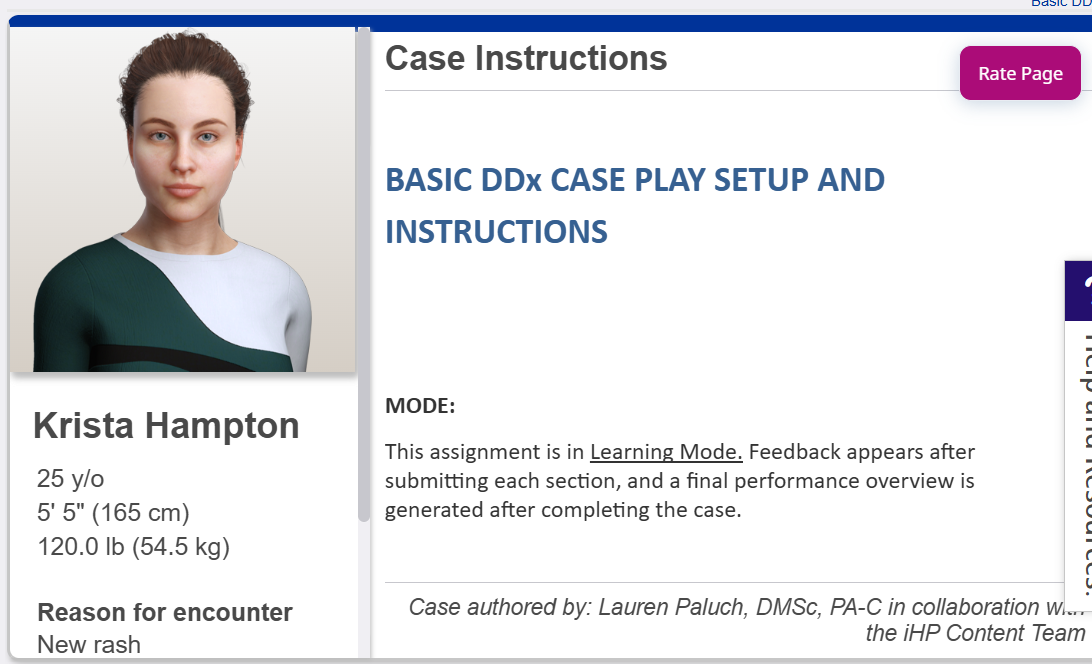
iHuman Krista Hampton 25 y/o New rash answers
25 y/o
5′ 5″ (165 cm)
120.0 lb (54.5 kg)
Reason for encounter
New rash
iHuman Krista Hampton Kaylee Hales 25 y/o New rash answers
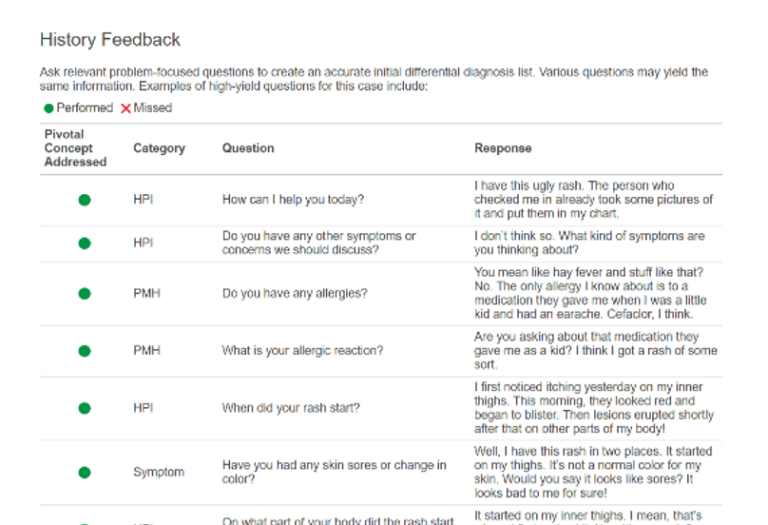
History Questions
- How can I help you today?
- Do you have any other symptoms or concerns we should discuss
- When did your rash start
- What are the events surrounding the start of your rash
- Does your rash come and go
- On what part of your body did the rash start and where did it spread
- What treatments have you had for your rash
- Does anything make your rash better or worse
- Can you tell me about any current or past medical problems you have had
- …..
iHuman Krista Hampton Kaylee Hales 25 y/o New rash answers
Physical Exams Required
- Weight
- Height
- cognitive status
- SpO2
- temperature
- blood pressure
- pulse
- respiration
- temperature
- auscultate heart
- auscultate lungs
- …….
Navigating virtual patient simulations can sometimes feel like solving a complex medical mystery. One of the most engaging scenarios currently challenging students is the iHuman case of Krista Hampton, a 25 year old schoolteacher who presents to an outpatient clinic with a sudden, highly distressing new rash.
When tackling this specific iHuman encounter, students must carefully separate the true clinical clinical indicators from a web of clever environmental red herrings. Below, we break down the critical strategic steps—from mastering the initial history questions to structuring an unassailable differential diagnosis and management plan—needed to achieve top tier performance scores.
Mastering the iHuman Case History Questions
The foundation of any successful clinical simulation rests on asking the right questions. In this scenario, the patient presents with an intensely itchy, uncomfortable eruption localized to her inner thighs and one forearm that began roughly 48 hours ago.
To score highly on your subjective assessment, your history questions must meticulously explore the timeline and lifestyle factors surrounding the symptom onset. The patient recently returned from a weekend getaway in Napa, California, which provides a rich matrix of potential exposures. Your interview strategy needs to investigate every single variable: a backcountry hike off the main trail, a relaxing soak in a resort hot tub, the application of an unfamiliar brand of oily sunscreen, and even the first-time ingestion of seafood during a special dinner.
By systematically ruling out systemic symptoms like fever, chills, or respiratory distress, and noting that her partner remains completely unaffected, you lay the crucial groundwork for the upcoming physical assessment.
Evaluating the Physical Examination
Once the subjective data is collected, the simulation shifts focus to objective clinical evidence. In this module, the physical examination requires a precise, methodical approach, ensuring you do not skip vital body systems while paying extra attention to the integumentary documentation.
A successful workflow means verifying that the patient is hemodynamically stable and cognitively intact before performing an exhaustive head-to-toe inspection. When documenting the skin findings, accuracy in medical terminology is vital. Pay close attention to the spatial distribution, morphology, and linear or confluent arrangements of the papules and fluid-filled vesicles on the extremities. Identifying these specific visual patterns within the case chart is the ultimate key to bridging the gap between what the patient tells you and your final diagnostic hypothesis.
If you are looking for a step-by-step roadmap to perfect your subjective and objective documentation for this specific simulation, you can access the full iHuman Krista Hampton 25 y/o new rash answers online.
Navigating the Differential Diagnosis Matrix
The real test in this clinical simulation is synthesizing the data to build a solid differential diagnosis. The case is masterfully written to tempt students into secondary diagnostic traps.
For instance, the mention of a hot tub naturally forces clinicians to consider bacterial folliculitis, while a first-time exposure to scallops raises immediate flags for IgE-mediated food allergies or acute urticaria. Even the boyfriend’s oily sunscreen must be weighed as a potential irritant source.
Your role is to evaluate the exact timeline of a delayed hypersensitivity response against the localized, asymmetric presentation of the lesions. Resolving these conflicting clues is exactly what makes this particular patient encounter such an excellent teaching tool for future nurse practitioners and medical students.
Formulating an Evidence-Based Management Plan
The final phase of the simulation requires establishing a comprehensive, safe, and effective management plan. Because the eruption is regional rather than generalized, a cost-effective topical therapeutic approach is favored over systemic interventions, drastically minimizing the risk of adverse systemic side effects.
Your final submission must outline clear primary prescriptions, detailed supportive skin care protocols, and structured patient education regarding allergen recognition and proper fabric decontamination. Furthermore, a bulletproof safety plan must define an exact follow-up window alongside critical “red flag” symptoms that would require immediate emergency evaluation.
Optimize Your Clinical Simulation Performance
Succeeding in advanced health assessment simulations takes practice, clinical intuition, and a strong grasp of documentation standards. Whether you are stuck on selecting the right diagnostic tests or want to compare your clinical notes against proven student workflows, accessing expert resources can save you hours of frustration.
For comprehensive assistance with this simulation and a wide variety of other clinical modules, visit iHuman Tutor to find verified, high-quality educational study guides and comprehensive case answers designed to help you excel in your healthcare program.