


28 October 2026
No Comments
iHuman assignment
iHuman Ashley Wilson shortness of breath heart failure 60 year old answers
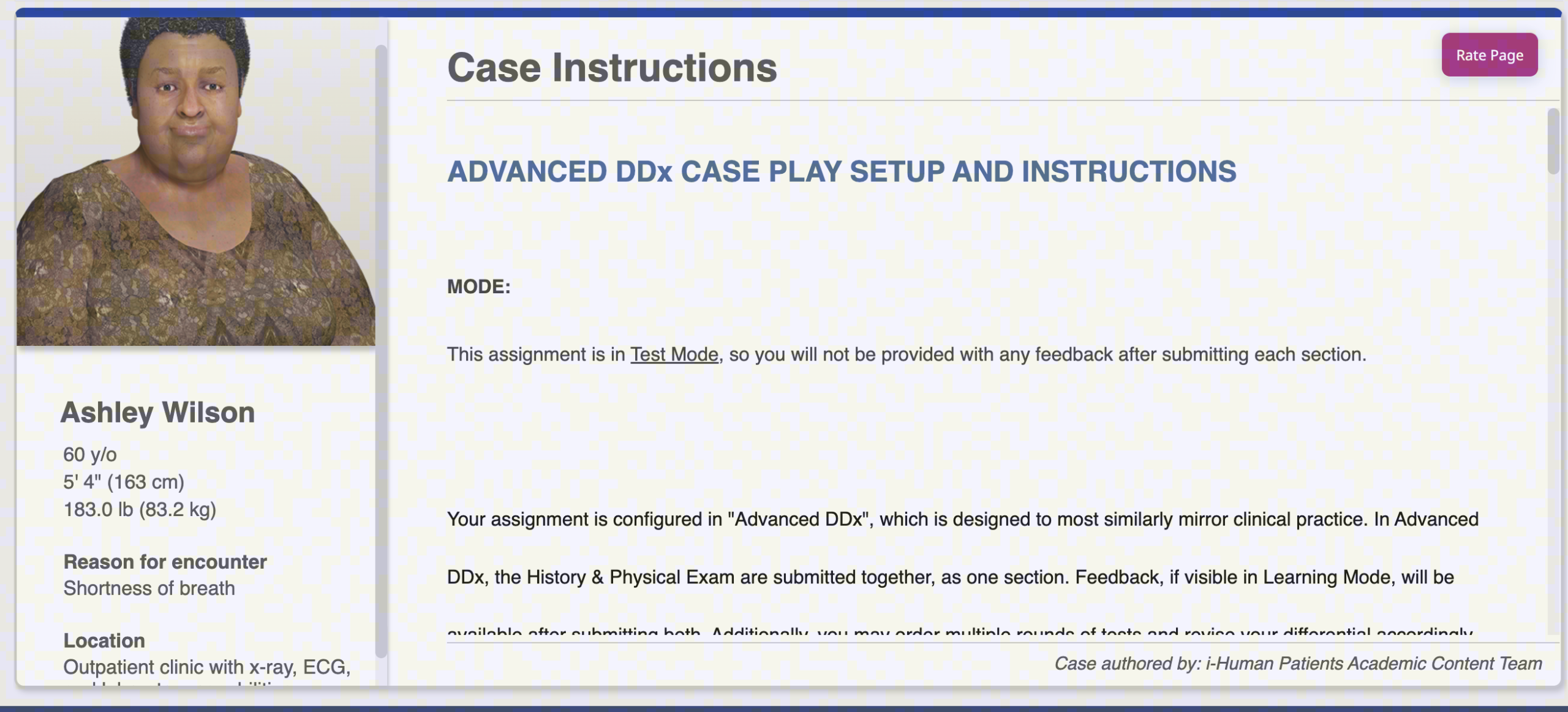
60 y/o
5′ 4″ (163 cm)
183.0 lb (83.2 kg)
Reason for encounter
Shortness of breath
iHuman Ashley Wilson shortness of breath heart failure answers history questions
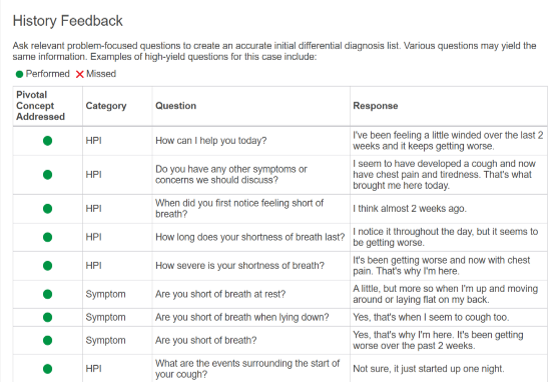
- How can I help you today?
- Do you have any other symptoms or concerns we should discuss?
- Have you been having fevers?
- Do you have night sweats?
- Do you wheeze?
- Are you short of breath?
- When did you first notice feeling short of breath?
- How long does your shortness of breath last?
- What are the events surrounding the start of your shortness of breath?
- Does your shortness of breath come and go?
- Does anything make your shortness of breath better or worse?
- Are you short of breath when lying down?
- Are you short of breath at rest?
- How severe is your shortness of breath?
- Do you awaken at night short of breath?
- What treatments have you tried for your shortness of breath?
- Are you………
iHuman Ashley Wilson shortness of breath 60 year old ihuman physical exams required
- Weight
- Height
- cognitive status
- SpO2
- temperature
- blood pressure
- pulse
- respiration
- temperature
- auscultate heart
- auscultate lungs
- assess …….
Ashley Wilson iHuman Case Study: Mastering the Shortness of Breath Encounter
Shortness of breath is one of the most common and most challenging complaints in primary care, and the Ashley Wilson iHuman case shows why. Nurse practitioner students meet a patient whose symptoms seem routine at first. Underneath, the presentation requires careful clinical reasoning, sharp history taking, and a well-justified management plan. If you are working through this simulation, this overview explains what the case tests and how to prepare, without spoiling the answers.
Who Is Ashley Wilson?
Ashley Wilson is a 60-year-old woman who comes to the clinic with shortness of breath that has gradually worsened over about two weeks. She also has several associated complaints, and together they suggest something more than a simple respiratory problem. Her medical, social, and family history add important context, and recognizing that context is where many students either earn or lose points.
The case is usually assigned in advanced health assessment and adult primary care courses. Students must move past the obvious complaint and think about which body systems could be involved. If you are new to the platform, our iHuman case support services can help you understand how scoring works before you begin.
Why the Shortness of Breath Complaint Is So Challenging
Dyspnea in an older adult can come from cardiac, pulmonary, hematologic, metabolic, or even psychological causes. That is exactly why iHuman uses a case like this one: it tests whether a student can build a broad differential and then narrow it logically. Asking about breathing alone will not be enough. Students need to explore timing, triggers, positional changes, associated symptoms, and how the problem is affecting daily life.
Many students lose points by stopping their inquiry too early or by anchoring on a single explanation. The Ashley Wilson case rewards thoroughness and penalizes premature closure.
Approaching the History Questions
The history section is where the iHuman platform scores most heavily, and this case contains many high-yield history questions. To capture an accurate picture, students need to cover:
- A structured symptom analysis (OLDCARTS)
- Pertinent review of systems inquiries
- Past medical history and medications
- Lifestyle and social factors
- Family history
Communication matters too. iHuman evaluates whether you elicit the patient’s own perspective and show empathy during the interview. Missing a few key questions can change your entire differential. Our expert iHuman tutors have mapped out the questions that consistently earn credit in this case.
What to Expect in the Physical Examination
The physical examination in the Ashley Wilson case is focused but detailed. Students must choose exam components that make sense for a patient with shortness of breath. Vital signs, cardiovascular assessment, and respiratory assessment all deserve careful attention, and peripheral findings should not be overlooked.
iHuman also expects you to document your findings with objective, measurable language. Vague terms like “normal” or “abnormal” often cost points in instructor grading. Learning to write professional exam documentation is a skill that carries well beyond this one assignment. See how we help students build EHR-ready documentation that meets faculty expectations.
Building the Differential Diagnosis
The differential diagnosis is the heart of this case. Several serious conditions can cause a 60-year-old to become progressively short of breath, and some of them need urgent recognition. Students are expected to rank their differentials and support each one with specific findings from the history and exam.
In iHuman, the reasoning behind your ranking matters as much as the ranking itself. Ashley Wilson’s risk factors, symptom pattern, and exam findings should all inform how you order your list. Getting the leading diagnosis right while also justifying the alternatives you ruled out is what separates a passing score from an excellent one.
Diagnostic Testing Considerations
Choosing the right tests is another scored component. The case asks students to show restraint and prioritize the tests that would actually change management, rather than ordering everything available. Interpreting the results correctly, and explaining how they support or weaken each differential, is essential to a strong submission.
Developing the Management Plan
The management plan for the Ashley Wilson iHuman case requires students to think like practicing providers. Key questions include:
- What level of care does this patient need?
- What should happen immediately?
- Which referrals are appropriate?
- What education does the patient need?
A complete plan also covers follow-up timing and the red-flag symptoms that should prompt the patient to return. Faculty often expect evidence-based rationale with current, peer-reviewed APA citations for each part of the plan. This is where many students spend hours, and where our comprehensive iHuman documentation packages save the most time.
Frequently Asked Questions About the Ashley Wilson iHuman Case
What is the Ashley Wilson iHuman case about?
It is a virtual patient simulation featuring a 60-year-old woman with progressively worsening shortness of breath. It is designed to test history taking, physical examination, differential diagnosis, and management planning skills.
Which courses assign this case?
It commonly appears in nurse practitioner advanced health assessment and adult-gerontology or family primary care courses.
Why do students struggle with this case?
The presentation involves several overlapping symptoms and risk factors. Missed history questions or exam components can lead to an incomplete or incorrectly ranked differential diagnosis.
Can I get help with the Ashley Wilson case?
Yes. iHumanTutor provides complete, plagiarism-free EHR documentation and case guidance for this and many other iHuman simulations.
Key Takeaways
- The Ashley Wilson case centers on shortness of breath in an older adult with multiple risk factors.
- High scores depend on thorough history questions and a focused, well-documented physical examination.
- A logically ranked differential diagnosis and an evidence-based management plan are essential.
- Professional, objective documentation strongly influences instructor grading.
Get the Complete Ashley Wilson iHuman Case Solution
Struggling to put all the pieces of this case together? You do not have to guess. Our team delivers fully developed, original documentation for the Ashley Wilson iHuman case, including the case problem statement, key findings, HPI, review of systems, physical examination, ranked differential diagnosis, diagnostic interpretation, and a complete management plan with current APA references.
Order your comprehensive Ashley Wilson case documentation today at iHumanTutor.com and submit your case with confidence.