


27 January 2025
No Comments
iHuman assignment
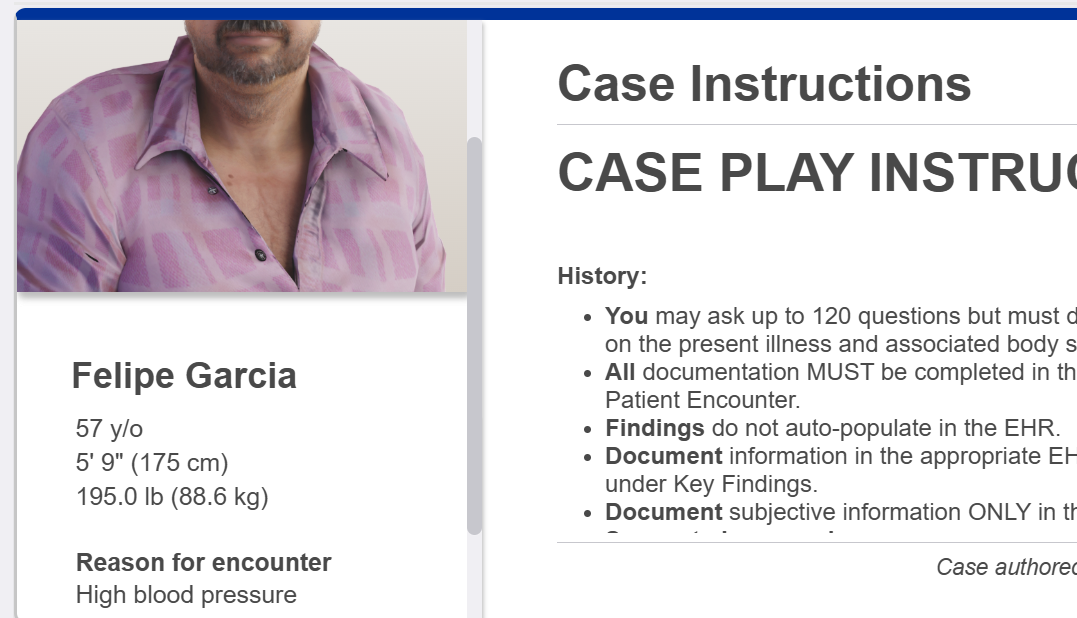
iHuman Anselmo Lopez Felipe Garcia Harvey Hoya Case High Blood pressure
57 y/o
5′ 9″ (175 cm)
195.0 lb (88.6 kg)
Reason for encounter
High blood pressure
Location
Outpatient clinic with x-ray, ECG, and laboratory capabilities
History Questions
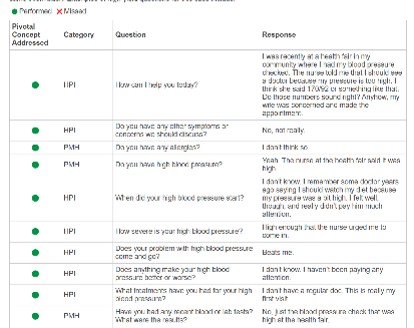
- How can I help you today?
- Do you have any other symptoms or concerns we should discuss?
- Do you have any allergies?
- Do you have high blood pressure?
- When did your high blood pressure start?
- How severe is your high blood pressure?
- Does your problem with high blood pressure come and go?
- Does anything make your high blood pressure better or worse?
- What treatments have you had for your high blood pressure?
- Have you ……
Physical Exams Required
- Weight
- Height
- cognitive status
- SpO2
- temperature
- blood pressure
- pulse
- respiration
- …………….
Chief complaint: High blood pressure
Diagnosis: Hypertension primary (essential)
Navigating Felipe Garcia Clinical Encounters in iHuman: A Deep Dive into High Blood Pressure Evaluation
As advanced practice nursing students, working through virtual clinical simulations requires balancing thorough patient history collection with targeted physical assessment skills. One of the most common and clinically rich scenarios encountered on the iHuman platform involves evaluating asymptomatic cardiovascular presentation in middle-aged adults.
In this comprehensive case overview, we analyze the clinical reasoning behind a simulation featuring Felipe Garcia, a 57 year old male who presents for an outpatient assessment after receiving concerning screening numbers at a local health fair. By examining the structure of a standard clinical encounter, this overview highlights how to efficiently navigate history questions, prioritize physical examination findings, formulate an appropriate differential diagnosis, and construct a holistic management plan.
Patient Overview & Subjective History Intake
When evaluating a patient presenting with incidentally discovered high blood pressure, the initial interview sets the foundation for identifying underlying etiology and assessing cardiovascular risk. In the case of Felipe Garcia, a 57 year old construction worker, the encounter begins with an incidental screening reading of approximately 170/92 mmHg.
A structured approach using mnemonic frameworks like OLDCARTS allows clinicians to systematically organize subjective findings:
Symptom Profile: Assessing whether the patient is experiencing acute symptomatic hypertension (e.g., severe headaches, chest tightness, shortness of breath, visual disturbances, or focal weakness).
Past Medical & Surgical History: Gathering context regarding prior elevated readings, unmanaged metabolic conditions, and previous orthopedic or gastrointestinal history.
Medication & OTC Review: Identifying non-prescription drugs—such as frequent nonsteroidal anti-inflammatory drug (NSAID) use—and over-the-counter gastrointestinal medications that might influence renal hemodynamics or blood pressure control.
Family & Social Factors: Evaluating significant family history regarding premature coronary artery disease, stroke, or familial hypertension, as well as lifestyle factors including active tobacco exposure, dietary sodium habits, and physical activity levels.
For students looking to refine their intake technique and selection of iHuman history questions, focusing on targeted questions that rule out red-flag cardiovascular symptoms while uncovering hidden lifestyle triggers is essential.
Targeted Physical Examination & Assessment Findings
Moving from subjective data to objective assessment, a thorough physical examination is crucial for identifying target organ damage and confirming office baseline measurements.
In primary care simulations, verifying blood pressure bilaterally ensures accurate measurement while ruling out aortic or subclavian vascular anomalies. Furthermore, detailed optic nerve and retinal vessel examination (such as assessing for arteriovenous nicking) provides vital objective evidence regarding the chronicity of vascular pressure changes.
Clinical Reasoning & Differential Diagnosis Considerations
Formulating a working differential diagnosis requires synthesizing risk factors, physical findings, and potential secondary etiologies. When evaluating severe asymptomatic elevations, clinicians consider several potential pathways.
Students seeking step-by-step guidance on constructing accurate clinical rationales can explore complete solutions and verified guides for the Felipe Garcia iHuman case to enhance their diagnostic accuracy.
Constructing an Evidence-Based Management Plan
A comprehensive management plan must align with current ACC/AHA guidelines, integrating diagnostic workups, pharmacotherapy, lifestyle modifications, and safety netting:
Diagnostic Workup: Baseline blood tests are ordered to calculate 10-year ASCVD risk scores and check for cardiac or renal involvement.
Pharmacologic Interventions: Selection of first-line antihypertensive agents tailored to the patient’s cardiovascular risk profile.
Medication Safety Adjustments: Counseling the patient to substitute NSAIDs with safer analgesic options (e.g., acetaminophen) to protect renal function and reduce pressor effects.
Non-Pharmacologic & Preventive Care: Patient education centered around the DASH diet, structured aerobic exercise goals, smoking cessation support, and updating overdue adult immunizations.
Follow-Up & Red Flag Guidance: Establishing a 2-to-4-week re-evaluation timeline
Master Your Virtual Clinical Simulations
Successfully navigating cases like Felipe Garcia requires a structured method for synthesizing history, physical examination, and management components into clear EHR documentation. Whether you are working through complex cardiovascular scenarios or seeking reliable iHuman answers, utilizing expert educational resources can streamline your study routine and improve your clinical decision-making.
For additional support with virtual simulation assignments, case study walkthroughs, and comprehensive academic tutoring, visit iHuman Tutor to access expert guidance for your nursing program success.
iHuman Tutor Practice Case Walkthrough
This video is relevant because it demonstrates walkthroughs and educational resources provided by iHuman Tutor for virtual clinical simulation cases.