


26 October 2025
No Comments
iHuman assignment
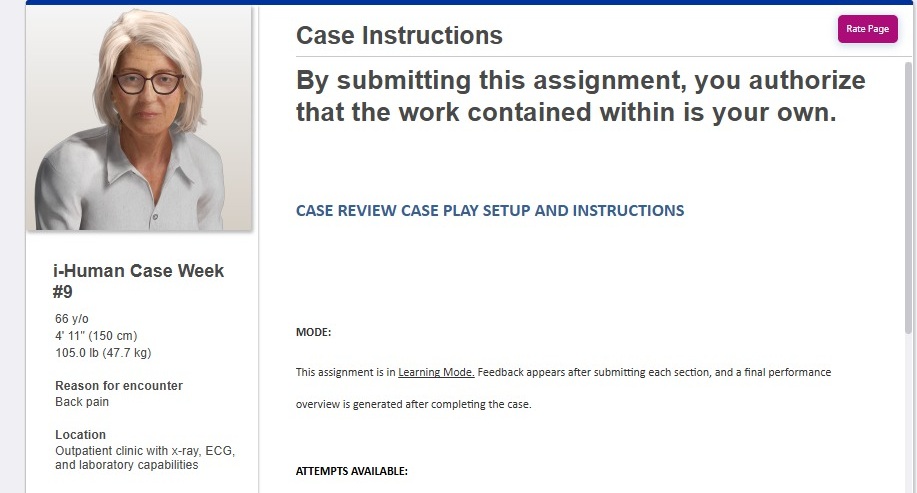
i-Human Case Week #9 Back Pain
66 years old
4’11” (150 cm)
105.0 lb (47.7 kg)
Reason for Encounter: Back pain
Location: Outpatient clinic with X-ray, ECG, and laboratory capabilities
i-Human Case Week #9 Reason for encounter: Back pain
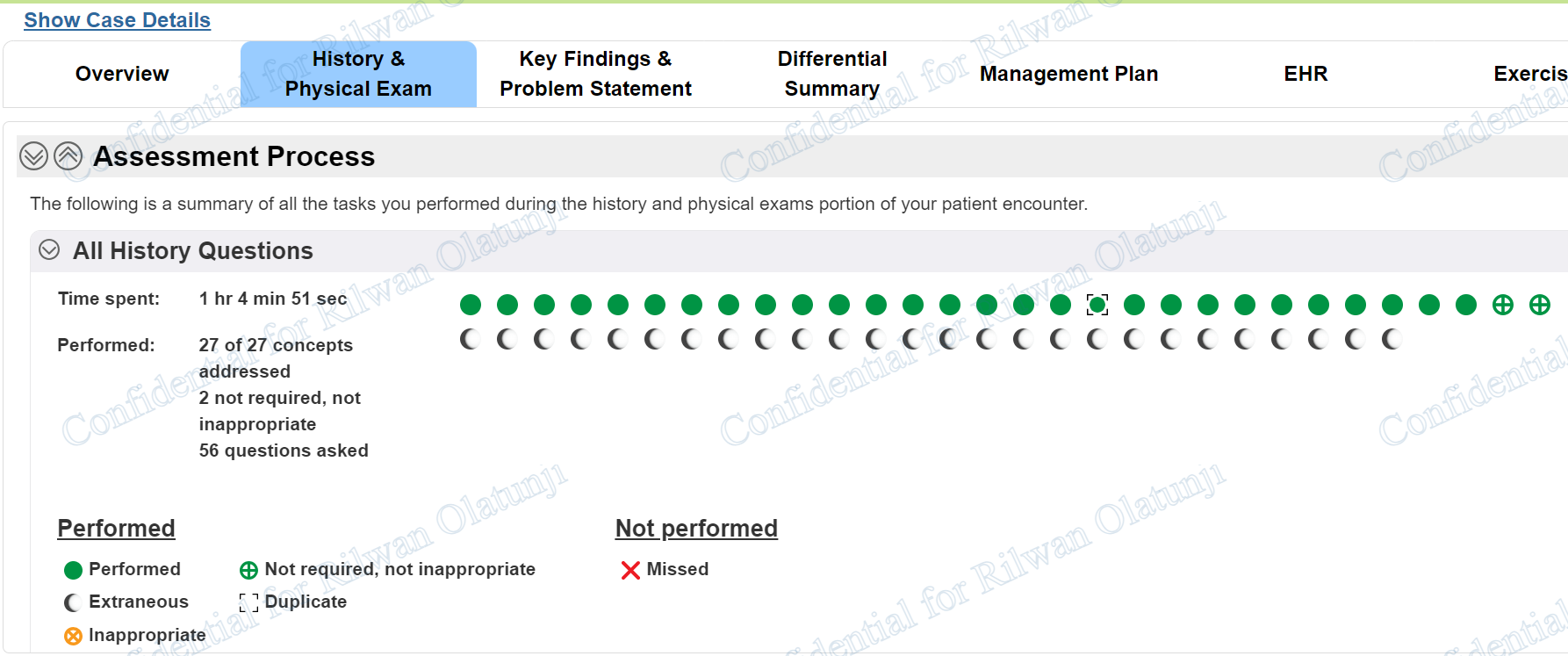
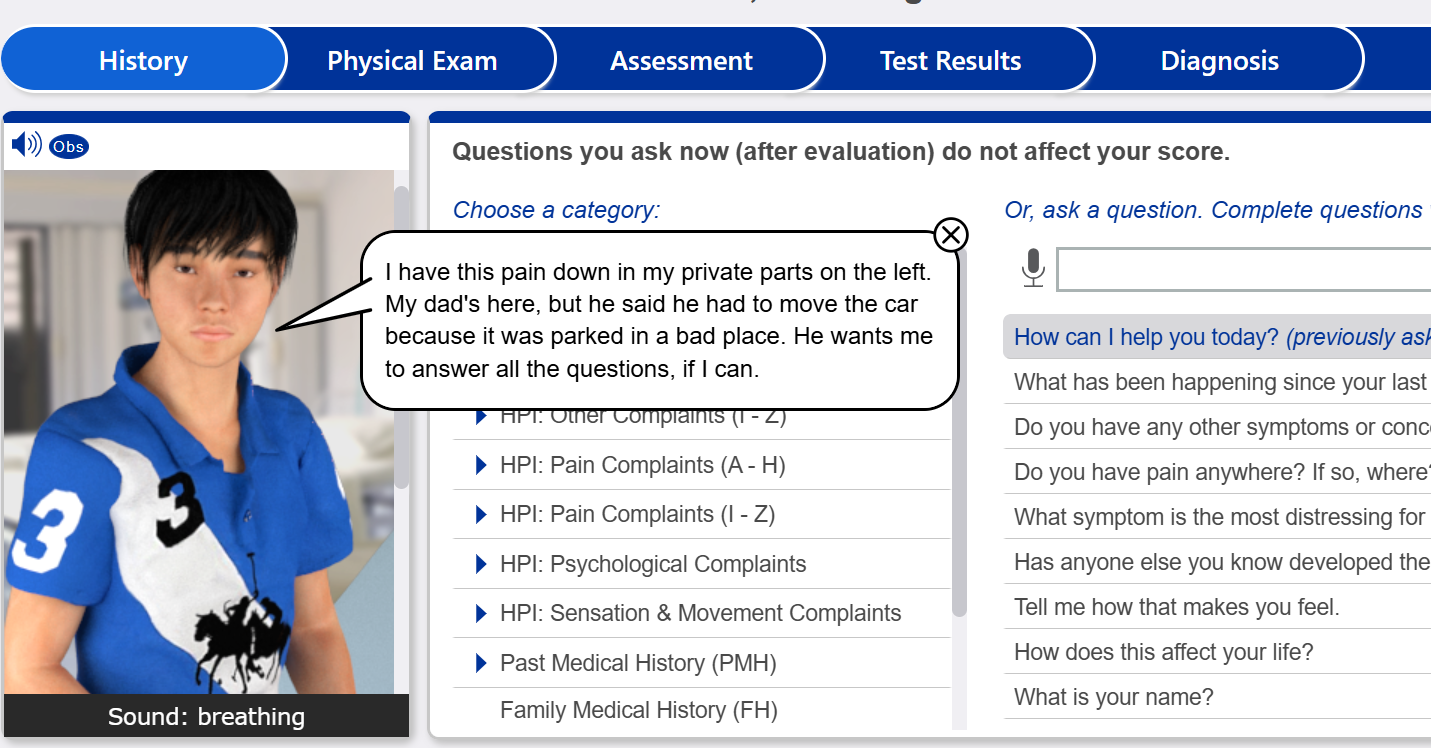
History Questions
- How can I help you today?
- Do you have any other symptoms of concerns we should discuss?
- What are the events surrounding the start of your back pain?
- How severe (1-10 scale) is the pain in your back?
- Does anything make the pain in your back better or worse?
- When did the pain in your back start?
- Does the pain in your back radiate someplace else? Where?
- Where more precisely is the pain in your back?
- How long does your back pain last?
- What does the pain in your back feel like?
- ……..
i-Human Case Week #9 Reason for encounter: Back pain
Physical Exams Required
- Weight
- Height
- cognitive status
- SpO2
- temperature
- blood pressure
- pulse
- respiration
- temperature
- auscultate heart
- auscultate lungs
- palpate th…….
i-Human Case Week #9 Reason for encounter: Back pain
CASE FINDINGS
- Sudden, acute 9/10 intense back pain x1 day after recent heavy lifting
- Midline lumbothoracic back pain that does not radiate
- Pain worsened with…..
Week 9 iHuman Back Pain 66-Year-Old (Week 9 Comprehensive History Questions answers)
The iHuman back pain 66 year old case from Week 9 presents a common yet clinically significant scenario that requires a structured diagnostic approach. This case emphasizes the importance of detailed history questions, a focused physical examination, forming an appropriate differential diagnosis, and implementing an evidence-based management plan.
The patient is a 66-year-old presenting with back pain, a complaint that can range from benign musculoskeletal strain to serious underlying pathology. Effective history questions are critical and should explore onset, duration, location, severity, radiation of pain, and aggravating or relieving factors. Additional inquiries should assess for red flag symptoms such as weight loss, fever, neurological deficits, or bowel/bladder dysfunction, which may indicate more serious conditions.
The physical examination plays a key role in narrowing the diagnosis. Assessment should include posture, gait, spinal alignment, and range of motion. Palpation of the spine and surrounding musculature, along with a neurological exam evaluating strength, sensation, and reflexes, helps identify possible nerve involvement or structural abnormalities.
A well-developed differential diagnosis for this iHuman case may include lumbar strain, degenerative disc disease, spinal stenosis, herniated disc, or more serious causes such as malignancy or infection. Prioritizing diagnoses based on clinical findings ensures safe and effective patient care.
The management plan should be individualized and evidence-based. Initial treatment often includes pain management with NSAIDs, physical therapy, activity modification, and patient education. Imaging or specialist referral may be necessary if red flag symptoms are present or if the condition does not improve.
For complete iHuman answers and expert guidance, visit 👉 https://ihumantutor.com/i-human-case-week-9-back-pain-66-years-old-answers/ and explore more resources at 👉 https://ihumantutor.com/.
Mastering this case enhances your ability to evaluate and manage back pain effectively in older adults, preparing you for real-world clinical practice.