

27 January 2025

No Comments

iHuman assignment

I-HUMAN PATIENTS CASE STUDY: ASSESSING THE GENITOURINARY AND REPRODUCTIVE SYSTEMS


62 y/o

6′ 1″ (185 cm)

Reason for encounter

I’m peeing all the time

Location

Outpatient clinic with x-ray, ECG, and laboratory capabilities

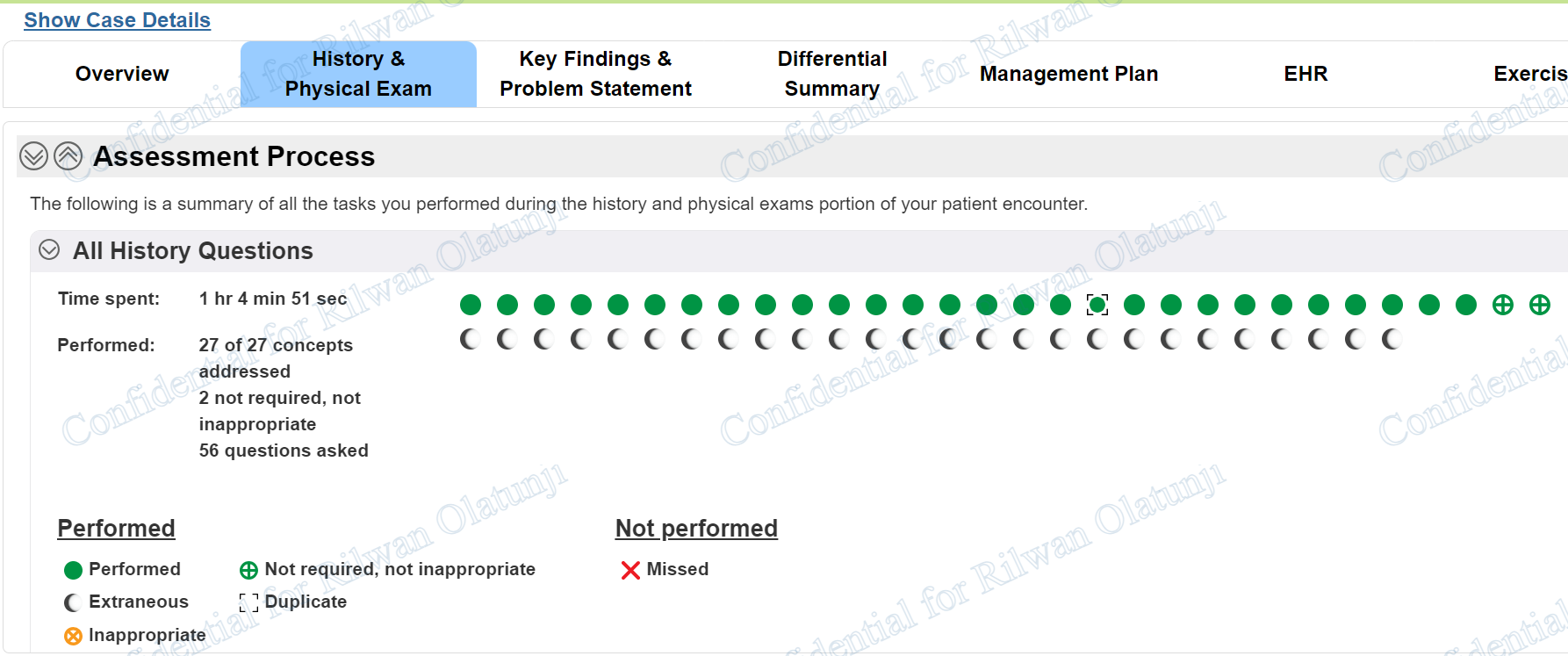
History Questions

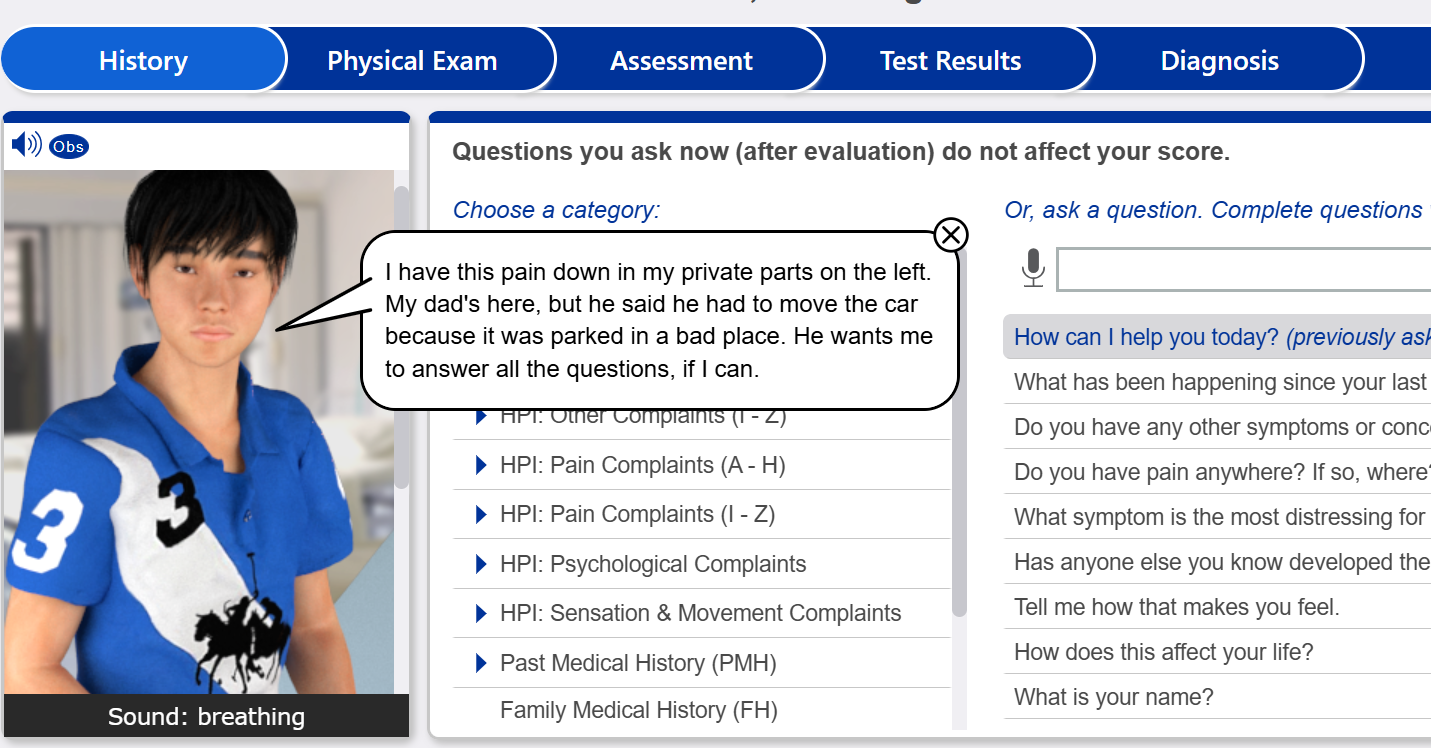
  1. How can I help you today?
  2. Do you have any other symptoms or concerns we should discuss?
  3. Tell me how does that makes you feel?
  4. How does this affect your life?
  5. Is there any thing I can do for you right now?
  6. Have you been having fevers?
  7. Do you have pain/ discomfort when you urinate?
  8. Do you leak urine (urine incontinence)?
  9. Is it hard to start urinating or peeing?
  10. ……….


Physical Exams Required

  1. Weight
  2. Height
  3. cognitive status
  4. SpO2
  5. temperature
  6. blood pressure
  7. pulse
  8. respiration
  9. …………….


Get all the complete Felipe Garcia case with history questions, physical exam, complete EHR documentation, exercises, case findings, diagnosis, test results, and management plan.


For this i-Human Patients Case Study Assignment, you will examine and work with a patient with a condition of the genitourinary and/or reproductive system.  

To prepare:

  • By Day 1 of this week, your Instructor will assign an i-Human Patients case for this Assignment. Note:Please see the Course Announcements section of the classroom for your i-Human Patients Assignment. 
  • Review this week’s Learning Resources on the genitourinary and reproductive systems. 
  • Access and review this week’s i-Human Patients case study. Based on the provided patient information, think about the health history you would need to collect from the patient. 
  • Consider what physical exams and diagnostic tests would be most appropriate to gather more information about the patient’s condition. 
  • Reflect on how the results would be used to make a diagnosis. 
  • Identify three to five (3–5)possible conditions that may be considered in a differential diagnosis for the patient. 
  • Consider the patient’s diagnosis. Think about clinical guidelines that might support this diagnosis. 
  • Develop a treatment plan for the patient that includes health promotion and patient education strategies.