


27 October 2025
No Comments
iHuman assignment
iHuman Tim Davis diarrhea answers
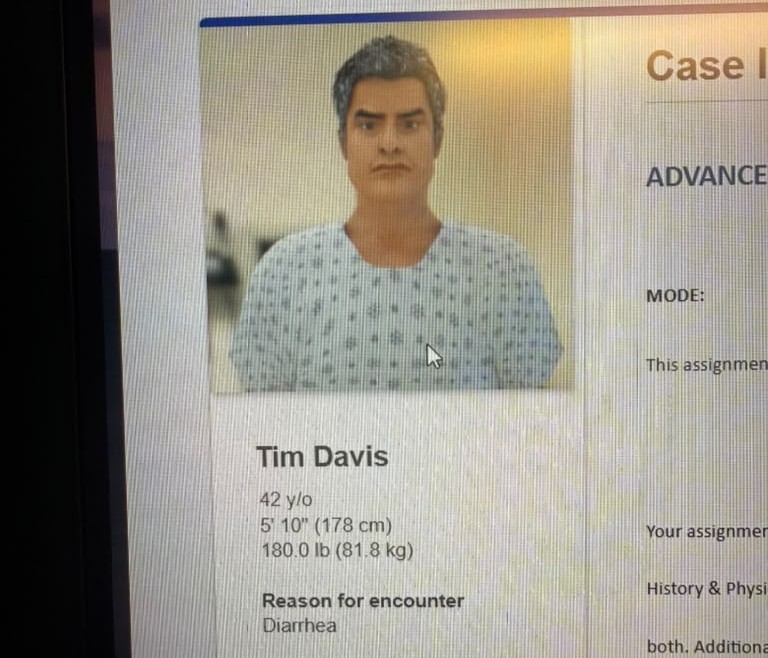
42 y/o
5′ 5″ (165 cm)
186.0 lb (84.5 kg)
Reason for encounter: Diarrhea
iHuman Tim Davis diarrhea answers History Questions
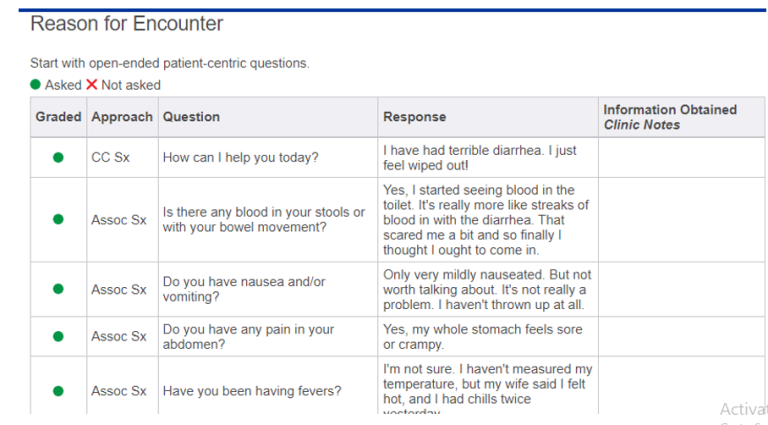
- How can I help you today?
- Is there any blood in your stools or with your bowel movements?
- Do you have nausea and/or vomiting?
- Do you have any pain in your abdomen?
- Have you been having fevers?
- Do you have any other symptoms or concerns we should discuss?
- ……..
iHuman Tim Davis diarrhea answers
Physical Exams Required
- Weight
- Height
- cognitive status
- SpO2
- temperature
- blood pressure
- pulse
- respiration
- temperature
- auscultate heart
- auscultate…….
Cracking the iHuman Case Study: Comprehensive Guide to the Tim Davis Case
Navigating the iHuman Tim Davis diarrhea answers can be one of the most challenging aspects of advanced clinical training. If you are currently tackling the iHuman case study for Tim Davis, a patient presenting with diarrhea and associated gastrointestinal symptoms, you know how crucial it is to follow a systematic clinical reasoning framework.
Whether you are completing clinical hours or aiming to improve your decision-making accuracy, mastering the structured approach to history taking, physical examination, differential diagnosis, and management planning is essential for achieving a high score.
Here is an strategic overview of the Tim Davis iHuman case study, highlighting key concepts to help you successfully complete your assignment.
Patient Overview: Tim Davis Presenting with Diarrhea
In this virtual clinical encounter, you meet Tim Davis, a patient seeking evaluation for acute to subacute gastrointestinal distress characterized primarily by diarrhea.
Understanding the full clinical picture requires looking beyond the chief complaint. When approaching a patient with gastrointestinal symptoms like those seen in Tim Davis, clinicians must evaluate:
Onset and Duration: Distinguishing between acute, persistent, and chronic presentations.
Associated Symptoms: Assessing for fever, abdominal pain, nausea, vomiting, or systemic signs of dehydration.
Risk Factors: Evaluating recent travel, dietary exposure, medication usage, and epidemiological background.
To explore similar case walk-throughs and diagnostic breakdowns, check out the collection of iHuman case study guides designed to enhance clinical reasoning skills.
Mastering iHuman History Questions for Gastrointestinal Cases
History taking is often worth a significant portion of your total iHuman evaluation score. Asking targeted history questions allows you to narrow down your diagnostic hypotheses efficiently without cluttering your transcript with low-yield inquiries.
When interviewing Tim Davis regarding his diarrhea, your historical investigation should cover essential clinical domains:
Symptom Characterization: Asking precise questions about stool frequency, consistency, volume, and the presence of blood or mucus.
Aggravating and Alleviating Factors: Determining how food intake, hydration, or specific positions impact the patient’s discomfort.
Review of Systems (ROS): Screen for constitutional, gastrointestinal, and extra-intestinal manifestations to rule out red-flag conditions.
Medical & Exposure History: Gathering insights on past medical history, antibiotic use, daily medications, and family history.
For step-by-step strategies on optimizing your transcript scores and avoiding excessive irrelevant questions, visit the guide on iHuman history taking strategies.
Conducting a Targeted iHuman Physical Examination
Once history taking is complete, performing a focused physical examination is required to gather objective clinical data. In iHuman simulations, selecting unnecessary physical exams can penalize your overall score, so accuracy and intent are critical.
For Tim Davis’s presentation of diarrhea, key examination areas to consider include:
Vital Signs Evaluation: Assessing for orthostatic changes, fever, or tachycardia that may indicate volume depletion or systemic infection.
Abdominal Examination: Systematic inspection, auscultation, percussion, and palpation to check for tenderness, peritoneal signs, or organomegaly.
Hydration Status Assessment: Evaluating mucous membranes, skin turgor, and capillary refill time.
Selecting the right physical exam modules ensures you gather vital findings while keeping your score optimized. Learn more about organizing your clinical approach with resources on physical examination mastery for virtual simulations.
Developing the Differential Diagnosis
Formulating a robust differential diagnosis is at the heart of iHuman clinical reasoning. For a patient like Tim Davis presenting with acute or subacute diarrhea, your differential list must reflect a broad yet structured spectrum of potential etiologies:
Infectious Causes: Viral, bacterial, or parasitic gastroenteritis based on exposure history and clinical severity.
Non-Infectious Etiologies: Medication-induced diarrhea, dietary indiscretions, or inflammatory bowel conditions.
Functional & Malabsorptive Disorders: Irritable bowel syndrome (IBS) or food intolerances.
In the simulation, organizing your differentials by priority (ranking top diagnoses versus conditions to rule out) is key to maximizing clinical reasoning metrics. If you need assistance structuring complex diagnostic lists, explore expert breakdowns on building a gastrointestinal differential diagnosis in iHuman.
Formulating a Comprehensive Management Plan
The final phase of the Tim Davis case study involves creating a patient-centered management plan. A well-rounded management strategy addresses immediate stabilization, definitive treatment, diagnostic workups, and patient education.
Components of an effective management plan for gastrointestinal cases include:
Diagnostic Workup: Determining when stool cultures, ova and parasite (O&P) testing, Clostridioides difficile toxins, or routine blood work are indicated.
Therapeutic Interventions: Outlining oral rehydration therapy, dietary modifications, and appropriate pharmacotherapy while avoiding contra-indicated anti-motility agents when infection is suspected.
Patient Education & Follow-Up: Counseling Tim Davis on warning signs that require immediate medical attention, hydration goals, and follow-up timing.
Developing executive-level management plans is a key competency evaluated in advanced nursing and medical programs. Read more about crafting structured treatment protocols with comprehensive iHuman management plan templates.
Get Complete, Step-by-Step Solutions for iHuman Cases
Struggling to hit a top score on the Tim Davis case, or running short on time with demanding clinical rotations? Getting every history question, physical exam pick, differential rank, and management plan detail correct can be daunting.
At iHumanTutor, we provide full, accurate, and up-to-date case walkthroughs, rationale breakdowns, and clinical guidance to help you master your virtual patient assignments with confidence.
Don’t let virtual simulation stress slow down your academic progress. Click here to order comprehensive answers and complete solutions for the Tim Davis iHuman Case Study at iHumanTutor.com!