


7 August 2026
No Comments
iHuman assignment
iHuman Sloan Glen slipping grades answers
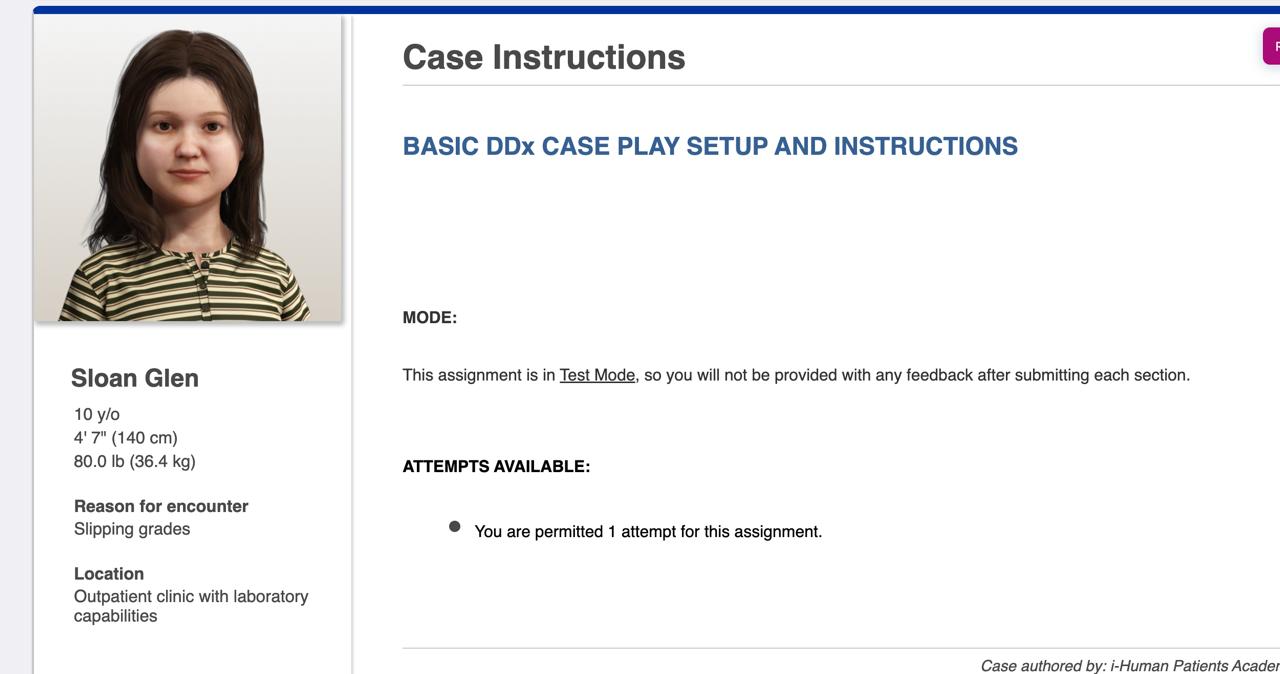
Sloan Glen
10 y/o
Height: 4′ 7″ (140 cm)
Weight: 80.0 lb (36.4 kg)
Reason for encounter: Slipping grades
Location: Outpatient clinic with laboratory capabilities
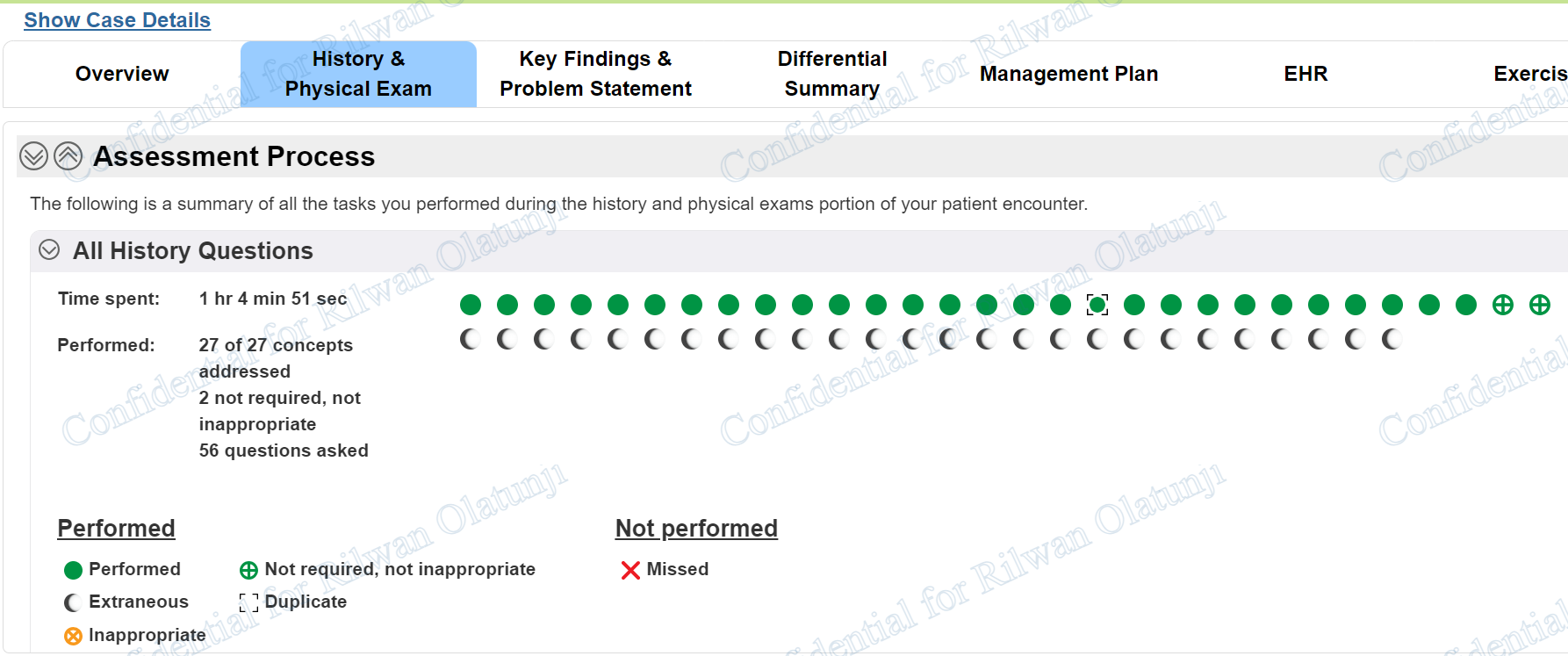
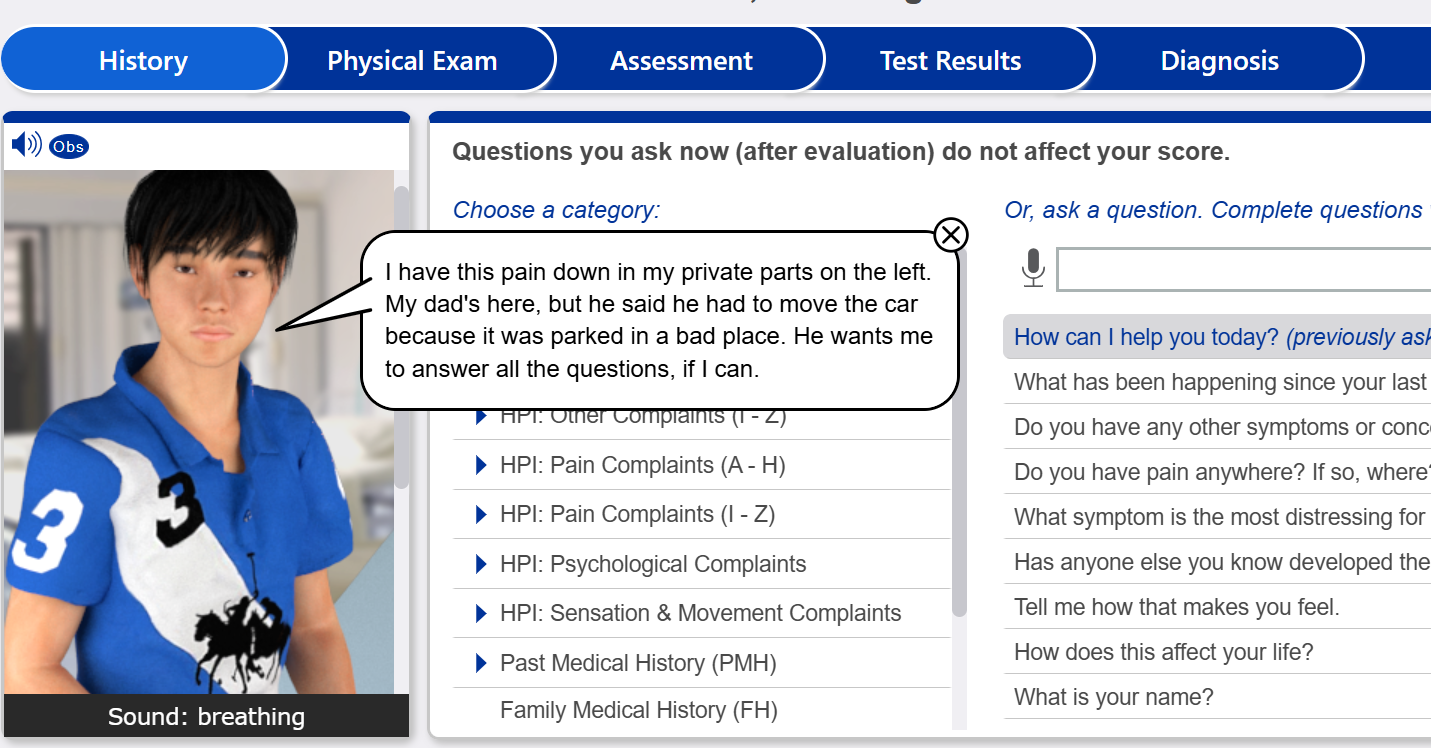
iHuman Sloan Glen History Questions
- How can I help you today?
- Do you have any other symptoms or concerns we should discuss?
- What symptom is the most distressing for you?
- Has anyone else you know developed these symptoms?
- Tell me how that makes you feel.
- How does this affect your life?
- Is there anything I can do for you right now?
- Is there any blood in your stools or with your bowel movement?
- Do you have nausea and/or vomiting?
- Do you have any pain in your abdomen?
- Do you have…..
iHuman Sloan Glen slipping grades answers
Physical Exams Required
- Weight
- Height
- cognitive status
- SpO2
- temperature
- blood pressure
- pulse
- respiration
- temperature
- auscultate heart
- auscultate lungs
- assess …….
iHuman Sloan Glen Slipping Grades (10-Year-Old): Case Overview, Assessment Guide, and Study Resource
If you’re working through the iHuman Sloan Glen slipping grades 10-year-old case, you’re likely looking for a structured approach to gathering the patient’s history, interpreting examination findings, developing differential diagnoses, and creating an evidence-based management plan. This pediatric behavioral health scenario evaluates your ability to distinguish attention-related concerns from other medical and psychological conditions while following a systematic clinical reasoning process.
This article provides a high-level overview of the case without revealing the actual history questions, physical examination findings, differential diagnosis, diagnostic tests, or management answers. If you need the complete walkthrough, documentation, and grading support, you’ll find comprehensive assistance through iHuman Tutor.
👉 Get complete Sloan Glen iHuman answers and step-by-step guidance at https://ihumantutor.com/
Sloan Glen iHuman Case Overview
The Sloan Glen virtual patient is a 10-year-old child brought for evaluation because of slipping grades over several months. Although declining academic performance is the primary concern, the case challenges students to determine whether the underlying problem is educational, behavioral, developmental, psychological, neurologic, or medical.
Rather than focusing on school performance alone, learners must conduct a comprehensive pediatric assessment that explores behavior across multiple environments, developmental history, family dynamics, medical history, and psychosocial factors. The scenario reflects real-world primary care practice, where academic decline is often the first sign of an underlying neurodevelopmental or behavioral disorder.
Why This iHuman Case Can Be Challenging
Many students assume that poor grades immediately point toward one diagnosis. However, this case emphasizes the importance of maintaining a broad differential diagnosis while systematically ruling out alternative explanations.
Throughout the encounter, students are expected to:
Obtain a complete pediatric history.
Interview both the caregiver and the child.
Evaluate behavioral symptoms in different settings.
Assess developmental and psychosocial factors.
Perform a focused yet comprehensive physical examination.
Identify appropriate diagnostic tools.
Develop an evidence-based treatment plan.
Success depends on recognizing patterns rather than relying on a single symptom.
History Questions Matter
One of the largest scoring components of the Sloan Glen iHuman case is obtaining an appropriate patient history.
Students should be prepared to explore areas such as:
Chief complaint progression
School performance
Attention and concentration
Behavioral concerns
Family observations
Developmental milestones
Medical history
Medication use
Allergies
Sleep habits
Nutrition
Physical activity
Social interactions
Emotional well-being
Family history
The case rewards asking comprehensive questions rather than only focusing on the presenting complaint.
For the complete list of optimal history questions, visit https://ihumantutor.com/ where detailed iHuman case guides are available.
Physical Examination Overview
Although the primary complaint involves academic performance, the physical examination remains essential.
Students are expected to complete a comprehensive pediatric examination that evaluates multiple body systems while paying particular attention to behavioral observations, neurologic status, growth parameters, and mental status.
The encounter assesses whether students know which examination components are clinically relevant without overtesting or overlooking important findings.
Our complete Sloan Glen guide explains:
Which examination elements contribute to scoring
Appropriate examination sequence
Key objective findings
Proper EHR documentation
Common mistakes students make
Find the complete walkthrough at https://ihumantutor.com/.
Developing the Differential Diagnosis
One of the most important learning objectives in this iHuman case is constructing an appropriate differential diagnosis.
Rather than immediately selecting a single diagnosis, learners should demonstrate clinical reasoning by considering multiple possibilities before narrowing the diagnosis using information gathered from the history and examination.
This process mirrors real-world pediatric primary care, where academic decline may result from several different medical, psychological, developmental, or environmental conditions.
Understanding **why each diagnosis is considered—and why others are excluded—is often more valuable than simply identifying the final diagnosis.
Management Planning
After completing the assessment, students must develop a comprehensive management plan that reflects current pediatric practice guidelines.
An effective plan typically includes consideration of:
Appropriate diagnostic evaluation
Evidence-based treatment options
Behavioral interventions
Family education
School collaboration
Follow-up recommendations
Monitoring strategies
Because many educational programs grade documentation quality, learners should ensure their management plans are complete, organized, and supported by current clinical recommendations.
Why Students Use iHuman Tutor
Many nursing, nurse practitioner, physician assistant, and medical students use iHuman Tutor to improve their clinical reasoning and documentation before submitting assignments.
Resources available include:
Complete iHuman Sloan Glen answers
Comprehensive history question guides
Physical examination walkthroughs
Differential diagnosis discussions
SOAP notes
EHR documentation
Management plans
APA 7 references
Patient education materials
Evidence-based rationales
Each resource is designed to help students understand the reasoning behind the case—not simply memorize answers.
Explore all available study resources at https://ihumantutor.com/.
Final Thoughts
The iHuman Sloan Glen slipping grades 10-year-old case is an excellent exercise in pediatric assessment and clinical decision-making. It teaches students to look beyond declining academic performance and perform a thorough evaluation that integrates history, examination findings, and evidence-based management.
Whether you’re preparing for an iHuman assignment, practicing documentation, or reviewing pediatric behavioral health concepts, approaching the case systematically will improve both your clinical confidence and your scores.
If you’re looking for the complete Sloan Glen iHuman answers, including history questions, physical examination findings, differential diagnosis, diagnostic workup, SOAP note, EHR documentation, and management plan, visit https://ihumantutor.com/ for detailed, step-by-step study resources.