


4 January 2026
No Comments
iHuman assignment
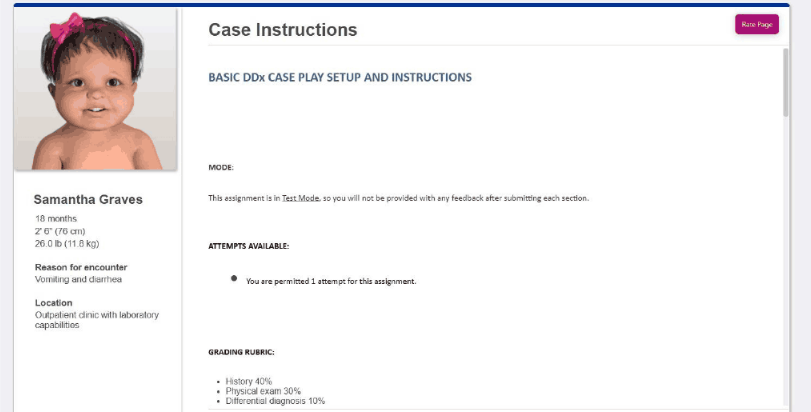
iHuman Samantha Graves 18 month old female Vomiting and diarrhea answers
Samantha Graves
Age: 18 months
Height: 2′ 6″ (76 cm)
- Weight: 26.0 lb (11.8 kg)
iHuman Samantha Graves Reason for encounter: vomiting and diarrhoea
Physical Exams Required
- Weight
- Height
- cognitive status
- SpO2
- temperature
- blood pressure
- pulse
- respiration
- temperature
- auscultate heart
- auscultate lungs
- auscultate …….
Mastering the iHuman Case: Samantha Graves, an 18-Month-Old Female with Vomiting and Diarrhea
Navigating complex pediatric simulation cases in nursing and medical programs can be challenging, especially when managing tight clinical decision-making timelines on platforms like iHuman. One frequently encountered simulation involves Samantha Graves, an 18-month-old female presenting with vomiting and diarrhea.
Whether you are preparing for your pediatric clinical rotation, working through nursing simulation modules, or reviewing primary care cases, mastering the approach to acute pediatric gastrointestinal distress is essential for achieving high clinical accuracy scores.
If you are looking for step-by-step guidance, full case breakdowns, and verified solutions for your simulation assignments, explore comprehensive support resources at iHumanTutor.
Patient Overview & Chief Complaint
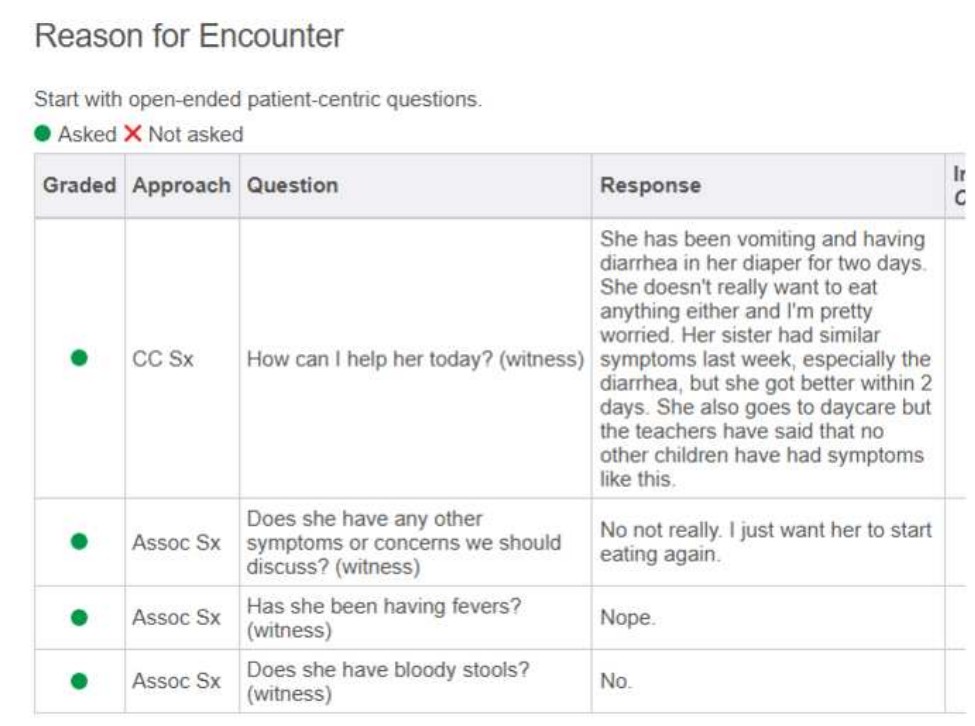
In this simulated case, Samantha Graves, an 18-month-old female, is brought to the clinic by her mother due to sudden gastrointestinal distress lasting two days. The primary concerns reported by the caregiver include frequent vomiting and diarrhea, accompanied by a noticeable decrease in appetite and mild irritability.
When assessing a toddler in a simulated environment, student clinicians must balance gathering subjective history from the caregiver with observing objective developmental and physical cues. Key clinical elements to evaluate at the initial presentation include:
Symptom Onset and Duration: Tracking when the nausea, emesis, and loose stools began relative to household exposure.
Hydration Status Indicators: Evaluating fluid intake, urine output, tear production, and wet diaper frequency.
Associated Symptoms: Screening for fever, severe abdominal pain, hematochezia, or lethargy.
Navigating the iHuman History Questions
To score well on the history section of the iHuman simulation for Samantha Graves, students must ask targeted, high-yield questions that address the History of Present Illness (HPI), Past Medical History (PMH), and Review of Systems (ROS).
Instead of asking broad, repetitive questions, focus on structured pediatric inquiry frameworks like OLD-CARTS (Onset, Location, Duration, Characteristics, Aggravating/Relieving factors, Timing, Severity). Key focus areas for history gathering in this case include:
Characterizing the Output: Investigating the frequency, consistency, and appearance of both the vomitus and the stool episodes (e.g., presence of blood, bile, or undigested food).
Evaluating Hydration and Oral Intake: Determining the child’s daily fluid consumption, tolerance of oral rehydration solutions, and comparative wet diaper count over 24-hour periods.
Epidemiological & Family History: Identifying similar illnesses among family members, daycare contacts, or recent dietary changes.
Gathering complete subjective data helps narrow down potential triggers and prevents unnecessary diagnostic ordering down the line. For access to complete HPI transcripts, recommended history question sets, and expert guidance, visit iHumanTutor Case Solutions.
Performing the Physical Examination
A meticulous physical examination is vital when managing pediatric patients with fluid losses. In the iHuman environment, performing exams in the correct sequence while avoiding unnecessary invasive procedures directly impacts your clinical score.
When evaluating an 18-month-old female with vomiting and diarrhea, physical examination priorities must focus heavily on systemic hydration and abdominal integrity:
Vital Signs Assessment: Evaluating heart rate, respiratory effort, capillary refill time, and temperature to rule out systemic toxicity or moderate-to-severe dehydration.
Abdominal Inspection & Auscultation: Assessing abdominal contour, presence of hyperactive or hypoactive bowel sounds, guarding, and localized tenderness.
General Hydration & HEENT Exam: Inspecting mucous membranes, tear production, anterior fontanelle status (if applicable), skin turgor, and mental status.
Understanding which physical exams are required versus those categorized as “Not Required” or “Missed” helps optimize your performance in virtual patient encounters.
Formulating the Differential Diagnosis
Developing a thorough differential diagnosis requires differentiating common self-limiting pediatric conditions from urgent surgical or severe medical emergencies. In a case involving acute onset of vomiting and diarrhea in a toddler, clinicians must consider multiple diagnostic categories:
Primary Etiologies: Infectious gastrointestinal conditions involving common viral agents (such as Rotavirus or Norovirus).
Secondary Considerations: Bacterial or parasitic gastrointestinal infections requiring targeted stool evaluation.
Must-Not-Miss (MNM) Diagnoses: Surgical or obstructive emergencies such as intussusception or acute appendicitis, as well as severe systemic complications like acute dehydration or urinary tract infections.
Selecting the appropriate primary diagnosis while correctly identifying lead vs. alternative diagnoses forms the core of clinical reasoning in medical and nursing coursework.
Diagnostic Evaluation & Management Plan
Once the differential list is established, selecting targeted diagnostic tests and formulating a safe, evidence-based management plan is the final step in resolving the case.
Diagnostic Selection
In uncomplicated pediatric presentations without red-flag symptoms, diagnostic testing should be minimal and focused. Clinicians must weigh the clinical utility of stool cultures, parasite screenings, or blood work against unnecessary costs or patient discomfort.
Comprehensive Management Strategy
A comprehensive pediatric management plan prioritizes supportive care and caregiver education:
Fluid Resuscitation & Rehydration: Implementing Oral Rehydration Therapy (ORT) with appropriate electrolyte solutions given in small, frequent sips.
Dietary Guidance: Recommending early reintroduction of age-appropriate normal diets as tolerated, avoiding overly restrictive approaches that provide suboptimal nutrition.
Infection Control & Hygiene: Educating caregivers on strict hand hygiene, diaper handling, and sanitization to prevent household transmission.
Red-Flag Monitoring & Follow-Up: Clearly outlining warning signs—such as persistent high fever, lethargy, blood in stool, or lack of wet diapers—that require immediate urgent or emergency care.
Get Complete iHuman Case Answers and Academic Support
Struggling to complete your iHuman simulation modules with top marks? Navigating history scoring, exam selections, diagnostic reasoning, and care plans can be overwhelming without clear academic guidance.
At iHumanTutor, we provide detailed case breakdowns, complete answers, expert rubrics, and step-by-step walkthroughs to help nursing and health sciences students excel in their coursework. Whether you need assistance with Samantha Graves or any other virtual patient case, get the expert support you need today.
👉 Click Here to Order Comprehensive iHuman Case Solutions at iHumanTutor.com!