


14 October 2026
No Comments
iHuman assignment
iHuman Kristina Hart pain when I pee answers
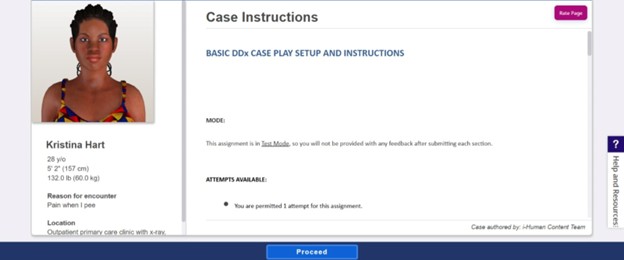
Reason for encounter Pain when I pee
28 y/o
5′ 2″ (157 cm)
132.0 lb. (60.0 kg)
Location
Outpatient clinic with x-ray, ECG, and laboratory capabilities
iHuman Kristina Hart pain when I pee answers
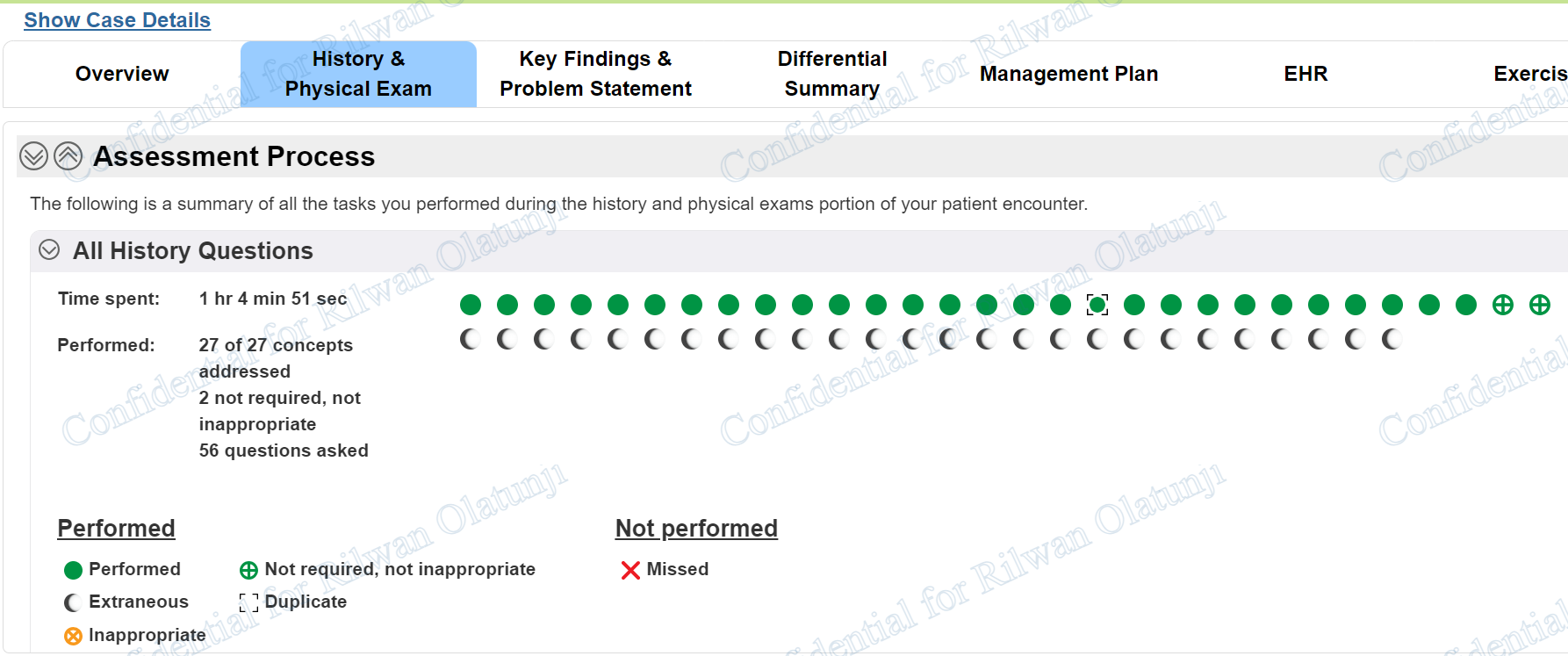
History Questions
- How can I help you today?
- Do you have any other symptoms or concerns we should discuss?
- Do you have pain/discomfort when you urinate?
- When did your pain/discomfort with urination start?
- What are the events surrounding the start of your pain/discomfort with urination?
- Does anything make your pain/discomfort with urination better or worse?
- How severe is your pain/discomfort with urination?
- Does your pain/discomfort with urination come and go?
- Have you passed any stones in your urine?
- How long does your urination pain/discomfort last?
- What treatments have you….
iHuman Kristina Hart pain when I pee answers
Physical Exams
- Weight
- Height
- cognitive status
- SpO2
- temperature
- blood pressure
- pulse
- respiration
- temperature
- auscultate heart
- auscultate lungs
- assess …….
Kristina Hart iHuman Case Study: Making Sense of “Pain When I Pee”
The Kristina Hart iHuman case looks simple at first. A young woman walks in saying she has “pain when I pee,” and many students assume it is a routine urinary complaint. That assumption is where most of the lost points start. This case rewards students who dig deeper and connect the clues, and penalizes those who stop at the obvious answer.
This overview walks through what makes the Kristina Hart case challenging. If you want the complete, graded-level answers, the team at iHumanTutor has them ready for you.
Who Is Kristina Hart?
Kristina Hart is a 28-year-old woman in the iHuman virtual patient library. Her chief complaint is direct: “Pain when I pee.” The case is commonly assigned in advanced practice nursing, family nurse practitioner, and women’s health courses because it tests whether you can look past the first symptom.
As the encounter unfolds, Kristina reveals details that shift the clinical picture. Her personal and social background matters just as much as her urinary symptoms. Students who treat this as a quick urinary visit tend to miss the findings the grading rubric weighs most heavily.
Why Students Struggle With This iHuman Case
The iHuman platform scores more than your final diagnosis. It evaluates how you got there. In the Kristina Hart case, students commonly lose points in four places:
- Incomplete history taking. Skipping sensitive but essential areas of the interview leaves major gaps.
- Unfocused physical examination. Performing the wrong exam components, or too many of them, lowers your efficiency score.
- Narrow differential diagnosis. Locking onto one condition too early is one of the most common errors.
- A weak management plan. Outdated treatment guidelines and missing patient education can cost significant points.
Each section builds on the one before it. A gap early in the encounter carries through to your final plan.
Navigating the History Questions
The history questions section of the Kristina Hart case is where your clinical reasoning begins. Kristina will not volunteer everything you need, so the quality of your questions determines what you uncover.
Strong students go beyond the chief complaint. They explore the timeline, associated symptoms, past medical history, medications, and lifestyle factors with intention. Some of the most important clues here come from areas that students feel uncomfortable asking about. Knowing which questions earn credit, and which ones waste time, makes a measurable difference in your score.
Want the full list of high-yield history questions for this case? Order the complete Kristina Hart solution and see exactly what earns credit.
Approaching the Physical Examination
The physical examination in this iHuman case demands a focused, purposeful approach. iHuman tracks which exams you select and whether they fit the presentation. A thoughtful exam strategy separates confident clinicians from students who click through every option.
In Kristina’s encounter, certain examination findings are central to reaching the right conclusion. Students who skip key components often reach the wrong diagnosis, even when their history was strong. Documenting findings in objective, measurable language also matters when you write up the case afterward.
Our iHuman case documentation service provides fully written physical examination findings in proper EHR format, ready to guide your write-up.
Building Your Differential Diagnosis
The differential diagnosis section is often the heart of the grade. For a patient who reports pain when urinating, several conditions deserve consideration, and iHuman expects you to rank them logically.
The challenge with Kristina Hart is that more than one diagnosis seems plausible at first. Your job is to weigh the pertinent positives and negatives from the history and exam, then decide which conditions stay on the list and which ones move down. Students who explain their reasoning clearly tend to score well. Students who list conditions without justification usually do not.
Getting the ranking and supporting evidence right takes practice. Our tutors explain the reasoning behind every differential so you understand the logic rather than just memorizing an answer.
Crafting an Evidence-Based Management Plan
The management plan is where many students lose their final points. A complete plan in the Kristina Hart case covers diagnostic testing, pharmacologic treatment, patient education, referrals, and follow-up. Each element should follow current, evidence-based guidelines.
Clinical recommendations change over time, and some study resources still circulate outdated treatment approaches. A plan built on old guidance can cost you points even if your diagnosis was correct. Graders also expect education that reflects the patient’s individual risk factors and social history.
Get a fully cited management plan that uses current guidelines, with peer-reviewed APA 7 references included.
What You Get When You Order From iHumanTutor
At ihumantutor.com, we support nursing and nurse practitioner students working through challenging iHuman cases. For the Kristina Hart case, your order can include:
- Key findings organized from most to least important
- A concise case problem statement
- A detailed HPI written in professional consultant format
- A complete review of systems and past medical history
- Physical examination documentation in objective EHR language
- A reasoned differential diagnosis with clinical justification
- A comprehensive management plan with current guidelines
- Verified, peer-reviewed APA 7 references with working DOIs
Every document is written originally and delivered as a polished Word file.
Frequently Asked Questions About the Kristina Hart iHuman Case
What is the chief complaint in the Kristina Hart iHuman case?
Kristina Hart presents with “pain when I pee,” a urinary complaint that opens into a broader clinical picture as the history unfolds.
Is the Kristina Hart case a simple urinary tract infection?
Many students assume so, but the case is designed to test whether you look beyond the first impression. The complete answer depends on findings from both the history and the physical examination.
What sections does the iHuman platform grade?
iHuman typically evaluates history taking, physical examination, key findings, problem statement, differential diagnosis, testing, and the management plan.
Can I get complete answers for the Kristina Hart case?
Yes. Place your order at iHumanTutor for comprehensive, guideline-based documentation.
Ready to Master the Kristina Hart iHuman Case?
You do not have to guess your way through this encounter. Whether you are stuck on the history questions, unsure about the physical examination, or second-guessing your differential diagnosis and management plan, expert help is one click away.
Order your complete Kristina Hart iHuman case solution today and submit with confidence.