



ihumaxn
15 April 2026
No Comments
iHuman assignment
iHuman Kristina Hart pain when I pee answers NR602
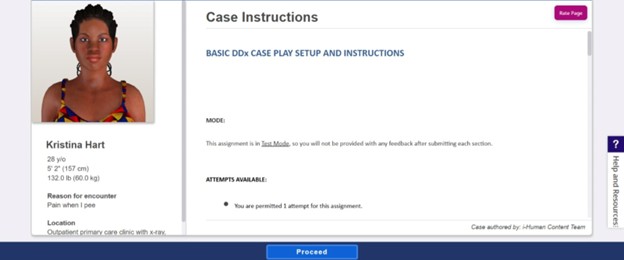
Kristina Hart
28 y/o
5′ 2″ (157 cm)
132.0 lb. (60.0 kg)
Reason for encounter Pain when I pee
Location
Outpatient clinic with x-ray, ECG, and laboratory capabilities
iHuman Kristina Hart pain when I pee answers NR602
History Questions
- How can I help you today?
- Do you have any other symptoms or concerns we should discuss?
- Do you have pain/discomfort when you urinate?
- When did your pain/discomfort with urination start?
- What are the events surrounding the start of your pain/discomfort with urination?
- Does anything make your pain/discomfort with urination better or worse?
- How severe is your pain/discomfort with urination?
- Does your pain/discomfort with urination come and go?
- Have you passed any stones in your urine?
- How long does your urination pain/discomfort last?
- What treatments have you….
iHuman Kristina Hart pain when I pee answers NR602
Physical Exams
- Weight
- Height
- cognitive status
- SpO2
- temperature
- blood pressure
- pulse
- respiration
- temperature
- auscultate heart
- auscultate lungs
- assess …….
Kristina Hart pain when I pee answers NR602
The iHuman Kristina Hart case is a classic clinical scenario focused on a 28-year-old female presenting with pain when I pee, medically known as dysuria. This case is widely used by nursing students to practice history questions, physical examination, differential diagnosis, and management plan development.
Kristina Hart presents with a 2-day history of dysuria, urinary frequency, and yellow mucopurulent vaginal discharge. She reports moderate pain during urination and intermittent spotting. Key risk factors include multiple sexual partners and inconsistent condom use, which significantly increase the likelihood of a sexually transmitted infection (STI). Notably, she denies fever, abdominal pain, and flank pain, helping rule out more severe upper urinary tract involvement.
The physical examination findings are crucial in this iHuman case. A pelvic exam reveals mucopurulent discharge and cervical friability, classic indicators of cervicitis. There is no cervical motion tenderness, reducing suspicion for pelvic inflammatory disease (PID). These findings guide the clinician toward the most likely diagnosis.
From a differential diagnosis perspective, cervicitis (most commonly caused by Chlamydia trachomatis or Neisseria gonorrhoeae) ranks highest. Other considerations include urethritis and PID, though clinical findings make them less likely.
The management plan includes empiric antibiotic therapy with ceftriaxone and azithromycin, STI testing, and strong patient education on safe sex practices. Follow-up and partner notification are essential components of care.
Overall, this iHuman case emphasizes clinical reasoning by integrating history, physical exam, and risk assessment to arrive at an evidence-based diagnosis and treatment plan.