


11 April 2026
No Comments
iHuman assignment
iHuman Kennedy Poole 10 year old slipping grades
Kennedy Poole
10-year-old
4’7” (140cm)
80.0 lb. (36.4kg)
Reason for Encounter
Slipping Grades
Location
Outpatient clinic with x-ray, ECG, and laboratory capabilities
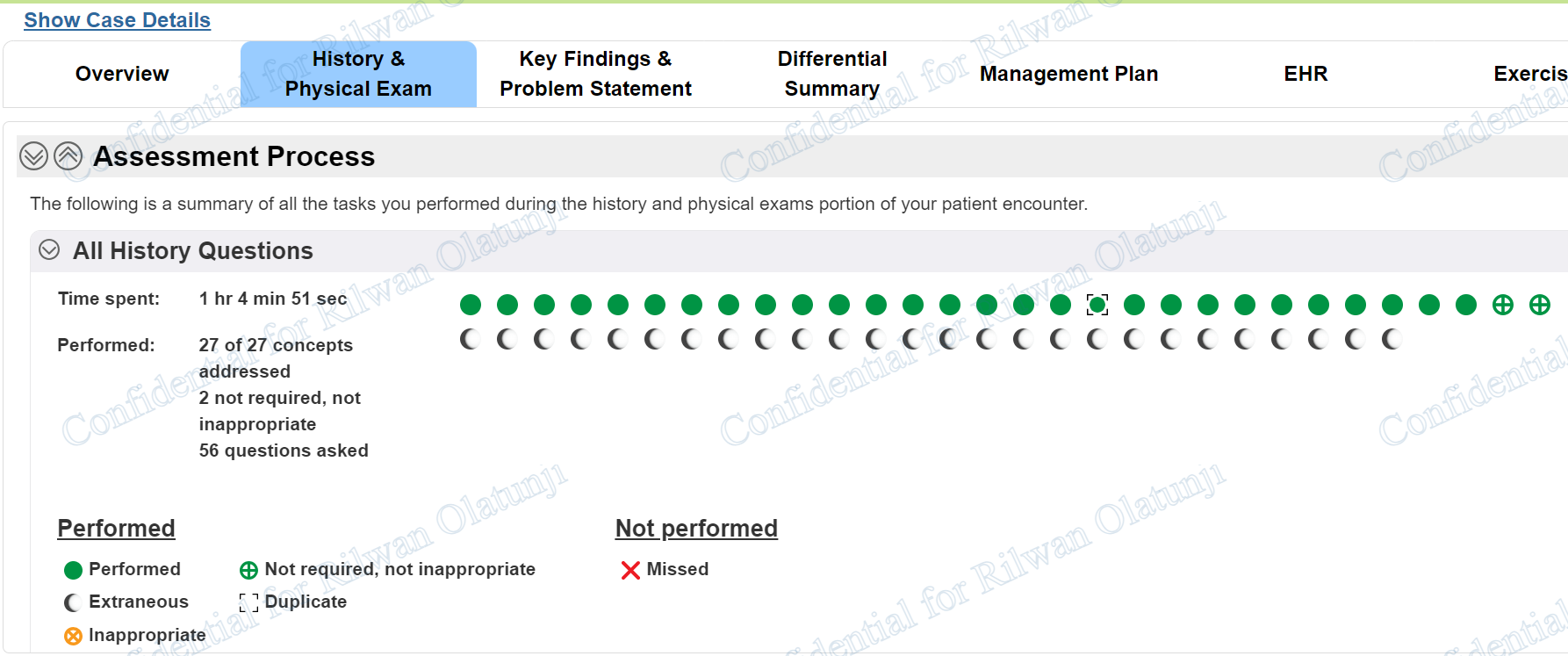
iHuman Kennedy Poole 10 year old slipping grades History Questions
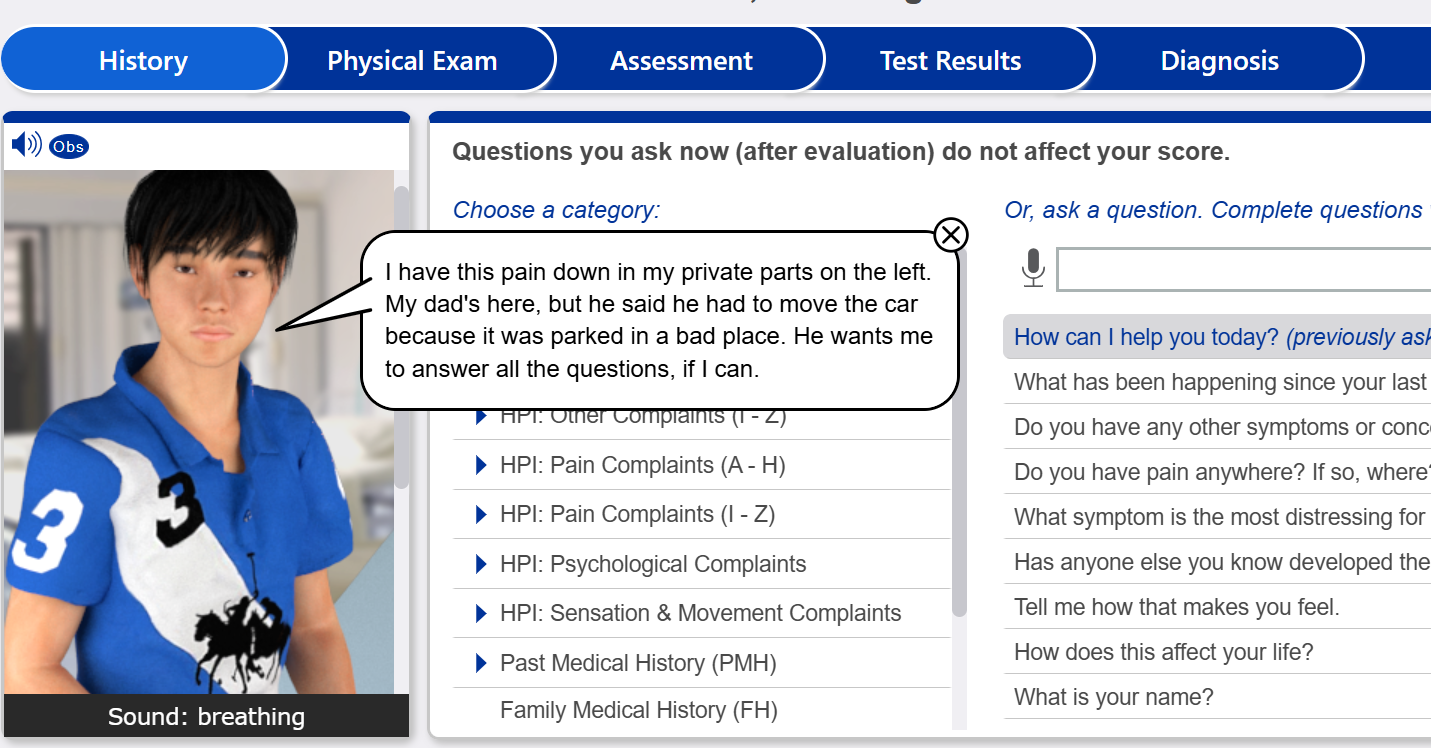
- How can I help you today? (Patient)
- Do you have any other symptoms or concerns we should discuss? (Patient)
- How can I help her? (Father)
- Does she have any other symptoms or concerns we should discuss? (Father)
- When did her memory problems start? (Father)
- What are the events surrounding the start of her memory problems? (Father)
- Is she having trouble concentrating or making decisions well, if so, how often? (Father)
- When did her trouble concentrating or making decisions start? (Father)
- Are you………
iHuman Kennedy Poole 10 year old slipping grades
Physical Exams
- Weight
- Height
- cognitive status
- SpO2
- temperature
- blood pressure
- pulse
- respiration
- temperature
- auscultate heart
- auscultate lungs
- assess …….
Case Summary: iHuman Kennedy Poole Slipping Grades (10-Year-Old)
The iHuman Kennedy Poole slipping grades 10 year old case focuses on a pediatric patient presenting with a noticeable decline in academic performance. This scenario emphasizes the importance of a comprehensive and holistic approach using targeted history questions, a structured physical examination, a well-developed differential diagnosis, and an individualized management plan.
The case begins with detailed history questions aimed at identifying potential causes of slipping grades. Key areas include attention difficulties, behavioral changes, mood symptoms, sleep patterns, school performance, and psychosocial stressors. Gathering information from both the child and caregivers is essential to understand the full context of the academic decline.
A focused physical examination is performed to rule out underlying medical conditions that may impact learning or behavior. This includes assessment of growth, neurological status, vision, and hearing. While findings are often normal, this step ensures that no organic cause is missed.
The differential diagnosis for this case typically includes attention-deficit/hyperactivity disorder (ADHD), anxiety, depression, and learning disorders. Environmental factors such as school challenges or family stress may also contribute. Prioritizing the most likely causes based on history and exam findings is critical.
The management plan involves a multidisciplinary approach. Interventions may include behavioral therapy, academic support, counseling, and possible medication if ADHD or another condition is diagnosed. Collaboration with parents, teachers, and healthcare providers is key to improving outcomes.
For complete iHuman answers and in-depth guidance on this case, visit https://ihumantutor.com/kennedy-poole-10-year-old-slipping-grades-answers/. This resource helps streamline your clinical reasoning and supports success in mastering pediatric case studies.