



12 March 2026
No Comments
iHuman assignment
iHuman George Bailey
50 y/o 6’0” (183 cm) 170.0 lb (77.3 kg)
Reason for encounter: abdominal pain
Physical Exams Required
- Weight
- Height
- cognitive status
- SpO2
- temperature
- blood pressure
- pulse
- respiration
- temperature
- auscultate heart
- auscultate lungs
- assess …….
George Bailey Case Problem Statement
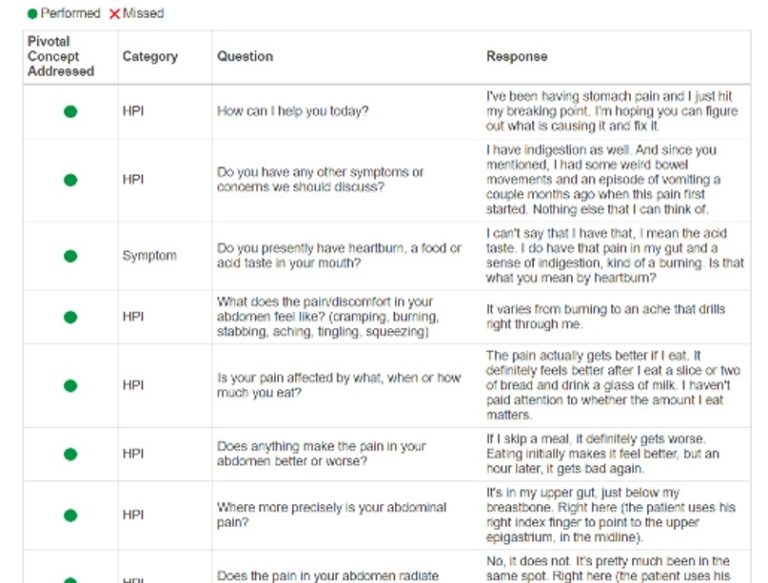
George Bailey is a 50-year-old male with osteoarthritis and dyslipidemia who presents with several weeks of abdominal pain and dyspepsia. His pain is burning and improves with eating and antacids. Several months ago he had melena and an episode of coffee-ground emesis, both of which have resolved. He drinks seven to ten beers per week and has a 30-pack-year smoking history. He takes aspirin for primary cardiovascular disease prevention and takes ibuprofen for knee pain. On exam, he is afebrile with stable vitals. He has epigastric tenderness and no signs of acute blood loss.
Based on the interview history and physical examination findings for iHuman George Bailey 50 year old patient with abdominal pain, here are the pertinent key findings listed from most important to least important:
Epigastric Pain: The patient reports chronic, burning to aching epigastric pain that fluctuates in intensity but is persistently present. It improves temporarily after eating but worsens an hour later.
Black Bowel Movements: History of black, tar-like bowel movements a few months ago, which could indicate melena, a sign of upper gastrointestinal bleeding.
Moderate Epigastric Tenderness on Physical Examination: This finding during deep palpation aligns with his reported location of pain and supports the possibility of an underlying gastrointestinal issue.
History of Vomiting with Black Dots: Although it was a single episode, the presence of black dots could suggest digested blood, which might relate to gastrointestinal bleeding.
Indigestion and a Decreased Appetite: Reports symptoms of indigestion and a recent decrease in appetite, which are consistent with his other gastrointestinal complaints.
Hyperactive Abdominal Sounds: These could indicate increased intestinal motility, which might be associated with gastrointestinal distress.
Chronic Smoking and Alcohol Consumption: A history of smoking a pack a day for 30 years and consuming 7-10 beers per week could contribute to gastrointestinal issues, including gastritis or peptic ulcer disease.
Use of NSAIDs and Aspirin: Regular use of aspirin and ibuprofen, which are known to potentially cause gastric irritation and bleeding, especially relevant given his symptoms of epigastric pain and history of black stools.
No Significant Relief from Antacids: Indicates that the gastric acid neutralization is not sufficient to handle his symptoms, suggesting a potentially serious underlying condition.
Dyslipidemia and Osteoarthritis: Chronic conditions that indicate his general health status but are less directly related to the current gastrointestinal symptoms.
No Recent Weight Loss or Significant Change in Bowel Habits: While he has chronic abdominal symptoms, the lack of these particular systemic symptoms may narrow down the differential diagnoses.