


4 January 2026
No Comments
iHuman assignment
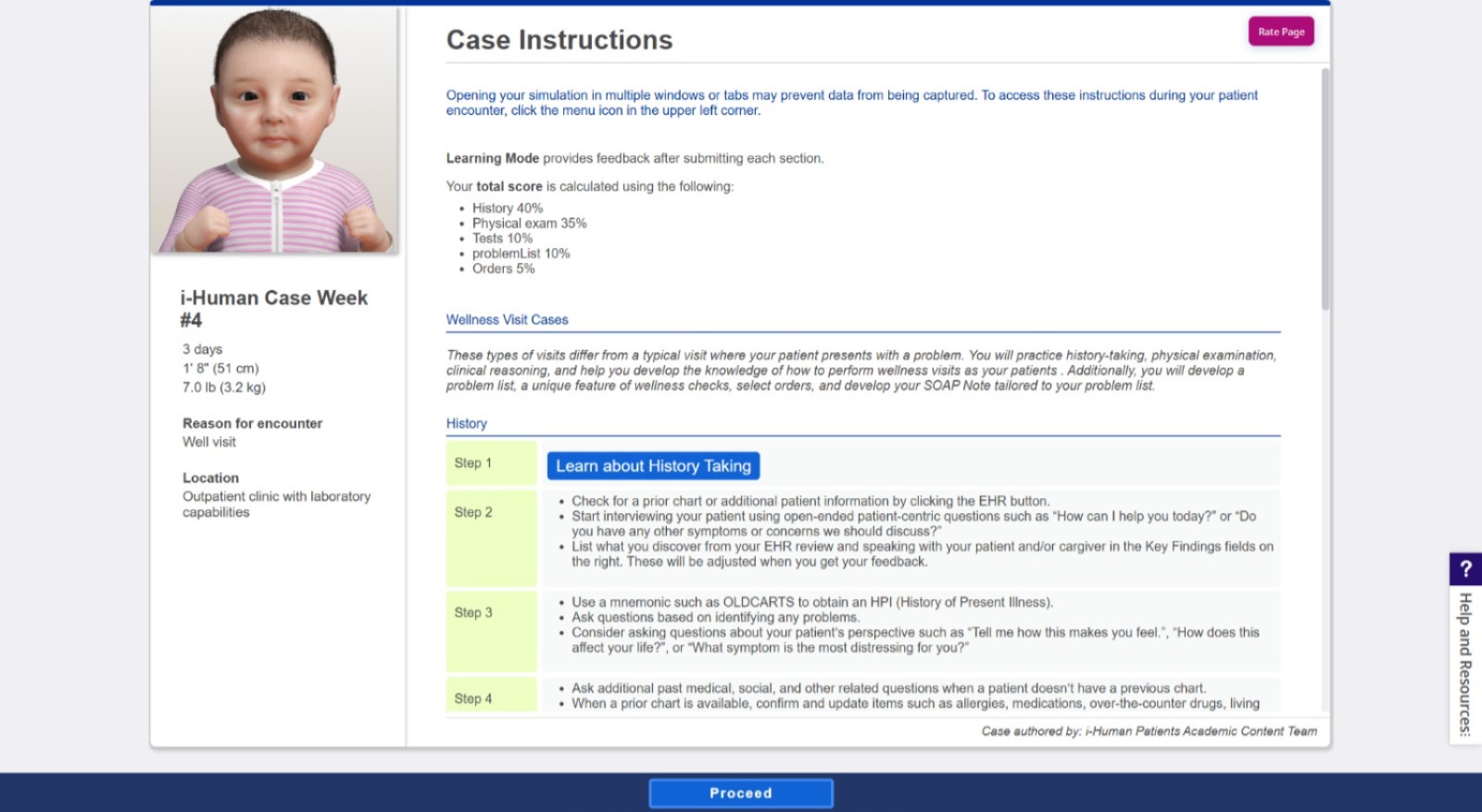
iHuman Archer Cohen Follow-up for jaundice
3 days old
Mother: Amanda Cohen
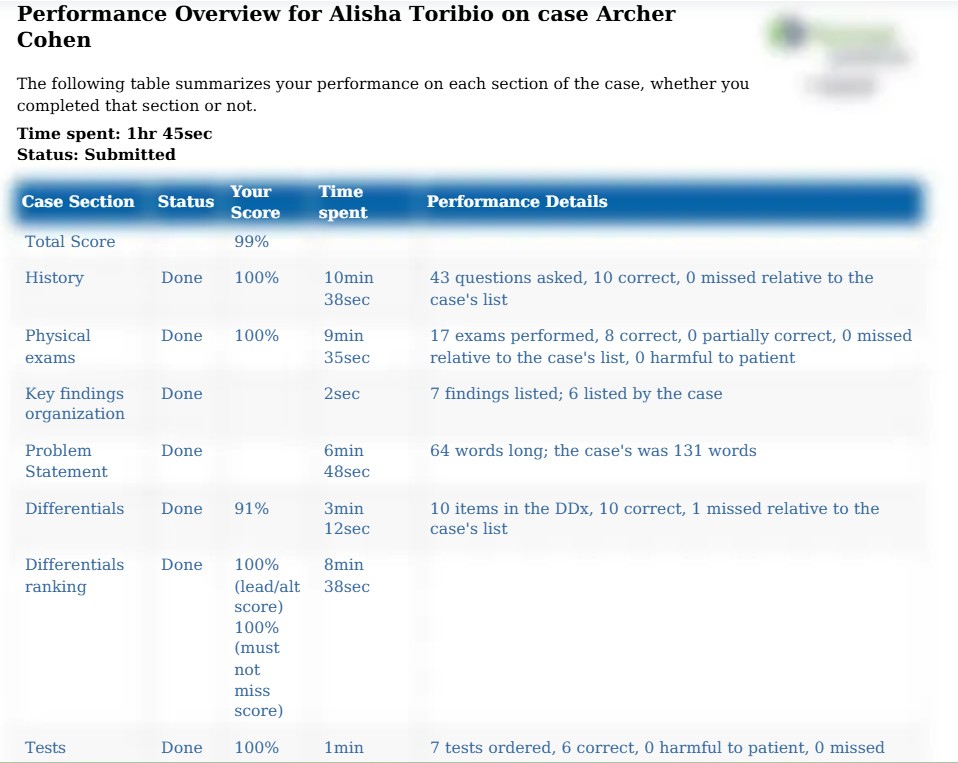
i-Human Archer Cohen case
Reason for encounter: follow-up for jaundice
A 3-day-old infant presenting with jaundice, this assessment covers key symptoms like yellowing eyes, weight loss, and decreased diaper output. It includes differential diagnoses such as neonatal jaundice related to breastfeeding, physiologic jaundice, and Polycythemia Vera. The comprehensive plan emphasizes monitoring, re-checking bilirubin levels, and ensuring adequate hydration.
iHuman Case follow up for jaundice
Physical Exams Required
- Weight
- Height
- cognitive status
- SpO2
- temperature
- blood pressure
- pulse
- respiration
- temperature
- auscultate heart
- auscultate lungs
- inspect …….
iHuman Archer Cohen 3 Days Old Follow Up for Jaundice Answers: Complete Case Review
Neonatal jaundice is one of the most common reasons newborns return for early pediatric follow up visits. In the iHumanTutor case involving Archer Cohen 3 Days Old Follow Up for Jaundice Answers, learners are challenged to evaluate a newborn presenting with worsening yellow discoloration of the skin and sclera shortly after birth. This iHuman case is highly valuable for students practicing neonatal assessment, clinical reasoning, history questions, physical examination techniques, differential diagnosis development, and management planning.
Understanding the iHuman Archer Cohen Jaundice Case
The iHuman Archer Cohen scenario focuses on a 3 day old infant who presents with visible jaundice that has progressively worsened over the last day. The patient’s mother reports decreased urine output, increased fussiness, and limited breastfeeding intake due to low milk supply. These findings immediately raise concern for dehydration and inadequate caloric intake in the neonatal period.
The case encourages learners to think critically about physiologic versus pathologic jaundice. Since neonatal hyperbilirubinemia can range from a harmless transitional process to a potentially dangerous condition, students must carefully analyze the clinical presentation and prioritize appropriate next steps.
For nursing and medical students using iHuman cases, this encounter demonstrates the importance of integrating history questions with physical examination findings to build an evidence based differential diagnosis.
Key History Questions in the Archer Cohen iHuman Case
One of the strengths of the Archer Cohen follow up for jaundice case answers is its emphasis on obtaining a thorough newborn feeding and elimination history. The history questions guide learners toward identifying possible breastfeeding jaundice and dehydration.
Important clinical considerations include feeding frequency, adequacy of latch, maternal milk production, stool characteristics, urine output, birth history, gestational age, and family history of hemolytic disease. Students also learn the significance of assessing for lethargy, fever, vomiting, or signs of infection when evaluating neonatal jaundice.
Because the infant is exclusively breastfed with poor intake and decreased diaper output, the case highlights how insufficient feeding can contribute to elevated bilirubin levels during the first days of life.
Physical Examination and Differential Diagnosis
The physical examination component of the iHuman Archer Cohen case reinforces neonatal assessment skills. Learners evaluate generalized jaundice, scleral icterus, hydration status, neurologic responsiveness, abdominal findings, and overall appearance.
Notably, the patient does not demonstrate hepatosplenomegaly, congenital abnormalities, or signs of sepsis on examination. This helps narrow the differential diagnosis while teaching students how to distinguish benign neonatal jaundice from more serious underlying pathology.
The differential diagnosis section is particularly educational because it requires consideration of multiple neonatal conditions. Possible diagnoses may include physiologic jaundice, breastfeeding jaundice, breast milk jaundice, hemolytic disorders, biliary obstruction, or neonatal infection. Students must use the patient’s age, feeding history, and examination findings to determine the most likely explanation for the presentation.
Management Plan and Clinical Learning Points
The management plan in the iHuman Archer Cohen 3 days old follow up for jaundice answers case focuses on improving feeding adequacy, monitoring bilirubin levels, evaluating hydration, and preventing complications of severe hyperbilirubinemia.
This case teaches learners that early recognition and intervention are essential in newborn care. Appropriate follow up, parental education, and monitoring can prevent progression to dangerous bilirubin toxicity and neurologic injury.
Students preparing for pediatric clinicals, advanced nursing courses, or simulation based learning can benefit significantly from reviewing cases available through iHumanTutor pediatric case resources. The Archer Cohen iHuman case remains an excellent example of how neonatal assessment, differential diagnosis, and management planning are integrated in real world pediatric practice.