



14 November 2024
No Comments
iHuman assignment
FREE iHuman Practice Case Marvin Webster Answers
Marvin Webster
18 y/o
6′ 0″ (183 cm)
185.0 lb (84.1 kg)
Reason for encounter
Fatigue and cough
History & Physical Exam – Marvin Webster Jr i-Human Patients Case Study
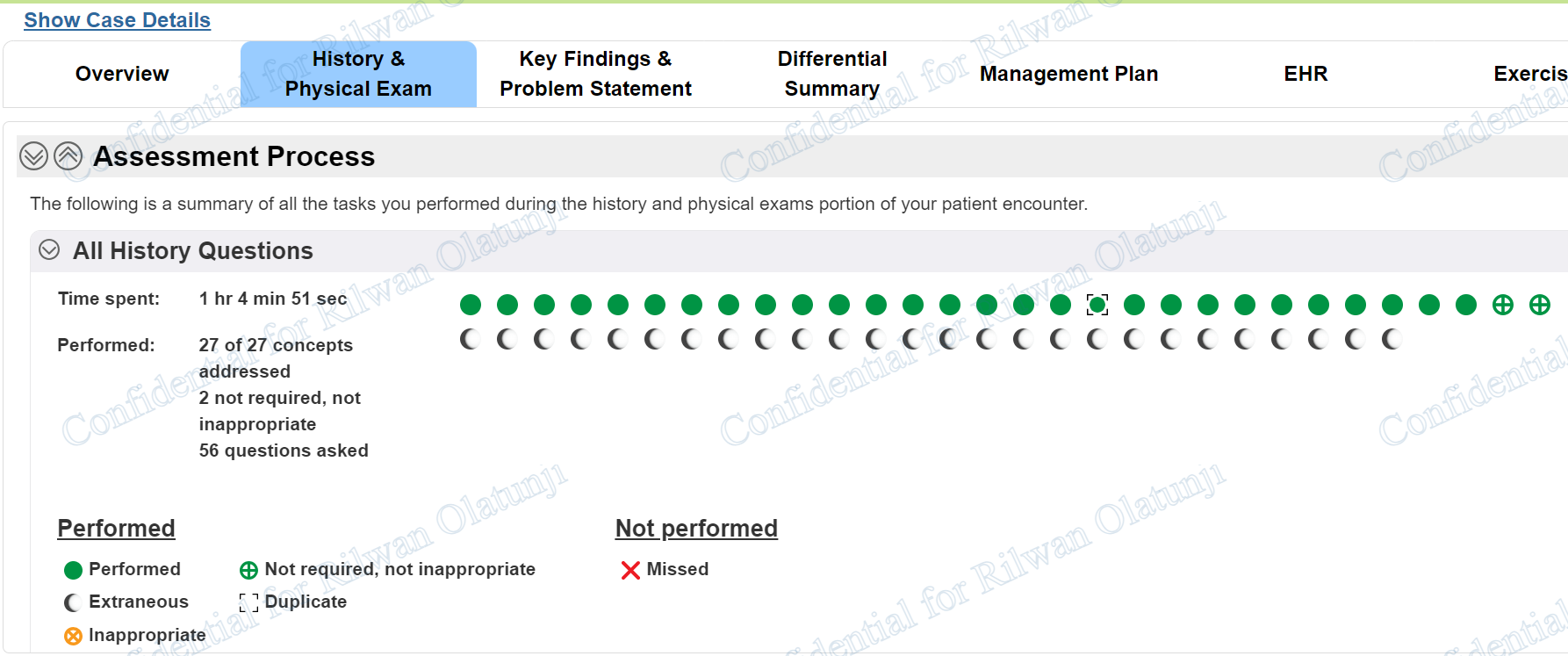
All History Questions
How can I help you today?
How does this affect your life?
When did your cough start?
Are you coughing up any sputum?
Have you had any other contact with other sick people?
Has anyone else you know developed these symptoms?
Do you have any allergies?
Have you had a flu shot this year?
Do you have a sore throat?
When did……
Text the word “Marvin Webster” to get FREE Answers for the case
All physical exams
- Temperature
- Vitals: Pulse
- Vitals: blood pressure
- Vitals: respiration
- Abdomen: Palpate abdomen
- Heart: Auscultate heart
- HEENT: Inspect mouth/Pharynx
- Neck………….
Case: Key Findings
Key Finding
- Temperature 101°F
- Tachycardia
- Dry cough
- Myalgias
- Sore throat, erythematous….
Get FREE Marvin Webster iHuman Case Answers Today!
Stuck on the Marvin Webster iHuman case or looking for expert guidance on your problem statement, EHR documentation, and management plan? You don’t have to navigate virtual patient encounters alone.
You can get the FREE case answers and complete step-by-step guides for Marvin Webster right now! Simply head over to iHuman Tutor and reach out directly to our Live Chat team. Our expert tutors are online 24/7 to help you boost your score, save time, and master your clinical case studies with confidence.
FREE iHuman Practice Case Marvin Webster Answers
18-Year-Old with Fatigue and Cough
Are you currently working through the Marvin Webster iHuman virtual patient encounter and looking for reliable, structured guidance to master your clinical reasoning and complete your Electronic Health Record (EHR) documentation?
Managing complex virtual patient cases can be time-consuming, especially when balancing detailed history taking, physical examination maneuvers, differential diagnoses, and evidence-based management plans. In this case breakdown, we provide an overview of the 18-year-old Marvin Webster case, highlighting key clinical considerations and explaining how to approach each section of the iHuman assignment successfully.
Patient Overview & Reason for Encounter
Patient Name: Marvin Webster
Age: 18 years old
Height: 6′ 0″ (183 cm)
Weight: 185.0 lb (84.1 kg)
Chief Complaint / Reason for Encounter: Acute fatigue and cough
Marvin Webster is an 18-year-old full-time university student presenting to the student health center with chief complaints of severe fatigue, a persistent cough, and associated sore throat. Understanding how to systematically gather subjective history from a young adult presenting with acute respiratory and constitutional symptoms is critical to achieving a high score on your iHuman assessment.
Navigating the iHuman Focused Health History
When evaluating a patient presenting with acute fatigue and cough, structuring your clinical questioning using the OLDCARTS framework (Onset, Location, Duration, Characteristics, Aggravating factors, Relieving factors, Timing, Severity) ensures you cover all essential diagnostic lines.
Key history-taking domains to explore during the Marvin Webster encounter include:
Symptom Onset and Progression: Identifying whether the illness began abruptly or gradually.
Cough Characterization: Differentiating between a dry, non-productive cough and a productive cough with sputum or hemoptysis.
Associated Systemic Symptoms: Inquiring about fever, subjective chills, generalized myalgias, body aches, and headaches.
Epidemiological Risk Factors & Contacts: Assessing recent exposures to sick individuals (such as dormitory roommates or classmates).
Immunization Status: Reviewing current seasonal vaccination history, including influenza and COVID-19 immunizations.
Past Medical History & Lifestyle: Evaluating underlying conditions such as childhood asthma, allergies, and living environment.
Need the exact, high-scoring history question flow for Marvin Webster? Visit iHuman Tutor to access complete case guides and step-by-step solutions.
Comprehensive Physical Examination Strategy
A focused physical examination for Marvin Webster requires a systematic head-to-toe approach targeting the upper and lower respiratory tracts, HEENT, and lymphatic system.
Crucial physical examination components to perform in this case include:
Vital Signs Assessment: Evaluating temperature for fever, heart rate for tachycardia, respiratory rate, and oxygen saturation.
HEENT & Pharyngeal Exam: Inspecting the oropharyngeal mucosa for erythema, posterior pharyngeal wall drainage, and tonsillar exudates or enlargement.
Lymphatic System: Palpating anterior and posterior cervical, supraclavicular, and occipital lymph nodes for lymphadenopathy, mobility, and tenderness.
Cardiorespiratory Assessment: Performing bilateral lung auscultation to check for clear breath sounds or adventitious sounds such as wheezing, rales, or rhonchi.
General Inspection: Observing overall patient distress, fatigue levels, and alertness.
To avoid losing points for unnecessary or omitted maneuvers, reviewing an expert physical exam checklist is essential.
Developing the Differential Diagnosis & Clinical Reasoning
Synthesizing subjective complaints and objective physical findings allows you to narrow down your differential diagnosis for an 18-year-old presenting with acute viral or bacterial upper respiratory features.
Key differential conditions to analyze in this presentation include:
Viral Respiratory Pathogens: Differentiating acute seasonal influenza infection from other viral upper respiratory infections.
Atypical or Community-Acquired Pneumonia: Assessing lower respiratory involvement and localized lung consolidation.
Streptococcal Pharyngitis: Evaluating tonsillar exudates, cervical lymphadenopathy, and Centor criteria score.
Infectious Mononucleosis: Considering Epstein-Barr Virus (EBV) in college-aged patients with prominent pharyngitis, lymphadenopathy, and severe fatigue.
Organizing pertinent positive and negative key findings effectively is the key to building an accurate problem statement and selecting the correct final diagnosis in iHuman.
Formulating an Evidence-Based Management Plan
Creating a full management plan requires addressing both pharmacologic and non-pharmacologic interventions, client education, antibiotic stewardship, and red flag follow-up guidelines:
Symptomatic Pharmacotherapy: Selecting appropriate over-the-counter antipyretics, analgesics, and cough suppressants with explicit prescription formatting (dose, route, frequency, duration, quantity, and refills).
Antiviral Clinical Decision-Making: Evaluating symptom duration (e.g., whether symptoms started within 48 hours) to determine if antiviral therapy like oseltamivir is clinically indicated.
Supportive Care & Isolation: Recommending adequate hydration, bed rest, temporary academic excuses, and infection prevention in communal living settings.
Patient Education & Red Flags: Outlining warning signs such as dyspnea, chest pain, or persistent fever that mandate immediate medical re-evaluation.
👉 Click Here to Visit iHuman Tutor & Connect to Live Chat for FREE Answers!