


19 May 2026
No Comments
iHuman assignment
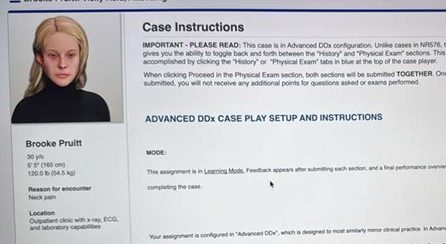
iHuman Brooke Pruitt
Neck pain
30 y/o
5′ 5″ (165 cm)
120.0 lb (54.5 kg)
Location
Outpatient clinic with x-ray, ECG, and laboratory capabilities
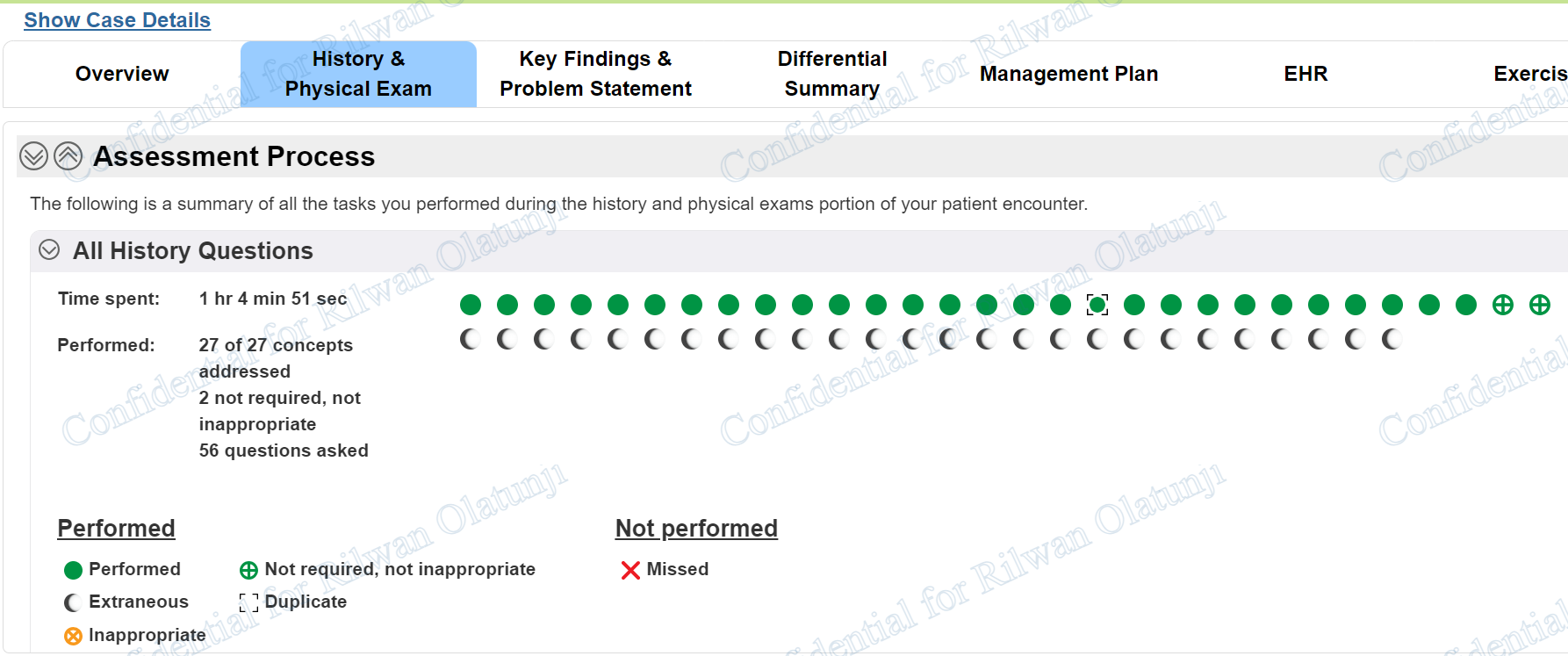
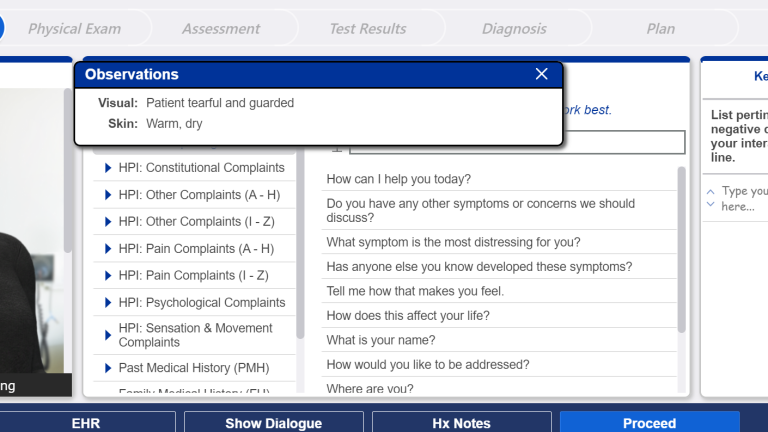
Brooke Pruitt Neck pain History Questions
- What is your name?
- How can I help you today?
- Do you have any other symptoms or concerns we should discuss?
- What happened?
- When did your neck pain feel like?
- How severe (1-10 scale) is your neck pain?
- Does your neck pain come and go?
- What are the events surrounding the start of your neck pain?
- Does anything make your neck pain better or worse?
- Where more precisely is your neck pain?
- Have you had any trauma to your head?
- Has your partner ever used physical violence against you? ……..
iHuman Brooke Pruitt neck pain Physical Exams Required
- Weight
- Height
- cognitive status
- SpO2
- temperature
- blood pressure
- pulse
- respiration
- temperature
- auscultate heart
- auscultate lungs
- …….
iHuman Brooke Pruitt 30-Year-Old Neck Pain Answers Guide
Students working through the iHuman Brooke Pruitt 30-year-old neck pain answers case quickly realize that this scenario goes far beyond a simple musculoskeletal complaint. The case challenges learners to explore patient communication, trauma-informed interviewing, psychosocial assessment, and clinical reasoning while completing a thorough evaluation.
This iHuman encounter is designed to test whether students can recognize subtle clinical cues while building trust with the patient. Many learners focus only on the complaint of neck pain and miss the deeper clinical significance behind the history questions, emotional responses, and physical examination findings.
If you are preparing for this case, this guide will help you understand how to approach the encounter, organize your assessment, and improve your documentation skills.
Understanding the Brooke Pruitt iHuman Case
The Brooke Pruitt case begins as a straightforward outpatient visit involving neck pain. However, the patient interview gradually reveals a much more complex social and emotional context. Students must carefully gather information while maintaining therapeutic communication and professional judgment.
The encounter emphasizes several advanced nursing and medical competencies, including:
Building rapport during sensitive discussions
Performing a focused but comprehensive history
Identifying psychosocial stressors
Completing an appropriate physical examination
Developing differential diagnosis considerations
Creating an evidence-based management plan
The case is commonly assigned in advanced health assessment, family nurse practitioner, PMHNP, and primary care courses because it integrates both physical and behavioral health assessment skills.
Students searching for iHuman answers and case study support often struggle with deciding which history questions are most important and how to document the encounter properly in EHR format.
Why the History Questions Matter
One of the most important parts of the Brooke Pruitt encounter is the interview process. The patient initially minimizes several concerns. Because of this, learners must ask detailed follow-up questions to uncover clinically relevant information.
The history questions in this case evaluate the student’s ability to:
Explore symptom onset and progression
Clarify pain characteristics using OLDCARTS
Assess psychosocial stressors
Screen for trauma and safety concerns
Evaluate emotional and behavioral symptoms
Obtain occupational and social history
Identify risk factors affecting overall health
The interview portion also tests whether the learner can remain empathetic and nonjudgmental while discussing difficult topics. This is a major component of the grading criteria in many iHuman assignments.
Physical Examination Approach
The physical examination in the Brooke Pruitt iHuman case requires attention to detail and proper sequencing. Students are expected to complete a focused examination while still recognizing the need for broader assessment findings.
The examination often includes:
HEENT and neck assessment
Musculoskeletal evaluation
Skin inspection
Neurologic assessment
Psychiatric observations
General constitutional assessment
Many students lose points because they fail to document findings correctly or miss important components of the physical examination workflow. Thorough inspection, palpation, and symptom correlation are essential for success in this case.
Differential Diagnosis Considerations
Another major challenge in the Brooke Pruitt 30-year-old neck pain answers case is developing an accurate differential diagnosis list. Learners must think critically about traumatic, musculoskeletal, neurologic, and psychosocial causes of symptoms.
Strong differential diagnosis documentation should include:
Supporting clinical evidence
Relevant positive findings
Pertinent negative findings
Risk factors
Appropriate prioritization of diagnoses
The goal is not simply choosing one diagnosis. Instead, students must demonstrate sound clinical reasoning throughout the assessment process.
Developing the Management Plan
The management plan section is where many students struggle most. The Brooke Pruitt case requires a detailed, patient-centered plan that addresses physical symptoms, emotional health, safety considerations, and follow-up care.
A strong management plan typically includes:
Diagnostic considerations
Medication recommendations
Referrals and consultations
Client education
Follow-up instructions
Red flag symptom counseling
Evidence-based rationale is especially important when documenting treatment decisions in advanced nursing programs.
Final Thoughts on the Brooke Pruitt iHuman Case
The Brooke Pruitt iHuman encounter is designed to assess much more than neck pain evaluation skills. It tests communication, emotional intelligence, clinical reasoning, and comprehensive patient assessment abilities.
Students who perform well on this case usually succeed because they:
Ask thorough history questions
Recognize subtle psychosocial clues
Perform a systematic physical examination
Document clearly in EHR format
Develop detailed differential diagnoses
Create individualized management plans
If you are reviewing the Brooke Pruitt 30 year old neck pain answers case, focus on understanding the patient story rather than memorizing answers. That approach will improve both your iHuman performance and your real-world clinical assessment skills.