


1 October 2026
No Comments
iHuman assignment
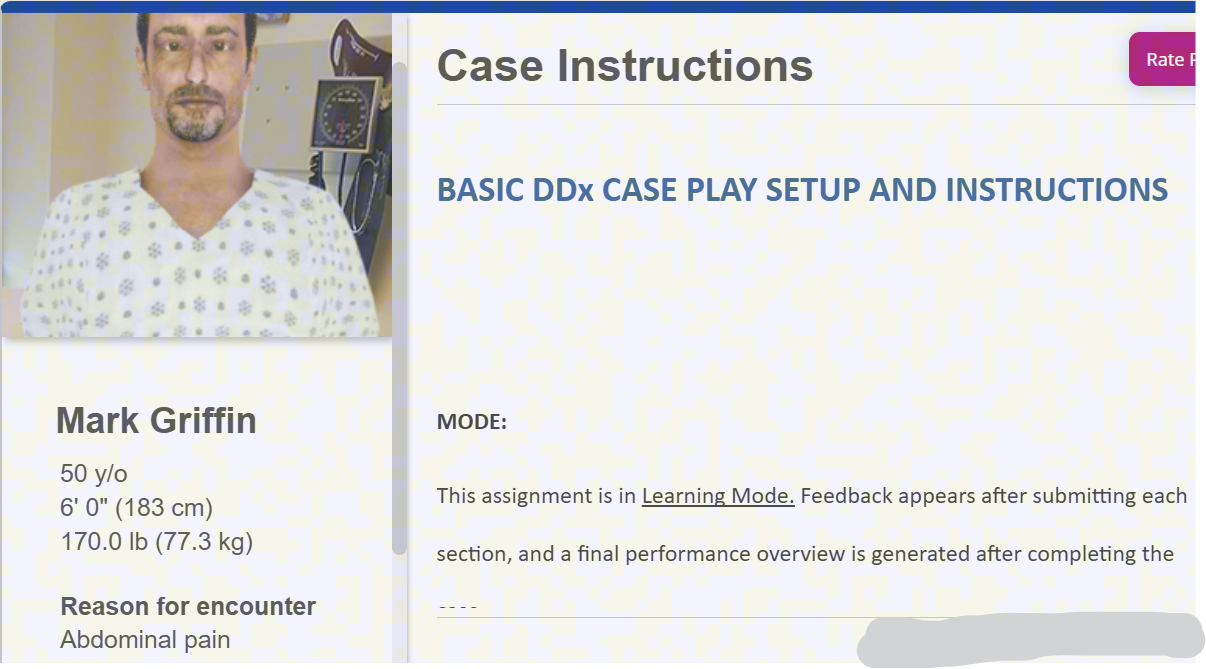
iHuman Mark Griffin abdominal pain answers
50 y/o 6’0” (183 cm) 170.0 lb (77.3 kg)
Reason for encounter: abdominal pain
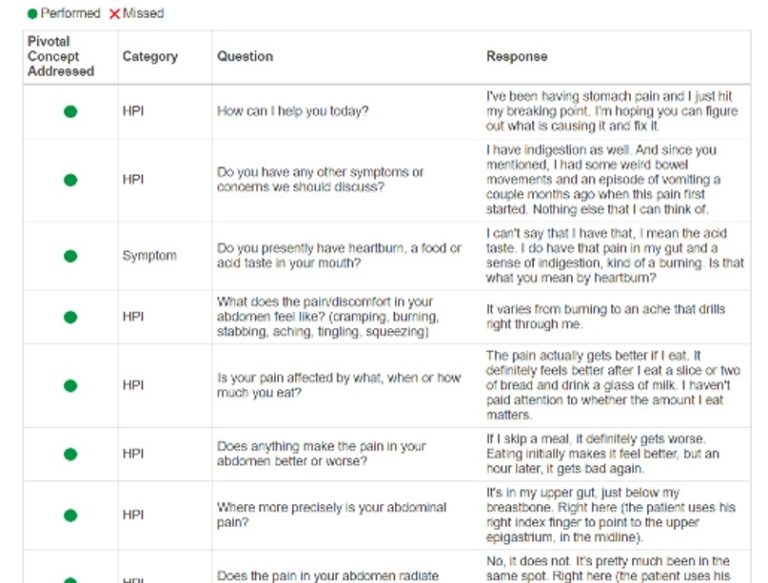
iHuman Mark Griffin History Questions
- How can I help you today?
- Do you have any other symptoms or concerns we should discuss?
- Do you have any allergies?
- What does the pain/discomfort in your abdomen feel like? cramping, burning, stabbing, aching, tingling, squeezing?
- Is your pain affected by what, when or how much you eat?
- Where more precisely is your abdominal pain?
- Does the pain in your abdomen radiate someplace else? Where?
- Does anything make the pain in your abdomen better or worse?
Physical Exams Required
- Weight
- Height
- cognitive status
- SpO2
- temperature
- blood pressure
- pulse
- respiration
- temperature
- auscultate heart
- auscultate lungs
- assess …….
Navigating the iHuman Case of Mark Griffin: Epigastric Abdominal Pain Walkthrough
When evaluating complex virtual patient encounters in nursing and nurse practitioner programs, few clinical scenarios test your diagnostic reasoning quite like an iHuman simulation involving acute-on-chronic upper gastrointestinal discomfort. A prime example that many advanced practice nursing students encounter is Mark Griffin, a 50 year old male presenting with persistent upper abdominal pain.
Mastering the clinical workflow for this case requires a meticulous approach—from asking the right history questions and conducting a targeted physical examination to building a prioritized differential diagnosis and executing an evidence-based management plan. Below is an overview of how to navigate this clinical simulation successfully and achieve top marks.
Patient Overview: Uncovering Mark Griffin’s Chief Complaint
When launching the Mark Griffin case on the iHuman platform, your initial interaction centers on a 50-year-old male who reaches out due to distressing epigastric discomfort. He reports that his burning stomach pain has reached a breaking point, accompanied by vague dyspeptic symptoms and indigestion.
To score high on your clinical communication evaluation, you must systematically explore the timeline of his symptoms. His chief complaint involves continuous, fluctuating burning discomfort localized just below the breastbone, interspersed with intermittent episodes of nausea. Digging deeper into his health background reveals critical background factors, including daily reliance on over-the-counter NSAIDs for joint discomfort, low-dose daily aspirin, a long-term smoking history, and routine alcohol intake—all of which serve as major clinical clues toward narrowing down the underlying etiology.
Master the Interview: Essential iHuman History Questions
Achieving a 100% score on the history-taking section of iHuman requires asking structured, high-yield questions using frameworks like OLDCARTS (Onset, Location, Duration, Characteristics, Aggravating factors, Relieving factors, Treatment, Severity).
For Mark Griffin, key history questions must focus on:
Symptom Modifiers: Investigating how food consumption and common antacids affect his pain levels (e.g., whether meals temporarily soothe the pain or make it worse after a delay).
GI Bleeding Screen: Screening for past red flag events, such as coffee-ground emesis or dark, tarry stools (melena).
Medication Audit: Cataloging all prescription, over-the-counter, and cardioprotective medication habits.
Lifestyle Risk Factors: Quantifying tobacco exposure (pack-years) and alcohol consumption frequency.
Missing key history questions in iHuman can severely reduce your patient encounter percentage. Utilizing an expert review guide or full case breakdown ensures you ask every scored question without wasting clinical points.
Targeted Physical Examination Findings
Once history taking is complete, transitioning to the physical exam tab requires selecting targeted, system-specific assessments. In this case, performing unnecessary or non-focused exams can penalize your overall reasoning score.
Primary physical examination focus areas include:
Vital Signs & Hemodynamic Stability: Confirming baseline blood pressure, heart rate, and oxygenation status.
Abdominal Assessment: Performing systematic light and deep palpation across all four quadrants to evaluate for epigastric tenderness, voluntary or involuntary guarding, rebound tenderness, or organomegaly.
Rectal Examination & Stool Testing: Conducting a digital rectal exam (DRE) to evaluate stool color and performing a fecal occult blood test (FOBT) to assess for active, hidden gastrointestinal bleeding.
General & Cardiopulmonary Screening: Rule out referred pain sources or systemic signs of distress.
Formulating the Differential Diagnosis & Diagnostic Plan
After gathering subjective and objective data, iHuman requires you to generate and rank a solid differential diagnosis.
For a 50-year-old male presenting with chronic epigastric pain, relief with food or antacids, NSAID exposure, and a positive history of upper GI bleeding, key conditions to analyze include:
To confirm the definitive diagnosis, ordering targeted non-invasive diagnostic tests is essential for completing the case accurately.
Crafting an Evidence-Based Management Plan
The final phase of the simulation demands a comprehensive, executive-level management plan. This section evaluates your ability to prescribe appropriate pharmacotherapy, order diagnostic follow-ups, adjust unsafe medication regimens, and provide patient-centered education.
A robust management plan for this scenario covers six core pillars:
Pharmacological Interventions: Prescribing evidence-based 14-day H. pylori eradication regimens (combining acid suppression via PPIs with dual antibiotic therapy).
Medication Modifications: Discontinuing gastro-irritating agents like oral NSAIDs and non-essential primary prevention aspirin while substituting safer topical analgesics.
Subspecialty Referrals: Coordinating outpatient gastroenterology consults for elective endoscopic visualization.
Patient Education & Lifestyle Support: Providing guidance on medication adherence, dietary trigger avoidance, and tobacco cessation.
Red Flag Safety Netting: Instructing the patient on warning signs that mandate immediate emergency medical re-evaluation.
Follow-Up Protocols: Setting clear timelines for clinical re-evaluation and post-treatment test-of-cure validation.
Ace Your iHuman Assignments with iHumanTutor
Balancing clinical rotations, coursework, and complex virtual simulations like Mark Griffin can feel overwhelming. If you want to ensure top grades on your case studies, SOAP notes, and EHR documentation without spending hours guessing the right answers, expert help is available.
At iHumanTutor, we specialize in providing comprehensive guidance, verified case breakdowns, and guaranteed success for nursing students navigating the iHuman platform.
Whether you need step-by-step coaching on building bulletproof differential diagnoses or complete assignment support, visit https://ihumantutor.com today to order expert case solutions and secure an A on your next clinical simulation!