




3 August 2026
1 Comment
iHuman assignment
iHuman George Bailey abdominal pain answers
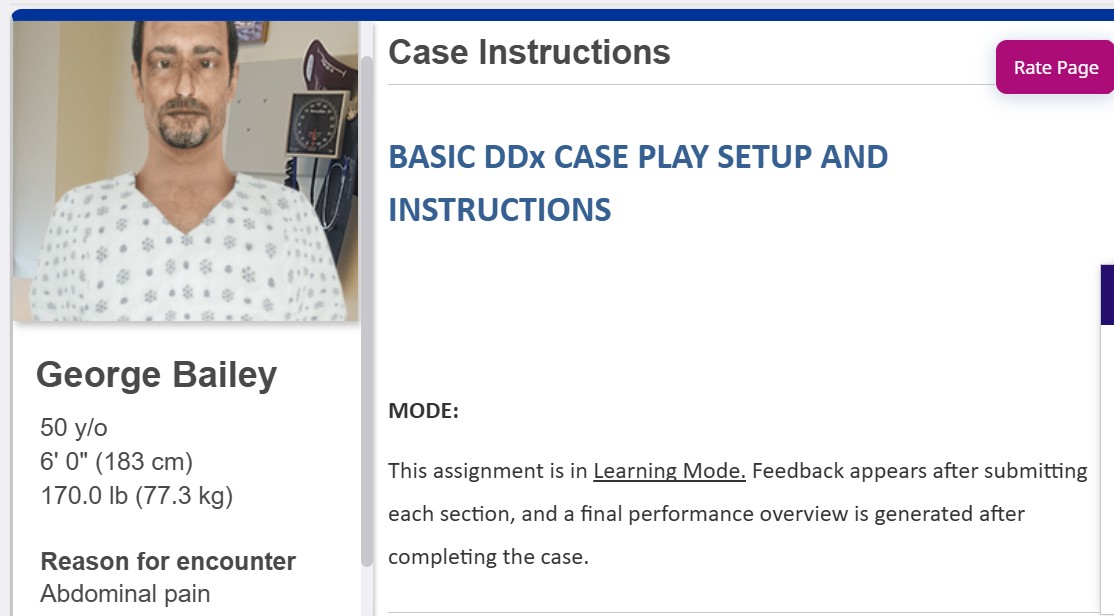
50 y/o 6’0” (183 cm) 170.0 lb (77.3 kg)
Reason for encounter: abdominal pain
iHuman George Bailey History Questions
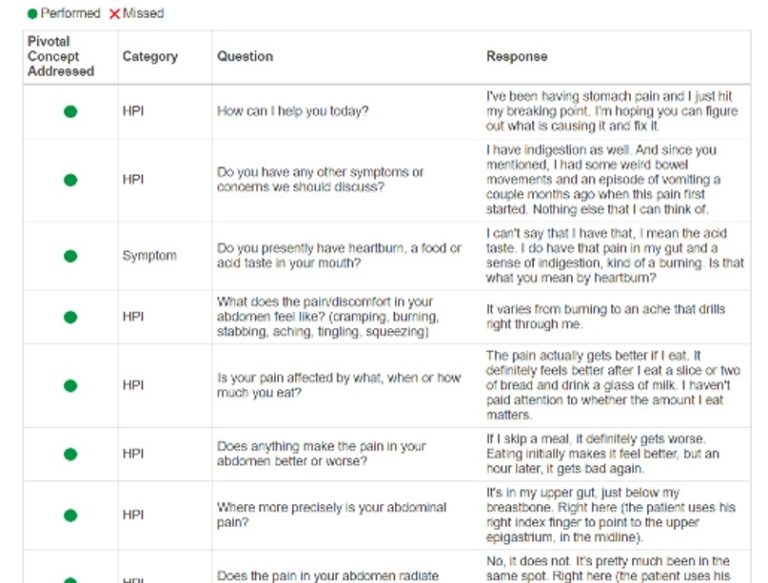
- How can I help you today?
- Do you have any other symptoms or concerns we should discuss?
- Do you have any allergies?
- What does the pain/discomfort in your abdomen feel like? cramping, burning, stabbing, aching, tingling, squeezing?
- Is your pain affected by what, when or how much you eat?
- Where more precisely is your abdominal pain?
- Does the pain in your abdomen radiate someplace else? Where?
- Does anything make the pain in your abdomen better or worse?
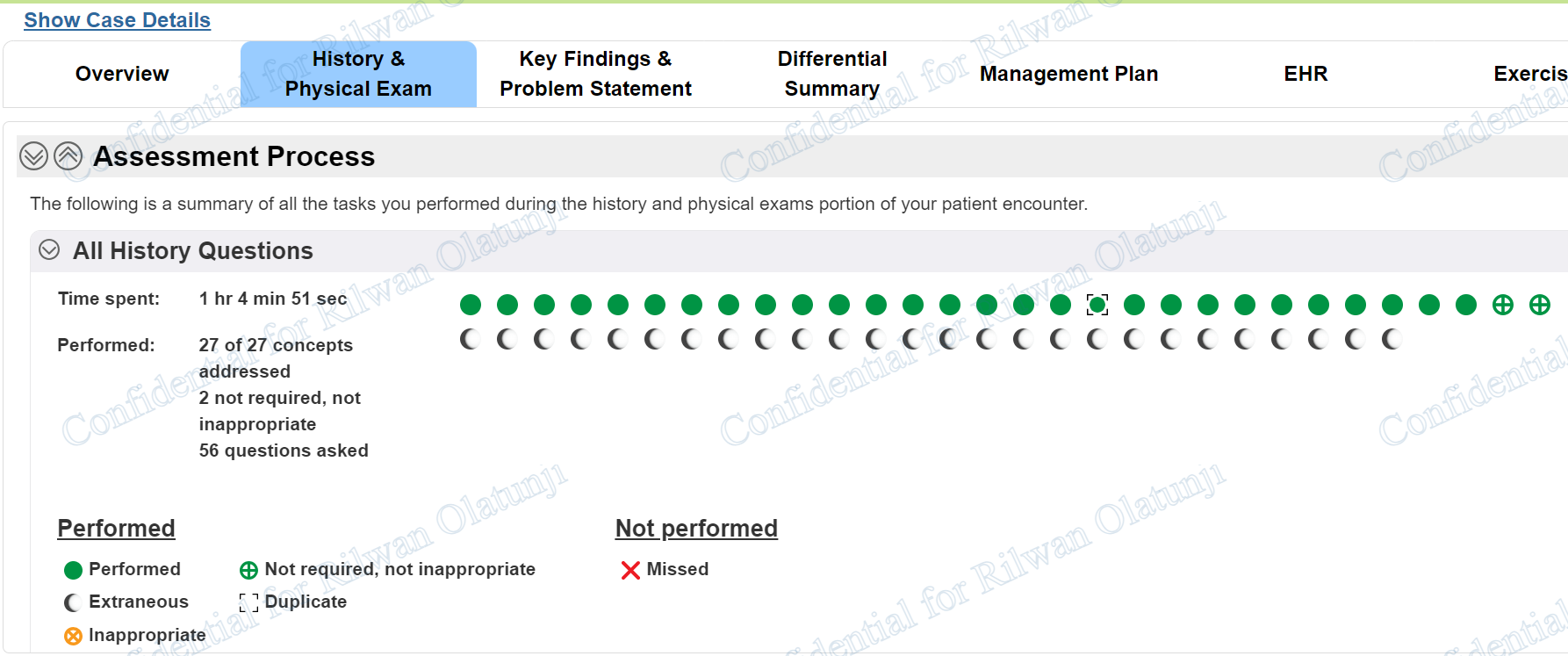
Physical Exams Required
- Weight
- Height
- cognitive status
- SpO2
- temperature
- blood pressure
- pulse
- respiration
- temperature
- auscultate heart
- auscultate lungs
- assess …….
Navigating the iHuman George Bailey Case: 50-Year-Old Male with Abdominal Pain
Clinical virtual simulations like iHuman present nursing and medical students with realistic, complex patient encounters designed to test history taking, physical assessment, and clinical reasoning. One of the most frequently assigned cases is George Bailey, a 50-year-old male presenting with persistent abdominal pain.
Mastering this case requires a structured clinical approach—from asking targeted history questions and conducting a focused physical examination to formulating a sharp differential diagnosis and an evidence-based management plan. Below is an overview of the key clinical themes in the George Bailey case and how to approach it efficiently to score top marks on your assessment.
Case Overview: Chief Complaint & Clinical Presentation
In this simulation, George Bailey, a 50-year-old patient, seeks medical evaluation for upper abdominal discomfort that has been bothering him for several months. While the complaint seems straightforward at first glance, a deep dive into his history reveals critical subtle findings that dramatically narrow your diagnostic focus.
When evaluating a middle-aged patient with chronic epigastric discomfort, your primary goal in iHuman is to uncover key pattern-recognition clues:
How does the pain behave relative to food intake or fasting?
Are there underlying risk factors such as prescription or over-the-counter medication use?
Has the patient experienced any prior alarm symptoms indicating gastrointestinal mucosal injury or bleeding?
Identifying these subtle clinical details during the virtual encounter is vital for building an accurate diagnostic baseline. If you are looking for complete, step-by-step guidance on navigating every prompt in this case, check out the comprehensive iHuman George Bailey Abdominal Pain Answers resource.
History Questions: What to Ask During the Encounter
To score high on the history taking section of iHuman, you must follow a systematic framework like OLDCARTS (Onset, Location, Duration, Character, Aggravating factors, Relieving factors, Radiation, Timing, and Severity).
Key areas to explore with George Bailey include:
Pain Trajectory & Behavior: Inquire specifically about what makes the pain better or worse. Note whether eating food or taking antacids provides temporary relief or worsens the burning sensation.
Medication & Substance History: Carefully screen for daily over-the-counter analgesic use (such as NSAIDs or aspirin) and quantify tobacco and alcohol consumption. Dual exposure to mucosal irritants significantly elevates the risk of peptic pathology.
Review of Systems (ROS): Screen for key upper GI symptoms, including nausea, appetite changes, early satiety, and any history suggestive of coffee-ground emesis or dark, tarry stools (melena).
Uncovering these historical findings allows you to categorize the patient’s risk level and prepare for the objective evaluation phase.
Physical Examination Highlights
A thorough physical examination in iHuman ensures you do not miss critical objective findings while ruling out acute surgical abdomen or severe hemodynamic compromise.
When evaluating George Bailey, ensure your objective assessment covers:
Vital Signs: Assess for hemodynamic stability, paying close attention to blood pressure, heart rate, and tissue perfusion markers.
Abdominal Examination: Perform systematically starting with inspection, followed by auscultation for bowel sound activity, and targeted light and deep palpation to localize epigastric tenderness versus peritoneal signs (guarding or rebound).
Rectal Examination: A digital rectal exam (DRE) paired with occult blood testing is an essential component when evaluating patients with a history suggestive of prior GI bleeding.
Developing the Differential Diagnosis
Formulating a strong differential diagnosis in virtual patient simulations requires weighing classic symptom patterns against patient-specific risk factors.
For a 50-year-old male presenting with burning epigastric discomfort influenced by meals, your differential list should evaluate:
Acid-peptic disorders affecting the gastric or duodenal mucosa.
Infectious etiologies, particularly bacterial colonization linked to mucosal inflammation.
Medication-induced mucosal injury secondary to systemic cyclooxygenase inhibition.
Less common structural or functional dyspeptic conditions.
Synthesizing these possibilities based on your history and exam findings is the bridge to ordering appropriate diagnostic lab tests.
Diagnostic Testing & Comprehensive Management Plan
Once your diagnostic hypotheses are formed, selecting high-yield diagnostic tests is the next step. In acid-peptic and mucosal cases, diagnostic strategies focus on:
Identifying specific bacterial pathogens via non-invasive stool or breath testing.
Checking baseline blood counts to rule out underlying anemia from subacute mucosal blood loss.
Referral for endoscopic evaluation when indicated to visually evaluate mucosal integrity.
An evidence-based management plan for this presentation typically incorporates multi-drug eradication regimens if infection is confirmed, acid suppression therapy, medication reconciliation (stopping offending NSAIDs/aspirin), and clear patient education on lifestyle modifications and return precautions (“red flags”).
Get Complete, Verified iHuman Case Solutions
Navigating virtual patient cases can be time-consuming, and missing a single history question or physical exam step can lower your final score. If you want verified clinical guidance, expertly written problem statements, and exact diagnostic breakdown for this patient, visit iHumanTutor.com.
Get instant access to the complete solution key by visiting the dedicated page for iHuman George Bailey Abdominal Pain Answers and boost your simulation performance today!



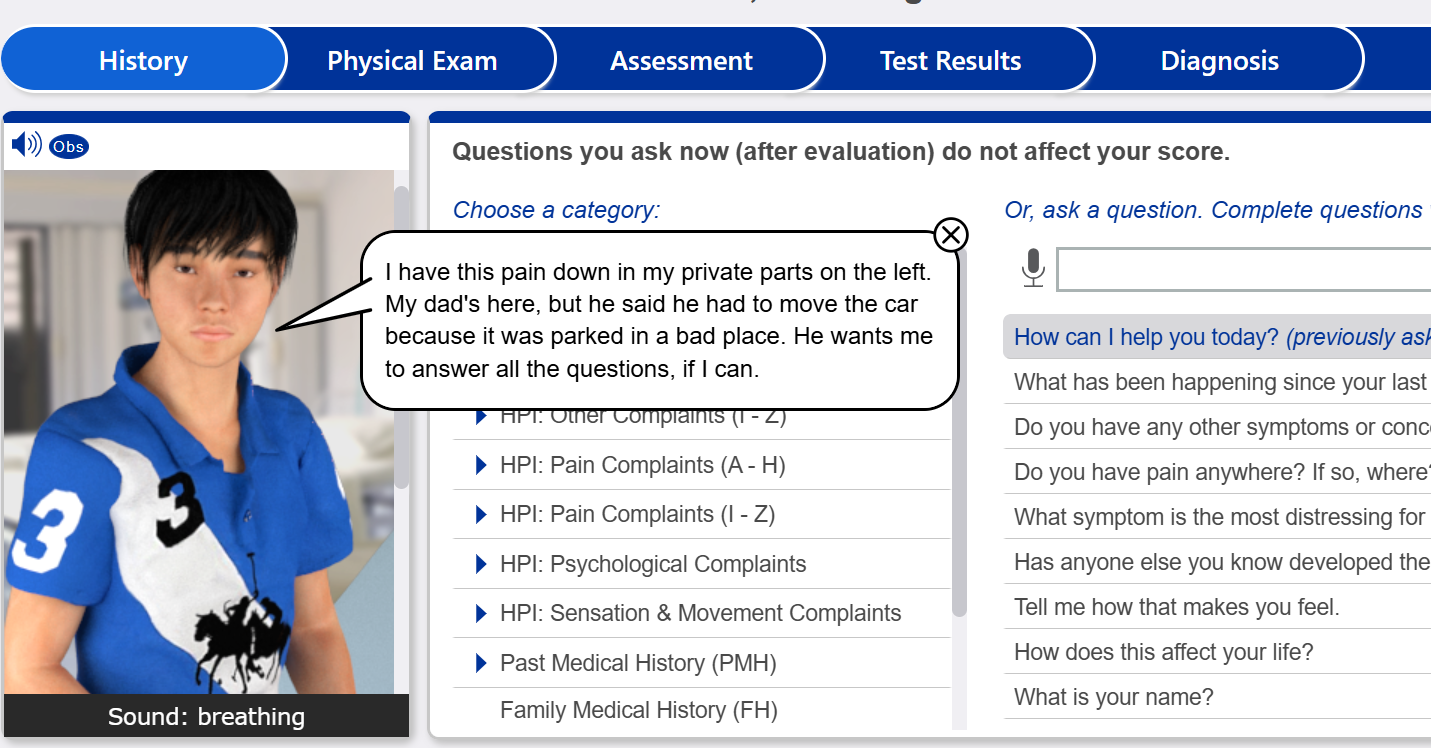
iHuman Mark Griffin abdominal pain answers - iHuman Assignment Help & Tutor
1 October 2026[…] step-by-step guidance on navigating every prompt in this case, check out the comprehensive iHuman George Bailey Abdominal Pain Answers […]