


15 June 2026
No Comments
iHuman assignment
iHuman Buddy Theodore kindergarten well-child 5 year old answers
iHuman Buddy Theodore kindergarten well-child 5 year old answers
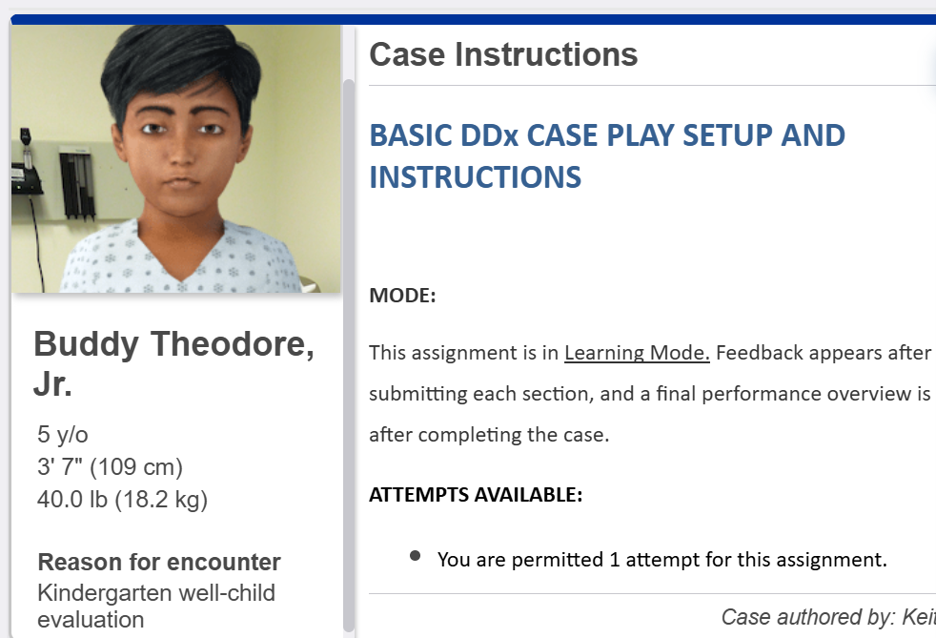
Reason for encounter: Kindergarten well-child evaluation
5 y/o
3′ 7″ (109 cm)
40.0 lb (18.2 kg)
iHuman kindergarten well child Buddy Theodore, Jr. answers History Questions
- How can I help him today? (Mother)
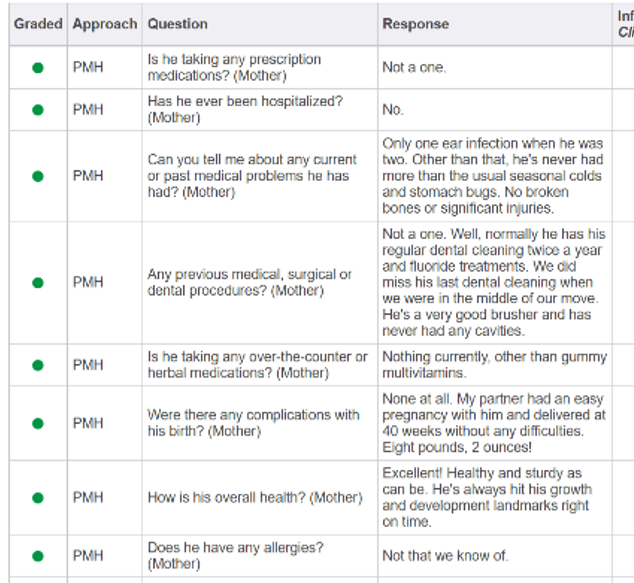
- Is he taking any prescription medications? (Mother)
- Has he ever been hospitalized? (Mother)
- Can you tell me about any current or past medical problems he has had? (Mother)
- Any previous medical, surgical or dental procedures? (Mother)
- Is he taking any over-the-counter or herbal medications? (Mother)
- Were there any complications with his birth? (Mother)
- How is his overall health? (Mother)
- Does he have any allergies? (Mother)
- Tell me about the health of his grandparents, parents and children. (Mother)
- ….
iHuman Buddy Theodore, Jr. kindergarten well-child answers
Physical Exams
- Weight
- Height
- cognitive status
- SpO2
- temperature
- blood pressure
- pulse
- respiration
- temperature
- auscultate heart
- auscultate lungs
- assess …….
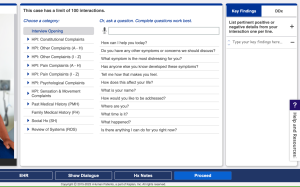
iHuman Buddy Theodore Kindergarten Well Child 5 Year Old Answers: Complete Case Summary
Students working through the iHuman Buddy Theodore case quickly discover that this encounter differs from many symptom based clinical scenarios. Rather than presenting with an acute illness, Buddy Theodore is a healthy 5 year old child attending a Kindergarten well-child evaluation after recently relocating with his family. This case challenges learners to demonstrate proficiency in pediatric history taking, preventive health assessment, developmental screening, physical examination, immunization review, and clinical decision making.
For a detailed breakdown of the case, including iHuman Buddy Theodore 5 year old answers, visit https://ihumantutor.com/ihuman-buddy-theodore-kindergarten-well-child-5-year-old-answers/.
Chief Complaint and History Questions
The patient is a 5 year old male who presents to establish care and complete a kindergarten health assessment. His caregiver reports no acute concerns and states that the child has generally enjoyed excellent health. During the iHuman history questions, students learn that Buddy recently moved with his family and missed a scheduled well-child appointment, creating uncertainty regarding whether all recommended childhood immunizations have been completed.
A comprehensive pediatric history reveals no chronic medical conditions, no medication use beyond a daily multivitamin, and no known allergies. The caregiver reports normal growth, appropriate developmental milestones, healthy eating habits, adequate sleep, regular physical activity, and successful participation in preschool activities.
The history further demonstrates the importance of obtaining information about birth history, developmental progress, family history, social environment, safety practices, and preventive healthcare utilization. These components are critical in every Kindergarten well-child evaluation because they provide insight into the child’s overall health status and school readiness.
Physical Examination Findings
One of the major learning objectives in this iHuman case involves conducting a complete pediatric physical examination. Buddy’s examination findings are reassuring across all body systems.
Vital signs fall within expected pediatric parameters for age. Height, weight, and body mass index indicate healthy growth. Examination of the head, eyes, ears, nose, and throat demonstrates no concerning findings. Cardiovascular assessment reveals appropriate heart sounds without evidence of abnormal cardiac findings. Respiratory examination shows clear breath sounds throughout all lung fields.
Abdominal assessment is benign, while musculoskeletal and neurologic evaluations demonstrate age appropriate strength, coordination, mobility, and developmental functioning. Skin examination is unremarkable, and developmental screening confirms age appropriate social, language, adaptive, and motor skills.
The physical examination highlights the importance of documenting objective findings rather than simply stating that a patient is normal.
Differential Diagnosis Considerations
Although Buddy does not present with illness related symptoms, students are still expected to formulate a differential diagnosis. This process requires consideration of potential conditions that could affect school readiness, growth, development, or preventive healthcare needs.
Common differential diagnosis considerations include developmental disorders, speech and language concerns, hearing impairment, visual deficits, growth abnormalities, congenital cardiac conditions, and gaps in preventive care. Through careful history taking, developmental screening, and physical examination, these possibilities can be systematically evaluated and either supported or ruled out.
The case reinforces an important clinical principle: even healthy appearing pediatric patients require comprehensive assessment to identify hidden concerns that may impact future health outcomes.
Management Plan and Preventive Care
The management plan focuses primarily on health maintenance and preventive care. Students must carefully review the immunization record, compare documented vaccines against current childhood immunization recommendations, and identify any outstanding preventive health needs.
Additional components of the management plan include anticipatory guidance regarding nutrition, physical activity, injury prevention, booster seat safety, helmet use, oral hygiene, sleep habits, and school readiness. The encounter also provides an opportunity to reinforce the importance of routine dental care and annual wellness visits.
No specialty referrals are typically indicated because the history, developmental assessment, and physical examination do not reveal concerns requiring further evaluation. Instead, the emphasis remains on preventive healthcare, ongoing developmental surveillance, and maintaining healthy lifestyle habits.
Educational Value of the Buddy Theodore Case
The iHuman Buddy Theodore case is an excellent example of how pediatric primary care extends beyond treating illness. Students must demonstrate competence in gathering detailed history questions, performing a thorough physical examination, interpreting developmental screening results, constructing a thoughtful differential diagnosis, and creating an evidence based management plan.
Success in this scenario depends on recognizing the significance of preventive care and understanding the comprehensive nature of a Kindergarten well-child evaluation.
For complete iHuman Buddy Theodore answers, history questions, physical examination findings, differential diagnosis discussion, and management plan guidance, visit https://ihumantutor.com/ihuman-buddy-theodore-kindergarten-well-child-5-year-old-answers/ or explore additional iHuman case resources at https://ihumantutor.com/.