


26 May 2026
No Comments
iHuman assignment
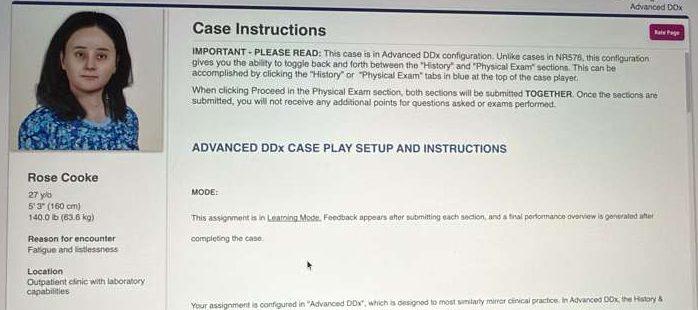
iHuman Rose Cooke Fatigue and listlessness
27 y/o
5′ 3″ (160 cm) 140.0 lb (63.6 kg)
Reason for encounter Fatigue and listlessness
Location
Outpatient clinic with x-ray, ECG, and laboratory capabilities
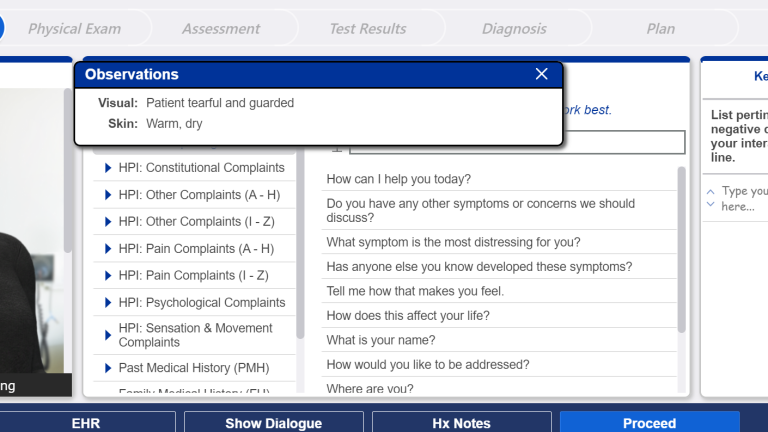
iHuman Rose Cooke Fatigue and listlessness History Questions
- How can I help you today?
- Do you have any other symptoms or concerns we should discuss?
- How would you describe your moods?
- When did your depression start?
- Has there been any change in your depression over time?
- How severe is your depression?
- Does anything make your depression better or worse?
- What treatments have you had for your depression?
- When did your fatigue/tiredness start?
- How severe is your fatigue/tiredness?
- ……..
iHuman Rose Cooke fatigue and listlessness Physical Exams Required
- Weight
- Height
- cognitive status
- SpO2
- temperature
- blood pressure
- pulse
- respiration
- temperature
- auscultate heart
- auscultate lungs
- …….
iHuman Rose Cooke 27-Year-Old Fatigue and Listlessness Case Summary
The iHuman Rose Cooke fatigue and listlessness case study presents a complex psychiatric-focused patient encounter involving a 27-year-old female with progressive emotional and physical exhaustion. This iHuman case challenges students to complete a detailed psychiatric interview, obtain focused history questions, perform a comprehensive physical examination, and develop an evidence-based differential diagnosis and management plan. The case is especially useful for students preparing for psychiatric mental health, family nurse practitioner, and primary care clinical assessments.
Rose Cooke is a 27-year-old licensed clinical social worker who presents with complaints of persistent fatigue, low mood, decreased motivation, and generalized listlessness that have progressively worsened over approximately 8–9 months. Her symptoms reportedly began after starting a stressful position at a community behavioral health clinic where she works with underserved patient populations. During the interview, the patient describes feeling emotionally drained, overwhelmed, and unable to enjoy activities that she previously found pleasurable. She also reports hypersomnia, low energy, impaired concentration, emotional numbness, and social withdrawal.
A major focus of this iHuman encounter is the detailed psychiatric history. Students are expected to ask targeted history questions related to mood disorders, sleep patterns, appetite changes, suicidality, occupational stress, and psychosocial functioning. The patient endorses passive thoughts of death without active suicidal intent or planning, making suicide risk assessment an important component of the encounter. She denies hallucinations, paranoia, delusions, manic episodes, or homicidal ideation. The history also reveals increased appetite with comfort eating behaviors, resulting in approximately 15 pounds of weight gain over several months.
The social history in this iHuman Rose Cooke case provides additional clinical relevance. The patient lives with her long-term boyfriend in a supportive relationship and reports significant emotional stress related to work responsibilities and limited patient resources. She denies current illicit drug use, tobacco use, or problematic alcohol consumption. Family history is notable for anxiety disorders in close relatives, which may contribute to psychiatric vulnerability and should be considered during diagnostic formulation.
The physical examination portion of the case requires students to perform a focused but comprehensive assessment. Key examination findings include mild psychomotor slowing, dysphoric affect, tearfulness, and soft speech. Vital signs remain stable, and no acute abnormalities are noted on cardiovascular, respiratory, abdominal, neurologic, or musculoskeletal examination. Mental status examination findings become particularly important in narrowing the differential diagnosis. The patient demonstrates intact insight, judgment, memory, and orientation despite significant emotional distress.
The diagnostic workup in this iHuman fatigue and listlessness case emphasizes the importance of excluding medical causes that may mimic psychiatric disorders. Recommended laboratory studies include thyroid function testing with TSH and Free T4, complete blood count, comprehensive metabolic panel, and vitamin B12 and vitamin D levels. These investigations help evaluate for endocrine disorders, anemia, metabolic abnormalities, or nutritional deficiencies that may contribute to depressive symptoms and chronic fatigue. Structured screening tools such as the PHQ-9 are also appropriate to quantify symptom severity and monitor treatment response over time.
An important learning objective in this case involves developing an appropriate differential diagnosis. Students are expected to consider mood disorders, endocrine abnormalities, adjustment-related conditions, and bipolar spectrum disorders while carefully evaluating symptom duration, severity, and functional impairment. The case also reinforces the importance of distinguishing emotional burnout from clinically significant psychiatric illness.
Management planning in this iHuman scenario includes both pharmacologic and nonpharmacologic interventions. Evidence-based treatment considerations include psychotherapy, lifestyle modification, stress reduction, exercise counseling, sleep hygiene education, and selective serotonin reuptake inhibitor therapy when clinically appropriate. Safety planning and close follow-up are also emphasized due to the patient’s passive suicidal ideation.
Overall, the iHuman Rose Cooke case summary and answers guide highlights the importance of comprehensive psychiatric assessment in patients presenting with fatigue and listlessness. The case integrates history questions, physical examination findings, differential diagnosis development, diagnostic workup, and management planning into a realistic outpatient behavioral health scenario. Additional iHuman case resources and study guides can be found on iHuman Tutor for students seeking support with psychiatric and primary care simulations.