


16 May 2026
No Comments
iHuman assignment
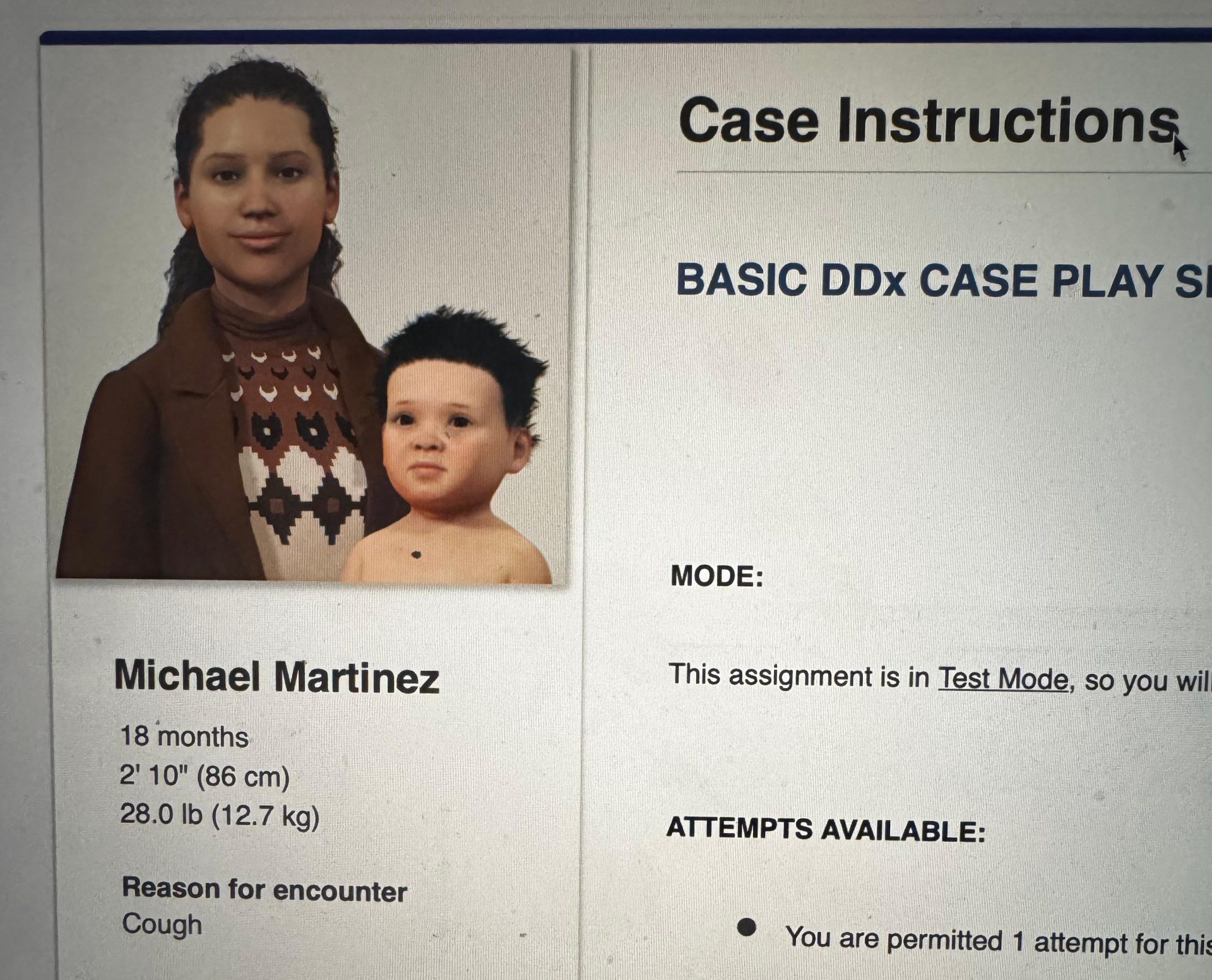
Michael Martinez
18 months
2′ 11″ (89 cm)
28.0 lb (12.7 kg)
Reason for encounter Cough
i-Human Case Michael Martinez Reason for encounter: cough
History Questions
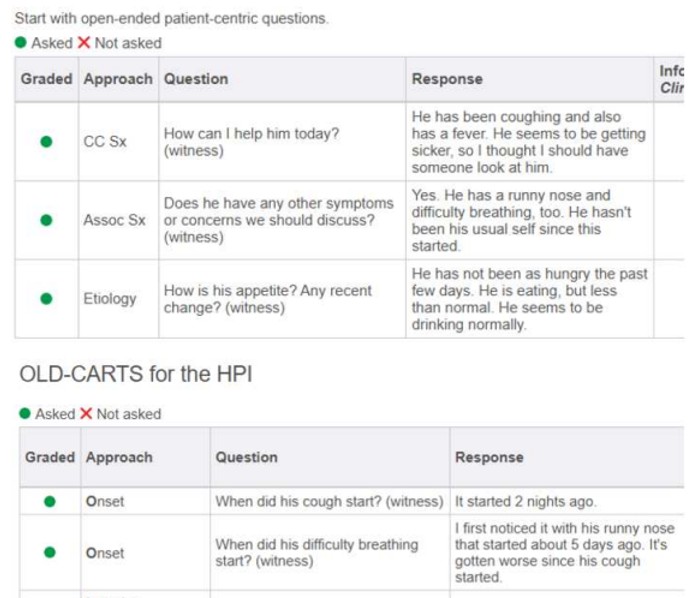
- How can I help him today? (witness)
- Does he have any other symptoms or concerns we should discuss? (witness)
- How is his appetite? Any recent change? (witness)
- When did his cough start? (witness)
- When did his difficulty breathing start? (witness)
- What does his sputum look like? (witness)
- Is he coughing up any sputum? (witness)
- Does anything make …..
i-Human Michael Martinez Reason for encounter: cough
Physical Exams Required
- Weight
- Height
- cognitive status
- SpO2
- temperature
- blood pressure
- pulse
- respiration
- temperature
- auscultate heart
- auscultate lungs
- …….
Michael Martinez iHuman Cough Case Study: 18 Months Old Pediatric Respiratory Assessment Answers
The Michael Martinez cough 18 months old answers case is an important pediatric iHuman encounter that challenges nursing and nurse practitioner students to recognize worsening respiratory illness in a toddler. This iHuman simulation focuses on history questions, physical examination findings, differential diagnosis development, and evidence-based management planning for an 18-month-old child presenting with cough, fever, and breathing difficulty.
Students completing this iHuman case must carefully interpret respiratory findings while identifying concerning signs that require escalation of care. More pediatric iHuman case support can also be found at iHuman Tutor.
iHuman Michael Martinez Cough 18 Months Old History Questions
The case begins with the caregiver reporting that Michael has been coughing, febrile, and progressively appearing sicker over the previous several days. The history questions reveal that rhinorrhea and breathing difficulty started approximately five days before presentation, while the productive cough began two days later. The caregiver reports yellow sputum production, worsening symptoms with activity, decreased appetite, and exposure to sick contacts at daycare.
An important social history finding in this Michael Martinez iHuman case is chronic exposure to secondhand cigarette smoke inside the home. This significantly increases concern for pediatric respiratory complications and recurrent airway inflammation. The caregiver also explains difficulty administering Tylenol accurately because the child spits out the medication, creating additional challenges with fever management.
The history-taking portion of this iHuman encounter emphasizes the importance of OLDCARTS assessment, pediatric symptom progression, hydration status, and environmental risk factor evaluation.
Physical Examination Findings in the Michael Martinez iHuman Case
The physical examination in this iHuman cough case contains several clinically significant respiratory findings that students must recognize promptly. Michael appears febrile, tachypneic, and in moderate respiratory distress. Examination demonstrates nasal flaring, accessory muscle use, and intercostal retractions, indicating increased work of breathing.
Pulmonary auscultation reveals bilateral expiratory wheezing along with crackles at the lung bases. Thick yellow nasal drainage and pharyngeal erythema are also present during the HEENT examination. Oxygen saturation is reduced at 92% on room air, which increases concern for worsening lower respiratory involvement in a child of this age.
Additional findings include decreased appetite, mild skin tenting, left submandibular lymphadenopathy, and irritability. Tympanic membranes remain intact without evidence of otitis media, while cardiac examination demonstrates regular rate and rhythm without murmurs or gallops.
Differential Diagnosis in the Michael Martinez iHuman Answers
This pediatric iHuman case requires development of a focused respiratory differential diagnosis based on the history questions and physical examination findings. Students should consider viral lower respiratory tract illness, reactive airway disease, pediatric pneumonia, and other causes of wheezing and respiratory distress in toddlers.
The combination of wheezing, crackles, fever, cough, hypoxemia, and respiratory distress makes lower airway pathology a major concern. Environmental tobacco smoke exposure and recent daycare illnesses further support infectious respiratory etiologies.
A key learning objective in this Michael Martinez cough 18 months old iHuman simulation is distinguishing mild upper respiratory symptoms from more serious pediatric respiratory compromise requiring closer observation and supportive intervention.
Management Plan for the Michael Martinez Cough iHuman Case
The management plan in this iHuman case focuses heavily on supportive pediatric respiratory care. Students are expected to recognize the need for oxygen monitoring, hydration assessment, respiratory reassessment, and caregiver education regarding worsening symptoms.
Education should include fever management, hydration monitoring, reducing smoke exposure, nasal suctioning techniques, and recognizing red-flag symptoms such as worsening retractions, cyanosis, lethargy, poor oral intake, or increasing respiratory distress.
This Michael Martinez iHuman cough case is an excellent learning scenario for pediatric respiratory assessment because it integrates history questions, physical examination interpretation, differential diagnosis reasoning, and evidence-based management planning into one realistic clinical encounter.