


12 May 2026
No Comments
iHuman assignment
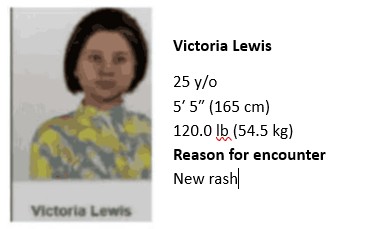
Victoria Lewis
25 y/o
5′ 5″ (165 cm)
120.0 lb (54.5 kg)
Reason for encounter
New rash
i-Human Case Victoria Lewis Reason for encounter: new rash
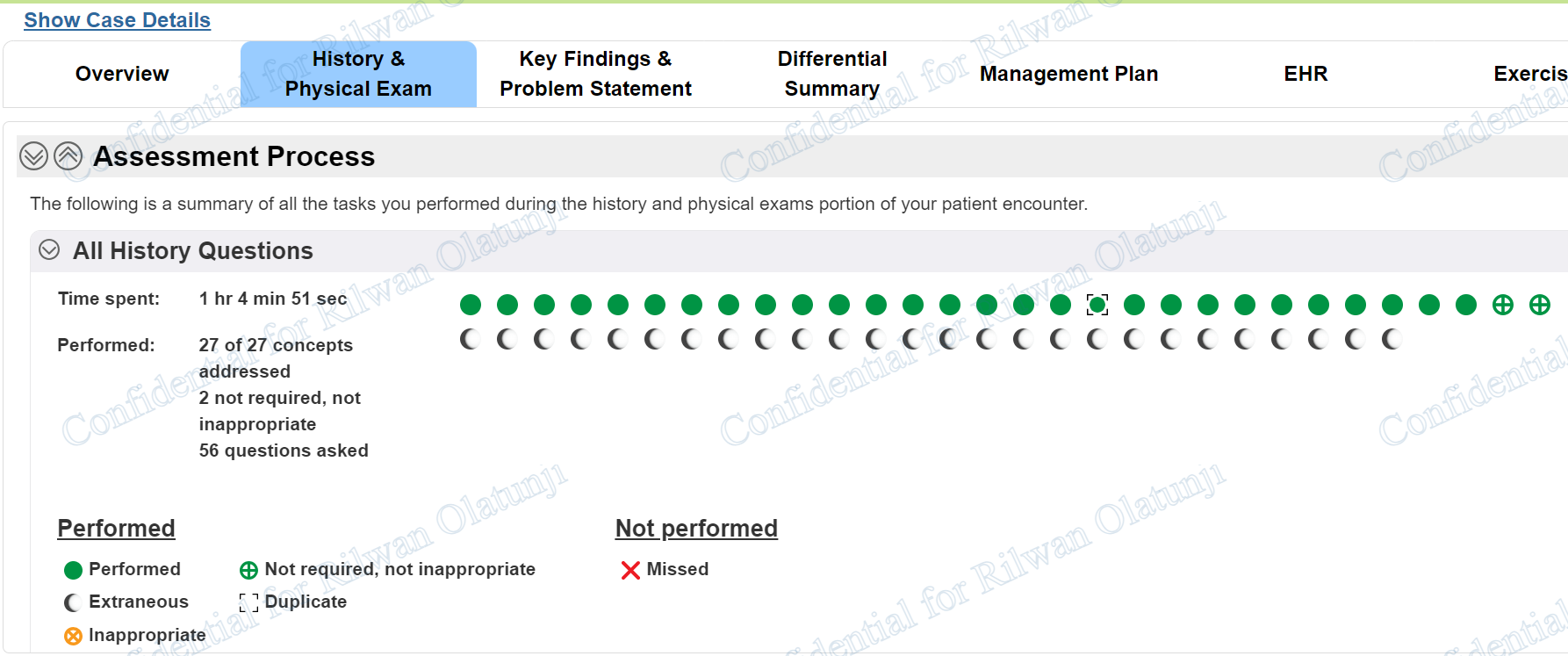
History Questions
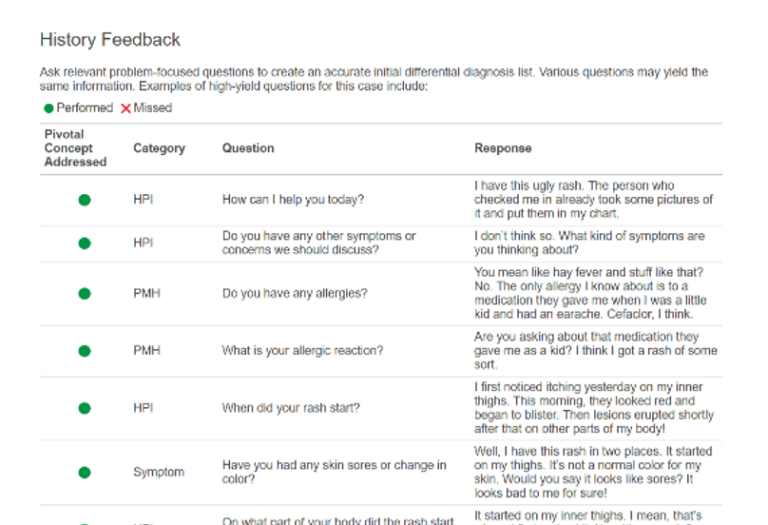
- How can I help you today?
- Do you have any other symptoms or concerns we should discuss
- When did your rash start
- What are the events surrounding the start of your rash
- Does your rash come and go
- On what part of your body did the rash start and where did it spread
- What treatments have you had for your rash
- Does anything make your rash better or worse
- Can you tell me about any current or past medical problems you have had
- …..
i-Human Victoria Lewis 25 year old Reason for encounter: New Rash
Physical Exams Required
- Weight
- Height
- cognitive status
- SpO2
- temperature
- blood pressure
- pulse
- respiration
- temperature
- auscultate heart
- auscultate lungs
- …….
Victoria Lewis
25 y/o
5′ 5″ (165 cm)
120.0 lb (54.5 kg)
Reason for encounter
New rash
The iHuman Victoria Lewis 25 y/o New Rash NR511 case study is one of the more clinically relevant dermatology simulations encountered in Week 2 advanced assessment coursework. This virtual patient scenario challenges students to connect environmental exposure history, focused skin assessment findings, and differential diagnosis reasoning in a realistic outpatient setting. Nursing and nurse practitioner students frequently search for “Victoria Lewis answers,” “new rash iHuman case,” and “NR511 Week 2 dermatology case” because the assignment requires more than memorizing textbook facts. It pushes learners to think through competing etiologies and identify the most likely diagnosis based on subtle clinical clues.
Victoria Lewis is a healthy 25-year-old female who presents with a rapidly progressing pruritic rash after a weekend getaway in Napa with her boyfriend. The patient reports hiking through wooded brush while wearing shorts and a tank top, later using a hot tub and trying scallops for the first time. During the iHuman interview, the patient repeatedly emphasizes severe itching that evolved into tenderness from scratching. She denies fever, chills, respiratory symptoms, abdominal complaints, mucosal involvement, or generalized illness, which becomes important when narrowing the differential diagnosis.
The history questions in this iHuman new rash case are especially important because they direct the provider toward exposure-related dermatitis. Learners must ask detailed questions about recent travel, outdoor activity, insect exposure, new skin products, food exposures, medication history, and progression of symptoms. The patient also reports use of a new oily suntan lotion and possible exposure to poison ivy or poison oak during “bushwhacking” through overgrown vegetation. Interestingly, her boyfriend remains asymptomatic despite participating in the same activities, suggesting an individualized hypersensitivity reaction rather than an infectious outbreak.
Physical examination findings strongly support allergic contact dermatitis. The Victoria Lewis NR511 answers guide describes bilateral inner thigh lesions measuring approximately 10 × 12 cm with raised confluent erythematous papules and vesicles in multiple stages. A separate 6 cm linear vesicular eruption appears on the left ventral forearm. The linear distribution is clinically significant because urushiol-induced dermatitis from poison ivy or poison oak often presents in streak-like patterns after direct plant contact. Vital signs remain stable with no evidence of systemic toxicity.
The differential diagnosis section of this iHuman Week 2 case requires students to distinguish allergic contact dermatitis from bacterial folliculitis, arthropod bite reactions, phytophotodermatitis, and food-related allergic responses. While hot tub exposure initially raises concern for pseudomonal folliculitis, the absence of follicular pustules, fever, and widespread involvement makes that diagnosis less convincing. Likewise, scallop allergy becomes less likely because the patient lacks urticaria, airway symptoms, or gastrointestinal manifestations.
The management plan emphasizes conservative outpatient treatment and patient education. Recommended therapies include high-potency topical corticosteroids such as clobetasol propionate, oral antihistamines for pruritus, cool compresses, oatmeal baths, and calamine lotion. Students are also expected to educate the patient about avoiding poison ivy/oak exposure, washing contaminated clothing, and recognizing warning signs of secondary infection or severe allergic reactions.
Cases like Victoria Lewis help bridge the gap between textbook dermatology and real-world clinical reasoning. Students preparing for NR511, advanced health assessment courses, or SOAP note assignments often use resources from iHumanTutor.com to review history questions, physical examination findings, differential diagnosis development, and evidence-based management plans for complex virtual patient encounters.