


10 April 2026
No Comments
iHuman assignment
iHuman Maura Smith 68 year old dizziness
Patient | Maura Smith | Age / Sex | 68 years / Female |
Height | 157 cm (5 ft 2 in) | Weight | 68.2 kg (150 lb) |
BMI | 27.4 kg/m² | Setting | Outpatient primary care |
Chief Complaint | “Recurrent, sudden, brief episodes of dizziness for the past 2 weeks.” | Final Diagnosis | Benign paroxysmal positional vertigo, right posterior canal (ICD 10 H81.11) |
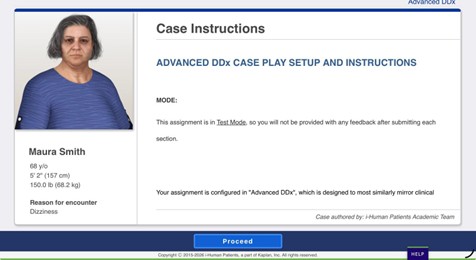
68 y/o
5′ 2″ (157 cm)
150.0 lb (68.2 kg)
Reason for encounter
Dizziness
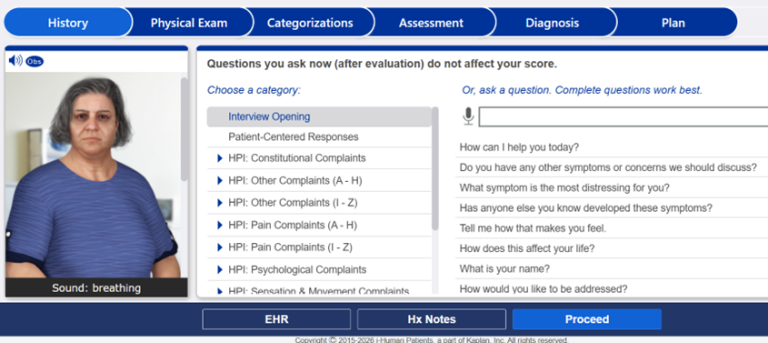
Maura Smith iHuman Dizziness History Questions
- How can I help you today?
- Do you have any other symptoms or concerns we should discuss?
- Do you have any allergies?
- Do you have high blood pressure?
- Do you have nausea and/or vomiting?
- Are you taking any prescription medications?
- When did your dizziness start?
- Does anything make your dizziness better or worse?
- Does your dizziness come and go?
- How long does a single episode of your vertigo last?
- Are you………
NR580 Frances Drake Maura Smith iHuman Dizziness ihuman physical exams
- Weight
- Height
- cognitive status
- SpO2
- temperature
- blood pressure
- pulse
- respiration
- temperature
- auscultate heart
- auscultate lungs
- assess …….
iHuman Maura Smith Dizziness: History Questions, Physical Examination, Differential Diagnosis, and Management Plan
The iHuman Maura Smith dizziness case is a valuable learning experience for nurse practitioner students developing advanced clinical reasoning skills in the evaluation of vertigo and balance disorders. This 68 year old patient presents with recurrent dizziness, creating an opportunity for learners to practice focused assessment, differential diagnosis development, and evidence-based treatment planning. Students in advanced practice courses frequently search for iHuman answers, history questions, physical examination findings, and a complete management plan to better understand the clinical approach to dizziness in older adults.
For a complete breakdown of the case, visit iHuman Maura Smith 68 Year Old Dizziness Case Study. Additional iHuman resources for advanced nursing students can also be found at iHuman Tutor.
Patient Presentation
Maura Smith is a 68-year-old female presenting with episodic dizziness that has persisted for approximately two weeks. Her symptoms occur suddenly and are commonly triggered by changes in head position. The episodes are brief but recurrent and are associated with nausea and fatigue. The patient also reports difficulty sleeping after nighttime dizziness episodes.
This case is particularly important because dizziness in older adults can represent either a benign peripheral vestibular disorder or a serious neurologic emergency. The challenge for the advanced practice nursing student is identifying key findings that distinguish central from peripheral causes of vertigo.
Important History Questions
One of the most educational aspects of this iHuman dizziness case is the process of obtaining a focused patient history. Students must ask targeted questions to clarify symptom characteristics and identify potential red flags.
Key history questions include:
When did the dizziness begin?
How long do the episodes last?
Are symptoms triggered by movement or position changes?
Is the dizziness associated with nausea or vomiting?
Any hearing loss, tinnitus, or ear fullness?
Any headaches, weakness, speech changes, or numbness?
- Current medications or recent illness?
The patient denies auditory symptoms and neurological deficits, which significantly influences the diagnostic process. Understanding the relevance of both positive and negative findings is critical in advanced practice assessment.
Physical Examination Findings
The physical examination is central to this case. Learners are expected to perform a focused neurologic and vestibular assessment while identifying findings suggestive of peripheral vertigo.
Important examination components include:
Cranial nerve assessment
Gait and balance testing
Cerebellar examination
Eye movement evaluation
Equally important is the absence of focal neurologic deficits, which lowers suspicion for central nervous system pathology such as stroke or cerebellar disease.
This case reinforces the importance of integrating physical findings with history data to guide diagnostic reasoning.
Differential Diagnosis
An essential component of the iHuman Maura Smith case is constructing an appropriate differential diagnosis. Dizziness is a broad symptom with multiple potential etiologies, making systematic clinical reasoning essential.
Possible differential diagnoses include:
Peripheral vestibular disorders
Vestibular neuritis
Ménière’s disease
Orthostatic hypotension
Medication-related dizziness
Cerebellar stroke
Cardiac causes of dizziness
Anxiety-related dizziness
The absence of hearing loss, continuous vertigo, syncope, and neurological deficits helps narrow the diagnostic possibilities. This process teaches students how to prioritize conditions based on symptom patterns and examination findings.
Management Plan
Developing a comprehensive management plan is another key learning objective in this case. Evidence-based care focuses on symptom management, patient safety, and vestibular rehabilitation strategies.
The treatment approach may include:
Canalith repositioning maneuvers
Short-term vestibular suppressants if symptoms are severe
Fall prevention education
Position-change precautions
Follow-up evaluation
Referral if symptoms persist or worsen
Patient education is critical, especially in older adults at increased risk for falls and injury related to dizziness. Learners must also identify red flag symptoms requiring urgent medical evaluation, including new neurologic deficits, persistent severe headache, syncope, or worsening imbalance.
Educational Value of the Case
The iHuman Maura Smith dizziness case is highly relevant for nurse practitioner students because dizziness is a common complaint encountered in both primary care and emergency settings. The case strengthens skills in focused interviewing, vestibular assessment, clinical judgment, and evidence-based management planning.
Students searching for iHuman answers, physical examination findings, history questions, differential diagnosis, and management plan guidance often use this case to improve understanding of vestibular disorders and diagnostic reasoning in older adults.
For additional study resources and NP-focused case assistance, visit iHuman Tutor Home Page.