



28 March 2026
No Comments
iHuman assignment
NR6560 i-Human Case Week #5
15 y/o
5′ 8″ (173 cm)
148.0 lb (67.3 kg)
Reason for encounter
Abdominal pain
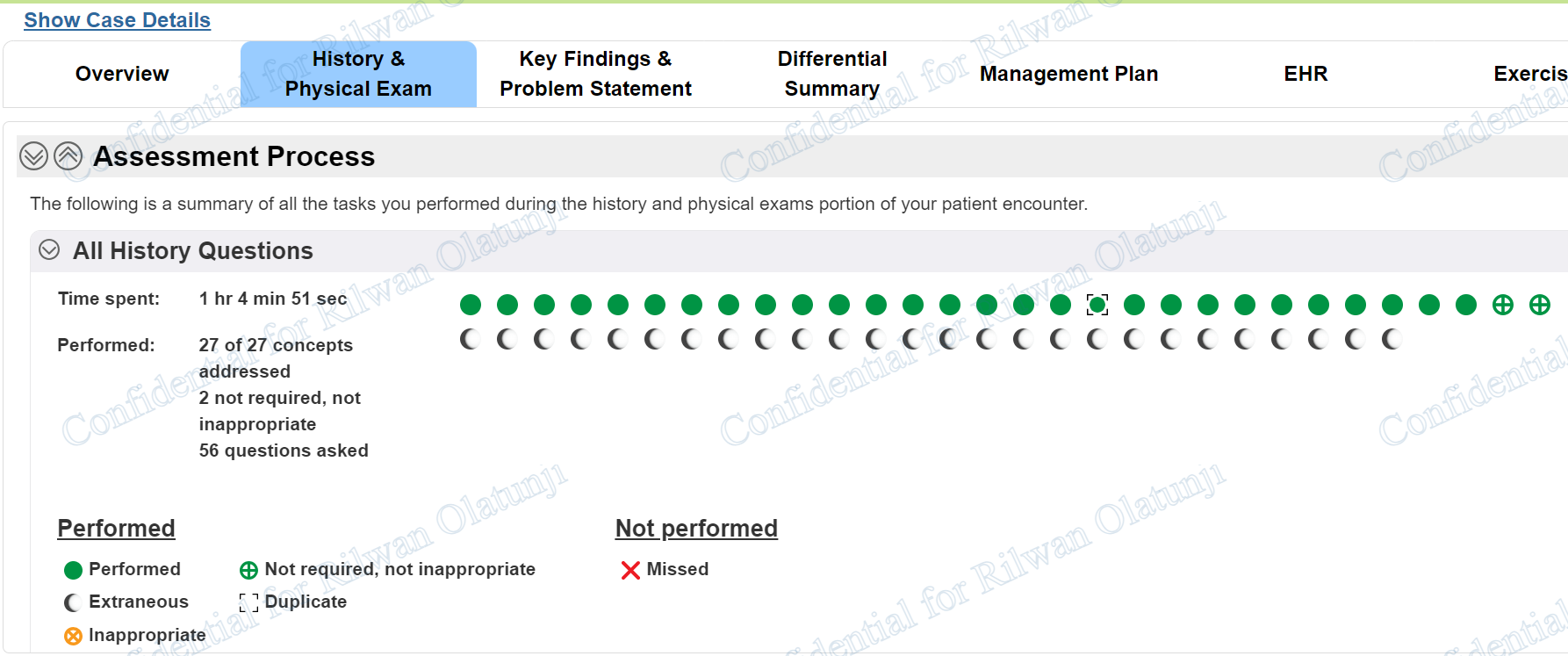
Abdominal pain 15 year old ihuman history questions
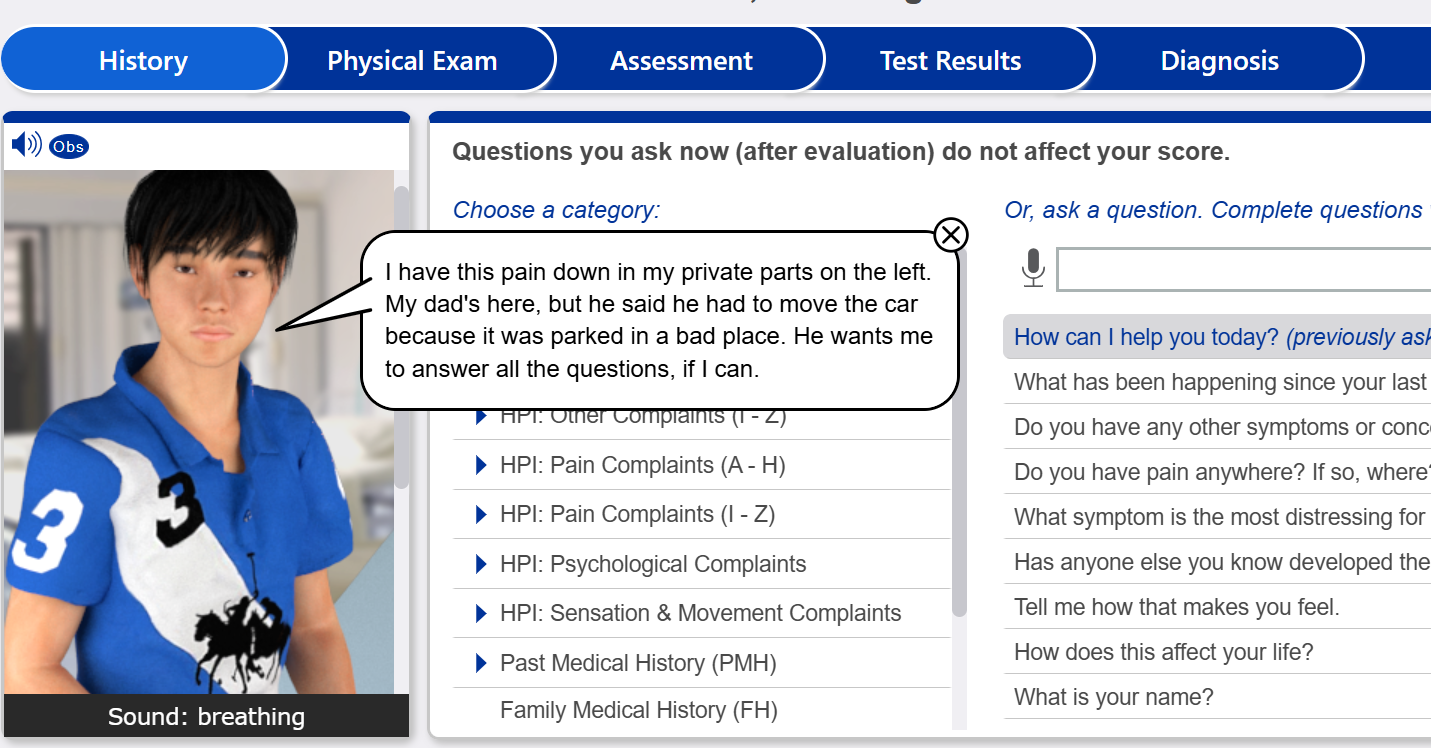
- How can I help you today? (patient)
- Do you have any other symptoms or concerns we should discuss? (patient)
- Do you have any allergies? (patient)
- Does he have any allergies? (Father)
- Do you have any pain in your abdomen? (patient)
- When did your abdominal pain start? (patient)
- What are the events surrounding the start of your abdominal pain? (patient)
- Does anything make the pain in your abdomen better or worse? (patient)
- Are you…..
Abdominal pain 15 year old ihuman physical exams required
- Weight
- Height
- cognitive status
- SpO2
- temperature
- blood pressure
- pulse
- respiration
- temperature
- auscultate heart
- auscultate lungs
- assess …….
Physical Exam — Key Maneuvers to Perform
- Vital signs (temp, HR, BP, RR)
- Abdominal exam:
- McBurney’s point tenderness (2/3 from umbilicus to ASIS)
- Rovsing’s sign (LLQ pressure → RLQ pain = peritoneal irritation)
- Psoas sign (RLQ pain with right hip extension — suggests retrocecal appendix)
- Obturator sign (RLQ pain with internal rotation of flexed right hip — suggests pelvic appendix)
- Rebound tenderness / guarding
- Rectal exam (if pelvic appendicitis suspected)
- Testicular exam (to rule out torsion)
Confirmed Diagnosis: Acute Appendicitis
How This Patient Fit the Classic Picture
Epidemiology: The feedback notes highest incidence in adolescents and children — this patient is a 15-year-old male, squarely in the peak demographic.
Symptom Progression: The case describes abrupt RLQ pain of 12 hours duration, accompanied by nausea, malaise, diarrhea, fever, and urinary frequency — all consistent with the variable symptom profile described in the feedback.