

27 January 2025
No Comments
iHuman assignment
I-HUMAN PATIENTS CASE STUDY: ASSESSING THE GENITOURINARY AND REPRODUCTIVE SYSTEMS
62 y/o
6′ 1″ (185 cm)
Reason for encounter
I’m peeing all the time
Location
Outpatient clinic with x-ray, ECG, and laboratory capabilities
History Questions
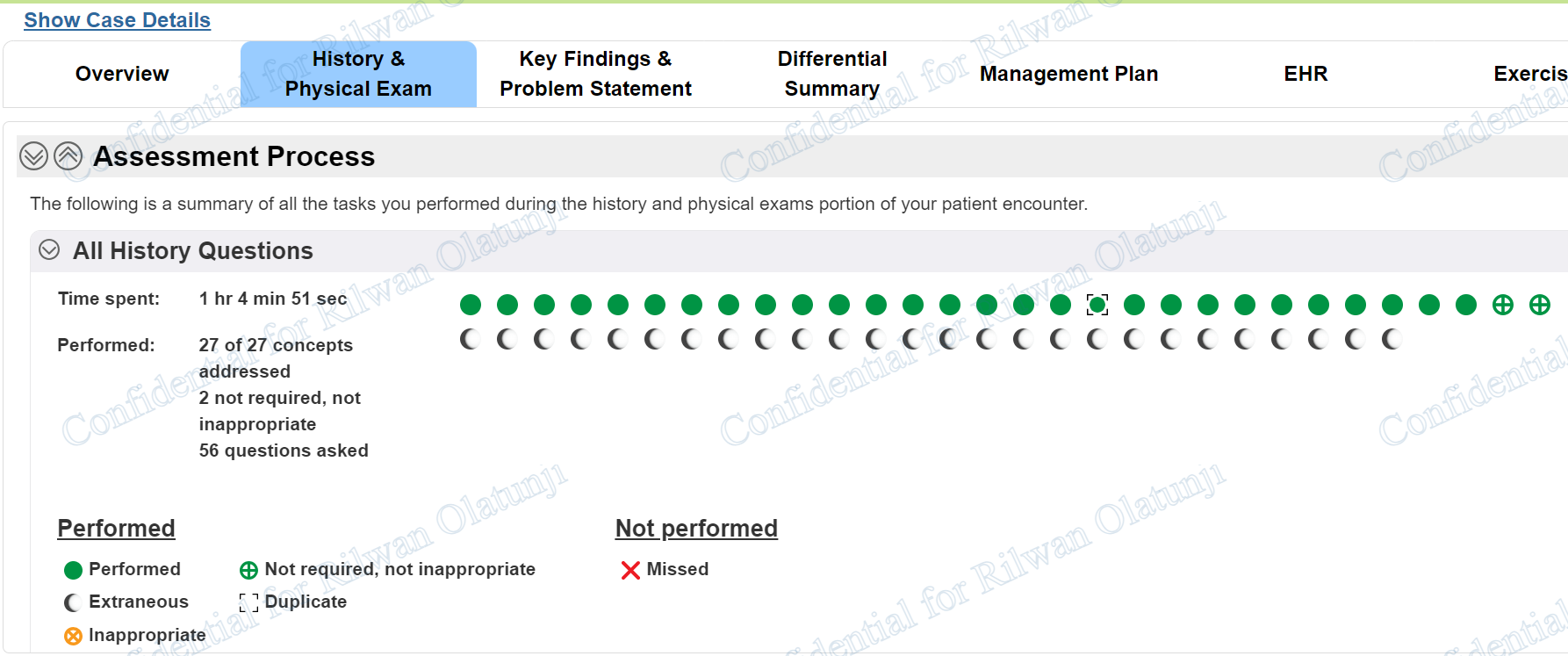
- How can I help you today?
- Do you have any other symptoms or concerns we should discuss?
- Tell me how does that makes you feel?
- How does this affect your life?
- Is there any thing I can do for you right now?
- Have you been having fevers?
- Do you have pain/ discomfort when you urinate?
- Do you leak urine (urine incontinence)?
- Is it hard to start urinating or peeing?
- ……….
Physical Exams Required
- Weight
- Height
- cognitive status
- SpO2
- temperature
- blood pressure
- pulse
- respiration
- …………….
Get all the complete Felipe Garcia case with history questions, physical exam, complete EHR documentation, exercises, case findings, diagnosis, test results, and management plan.
For this i-Human Patients Case Study Assignment, you will examine and work with a patient with a condition of the genitourinary and/or reproductive system.
To prepare:
- By Day 1 of this week, your Instructor will assign an i-Human Patients case for this Assignment. Note:Please see the Course Announcements section of the classroom for your i-Human Patients Assignment.
- Review this week’s Learning Resources on the genitourinary and reproductive systems.
- Access and review this week’s i-Human Patients case study. Based on the provided patient information, think about the health history you would need to collect from the patient.
- Consider what physical exams and diagnostic tests would be most appropriate to gather more information about the patient’s condition.
- Reflect on how the results would be used to make a diagnosis.
- Identify three to five (3–5)possible conditions that may be considered in a differential diagnosis for the patient.
- Consider the patient’s diagnosis. Think about clinical guidelines that might support this diagnosis.
- Develop a treatment plan for the patient that includes health promotion and patient education strategies.